


Artificial intelligence has taken another step from research assistant to scientific collaborator.
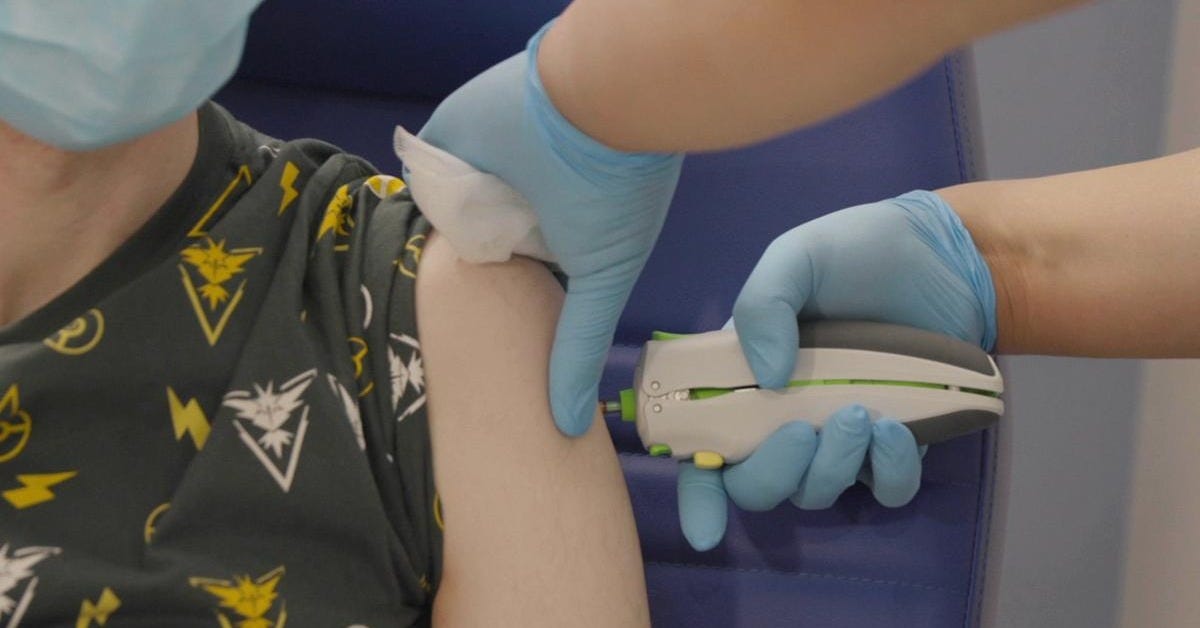
Researchers at the University of Cambridge and biotechnology company DIOSynVax say a vaccine whose key antigen component was designed entirely by AI has now been tested in human volunteers, a development they describe as a world-first milestone in vaccine design.
The vaccine is not aimed at a single coronavirus strain. Instead, researchers used AI to analyze genetic information from multiple coronaviruses and generate what they call a “super-antigen” designed to provide protection across an entire family of viruses. The goal is to create immunity that remains effective even as viruses mutate or new strains emerge.
Scientists say that approach could eventually help address one of the biggest challenges in vaccine development, staying ahead of rapidly evolving pathogens.
Early human testing focused on safety and produced encouraging results, with larger studies planned as researchers continue evaluating effectiveness.
Subscribe free for daily political analysis they won’t broadcast. Join 110K+ readers →
The development also highlights a broader shift occurring across medicine. Researchers increasingly use AI to identify vaccine targets, analyze genetic data, simulate immune responses, and accelerate portions of the discovery process that historically required years of laboratory work. Human testing and regulatory review remain essential parts of development.
The Cambridge team has already indicated that the same AI-driven design system could be used against influenza, Ebola, and other emerging infectious diseases.
If successful in larger trials, the technology could become part of a broader effort to develop vaccines designed not only for known viruses but also for future outbreaks that have not yet emerged.
Subscribe free for daily political analysis they won’t broadcast. Join 110K+ readers →