


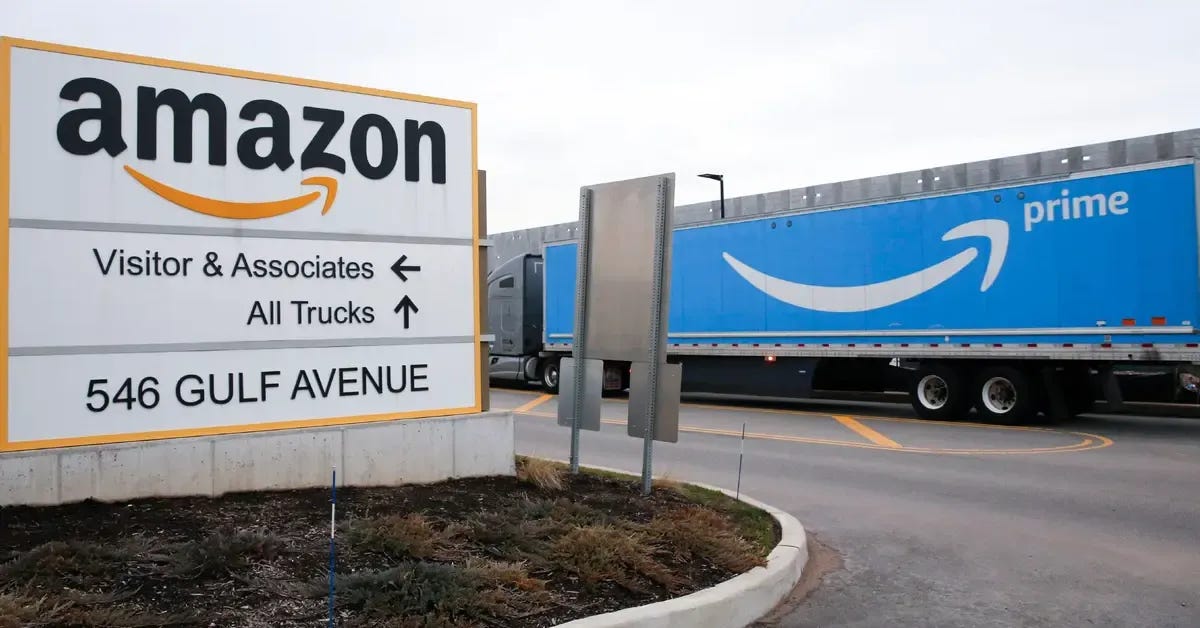
Amazon is opening more of its logistics network to businesses beyond its own marketplace, and the move is already drawing online reaction from people who see a bigger shift underway.
The company announced Amazon Supply Chain Services on May 4, saying businesses of all types and sizes can use its freight, distribution, fulfillment, and parcel shipping capabilities. Amazon says the service can move goods from raw materials to finished products through the same supply chain that supports Amazon.com.
The pitch is simple: businesses get access to a massive logistics system without having to build one themselves.
The reaction online has focused on a different question: whether Amazon is becoming harder for companies to avoid.
In an EDI-focused Reddit discussion, the launch was framed as an “AWS moment for logistics,” with users discussing what it could mean for small and mid-sized businesses entering Amazon’s network. On LinkedIn, logistics and commerce posts described the move as a major expansion because the system is now available to companies that are not simply Amazon sellers.
Subscribe free for daily political analysis they won’t broadcast. Join 110K+ readers →
That framing matters because Amazon’s power is no longer limited to the shopping page. The company is expanding the infrastructure behind how products move, where inventory is stored, and how fast customers expect deliveries to arrive.
Reuters reported that the service moves Amazon more directly into competition with UPS and FedEx, covering transportation by ocean, road, rail, and air.
For businesses, the benefit could be lower friction and faster delivery. For competitors and independent sellers, the risk is deeper dependence on the same company they may already be trying to compete against.
The launch also arrives against a broader antitrust backdrop. The FTC has separately accused Amazon of using monopoly power to overcharge sellers and limit rivals, though those allegations are separate from this specific logistics rollout and remain part of ongoing legal scrutiny.
The practical stakes are plain. Amazon is not just selling products. It is selling access to the system that moves them.
Subscribe free for daily political analysis they won’t broadcast. Join 110K+ readers →