


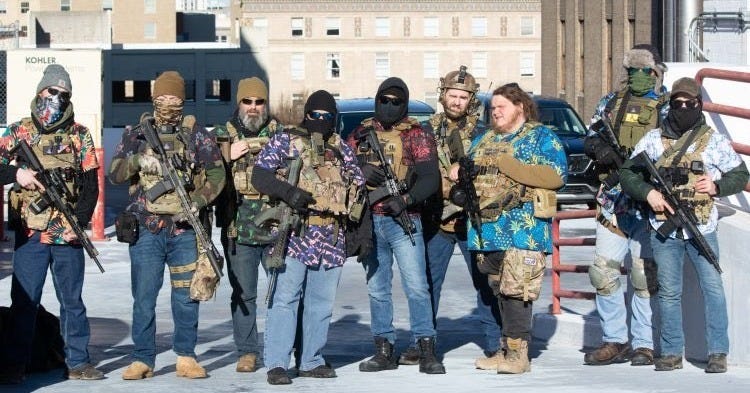
Independent journalist Ford Fischer has published a series of text responses from militia-aligned contacts he gathered at a Richmond Second Amendment rally last Monday, asking them after the fact how they feel about the federal shooting of Alex Pretti in Minneapolis.
Fischer’s thread shows messages from at least two contacts who described the incident as “unjustified”. One wrote that there was “zero difference” between Pretti carrying his firearm at a protest and armed protesters at other demonstrations, and said the First and Second Amendments don’t stop simply because politics differ. He called the administration’s framing of the killing “tyrannical.”
Another text from a contact told Fischer that in their view Pretti was lawfully carrying, filming law enforcement, and helping a woman who had been pushed down — none of which, they said, justified a lethal federal response. They criticized ICE for escalating and stressed that accountability is needed.
Follow The Coffman Chronicle on NewsBreak for daily breaking political coverage.
Pretti, a 37-year-old Minneapolis ICU nurse and lawful gun owner, was shot and killed by federal immigration agents on Jan. 24, 2026. Bystander video reviewed by major outlets shows him with a phone in his hand, not brandishing a weapon, in the moments before being shot — a point federal officials have disputed.
The shooting set off protests in Minneapolis and across U.S. cities, intensified national debate over federal law enforcement tactics, and drew criticism from major gun-rights groups. The National Rifle Association and Gun Owners of America have publicly rejected officials’ suggestions that carrying arms at protests inherently justifies deadly force and called for a full, transparent investigation of Pretti’s death.
Fischer’s sourced militia responses add a grassroots perspective to that national reaction, highlighting distrust of federal narratives and deepening concerns among some armed activists about how constitutional rights are treated during confrontations with federal agents. The next major developments will likely come from ongoing investigations, possible congressional hearings, and legal challenges tied to federal enforcement practices.


