


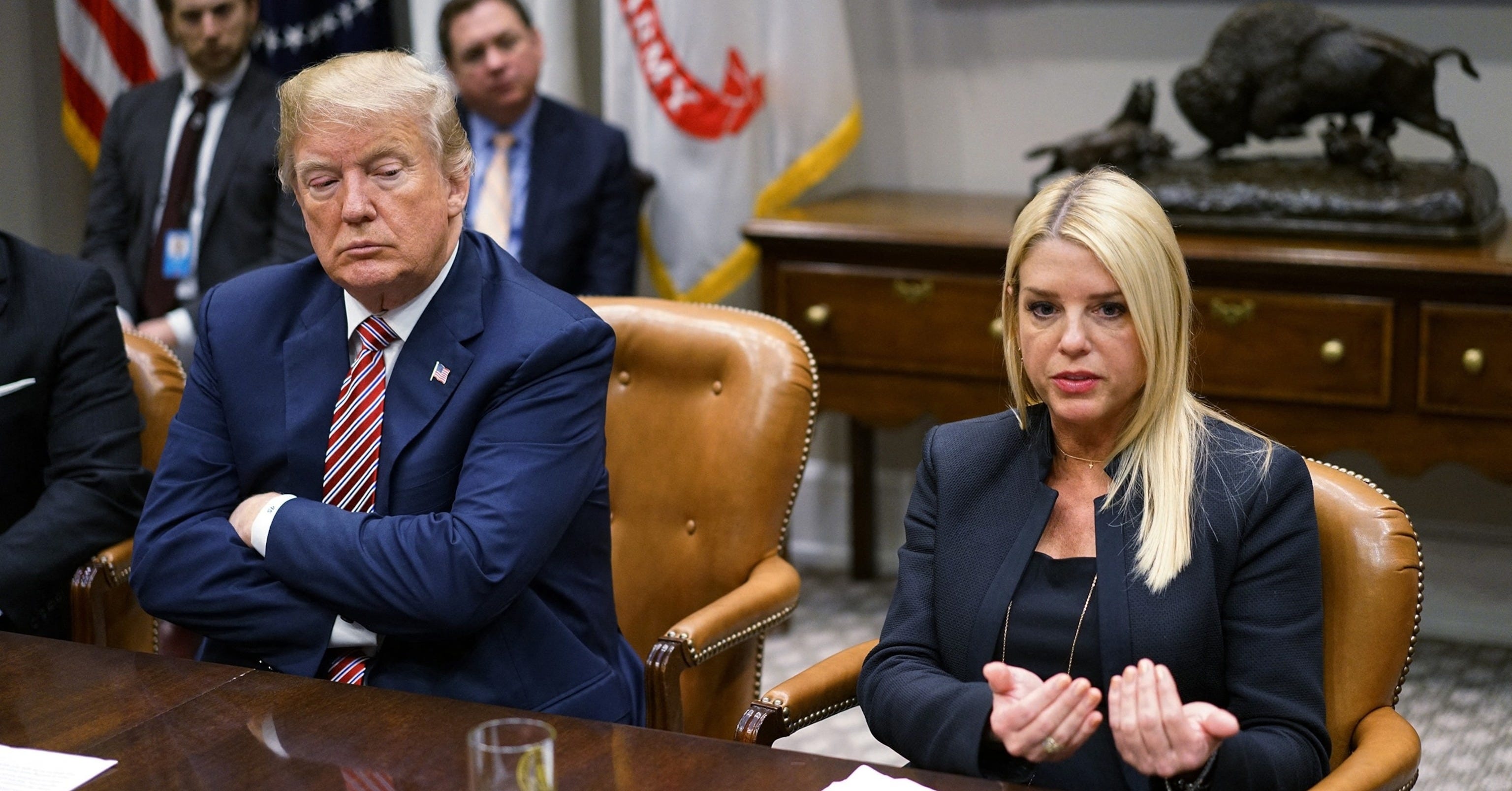
The Justice Department has eliminated a core civil rights enforcement tool, rescinding long-standing “disparate impact” anti-discrimination rules in a shift that could reshape how racial disparities are challenged in federal programs. According to Politico, DOJ officials justified the rollback by saying requirements to consider racial impacts were themselves a form of discrimination.
The change escalates conflict between civil rights advocates and the Trump administration’s directive to narrow federal civil rights enforcement. Critics argue the rollback strips key protections from communities historically subject to systemic discrimination. Supporters contend it prevents overreach and focuses enforcement on intentional bias.
The rules being repealed allowed civil rights enforcement against policies that, while neutral on their face, disproportionately harmed people of color in housing, employment, policing, environmental policy and other areas. Those “disparate impact” standards had been part of DOJ enforcement since the early 1970s.
Follow The Coffman Chronicle on NewsBreak for daily breaking political coverage.
The administration made the change without the standard public comment process, citing legal provisions allowing it to alter rules relating to federal grants and contracts. Opponents say this bypass undermines democratic rulemaking.
“This Department of Justice is eliminating its regulations that for far too long required recipients of federal funding to make decisions based on race,” Attorney General Pam Bondi said in announcing the change.
Civil rights groups warn that narrowing enforcement will make it harder to hold institutions accountable when neutral policies disproportionately harm people of color, removing a decades-old mechanism used in lawsuits and federal investigations.
Federal agencies and civil rights lawyers are now bracing for legal challenges and broader implications for enforcement in areas like housing, education, policing and employment law. Next steps may include lawsuits challenging the rule change itself or demands in Congress for oversight hearings. What happens next will shape how racial inequities are addressed under federal law going forward.
Follow The Coffman Chronicle on NewsBreak for daily breaking political coverage.