


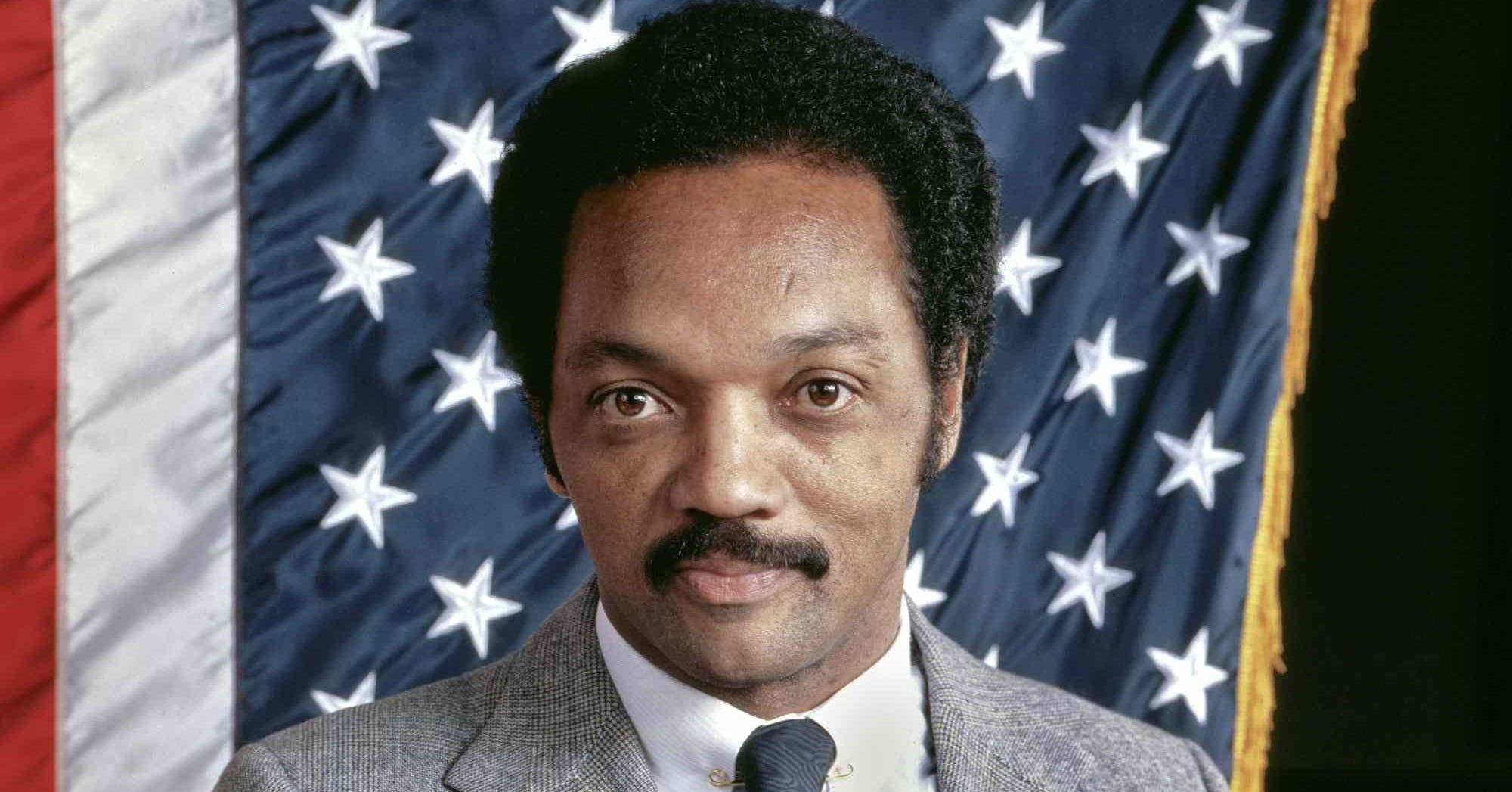
Civil rights pioneer Rev. Jesse Jackson has died at age 84, his family confirmed, ending the life of one of the most enduring voices for justice in modern U.S. history. His passing was announced Tuesday morning and described as peaceful, with family by his side.
Jackson’s death raises renewed reflection on the civil rights movement’s legacy and the leaders who carried its work beyond the 1960s into contemporary struggles over voting rights, economic inequality and racial justice.
According to Reuters and the Jackson family statement, Jackson was a Baptist minister, a close associate of Dr. Martin Luther King Jr. and a nationally prominent advocate for social change. He twice ran for the Democratic presidential nomination in the 1980s, earning historic primary victories and broad national attention.
In recent years, Jackson battled significant health issues, including Parkinson’s disease and a later diagnosis of progressive supranuclear palsy, a rare neurodegenerative condition that limited his public appearances and activities.
“Our father was a servant leader — not only to our family, but to the oppressed, the voiceless, and the overlooked around the world,” his family said in the announcement.
Long before his presidential bids, Jackson was an organizer on the front lines of the civil rights movement, participating in marches for voting rights and economic opportunity alongside King and other leaders, and later founding the Rainbow/PUSH Coalition to advance equity and civil rights nationwide.
Related: The SAVE America Act Isn’t About Fraud. It’s About Power.
Jackson’s activism reshaped American politics by elevating issues of racial and economic justice into national debate and helping build multiracial political coalitions.
Public memorial services and tributes are expected in Chicago, where Jackson spent much of his life and career, but dates and locations have not yet been announced.
As the nation reflects on his life, leaders and communities are already calling for renewed commitment to the causes he championed. What happens next will be shaped by how current movements for justice carry forward his legacy.