


In late August 2025, Louisiana Governor Jeff Landry announced the cancellation of the Mid-Barataria Sediment Diversion, a $3 billion coastal restoration project more than a decade in the making. Designed in the wake of Hurricane Katrina, the project was the largest climate resilience effort in U.S. history, funded not by taxpayers but by BP oil spill settlement money.
Its goal was to restore over 20,000 acres of wetlands west of New Orleans. These wetlands are not just ecosystems. They serve as natural storm barriers, reducing storm surge and protecting human lives.
Over $600 million had already been spent. Permits were in place. Construction was imminent. Then Landry pulled the plug.
His excuse? Pushback from oyster farmers and coastal parishes worried about short-term disruption. But let’s be clear: this wasn’t about shellfish. It was about political posturing. Resilience lost out to red-state optics.
This Labor Day, invest in democracy, not distractions. Subscribe to The Coffman Chronicle today and save 40% on your yearly plan. Stay ahead of the chaos with urgent rundowns, fearless analysis, and independent commentary that refuses to stay silent.
📅 Hurry — this Labor Day sale won’t last long.
A Timeline of Sabotage: How Louisiana Abandoned Its Best Defense
August 2005: Hurricane Katrina devastates New Orleans, killing over 1,800 people and causing $125 billion in damage. Calls for long-term coastal protection intensify.
April 2010: The Deepwater Horizon oil spill dumps over 130 million gallons of crude into the Gulf. BP is eventually ordered to pay billions in environmental damages.
2012–2016: The Louisiana Coastal Protection and Restoration Authority (CPRA) identifies the Mid-Barataria Sediment Diversion as a key component of its 50-year Master Plan to restore wetlands and defend the coast.
2020–2022: Environmental reviews and federal approvals progress. The project clears the National Environmental Policy Act (NEPA) process and gains public support, including from the U.S. Army Corps of Engineers.
August 10, 2023: Construction begins. The $3 billion plan, funded by BP settlement money through the RESTORE Act, becomes the largest ecosystem restoration effort in U.S. history.
January 2024: Jeff Landry takes office as Governor of Louisiana after campaigning against “federal environmental overreach” and promising to defend traditional industries like fishing and oil.
April 2025: Landry pauses the project, citing cost increases and complaints from oyster farmers. The U.S. Army Corps suspends the project’s Clean Water Act permit.
July 17, 2025: The Louisiana Trustee Implementation Group formally cancels the project. Over $618 million has already been spent, which is effectively wasted. No replacement plan has been announced.
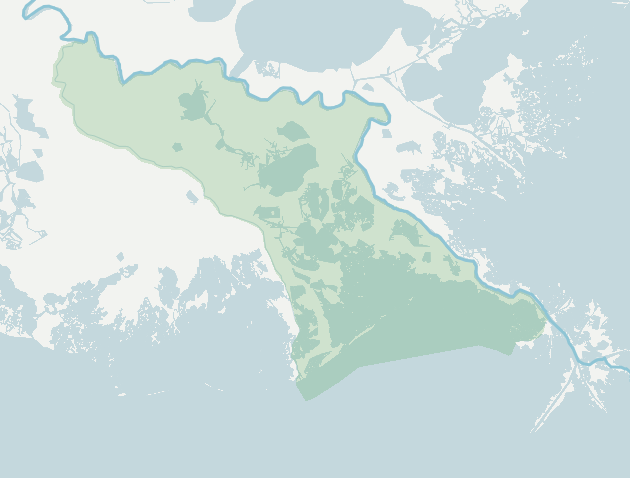
Source: NOAA, POLITICO's E&E News reportingClaudine Hellmuth/POLITICO
What the Timeline Reveals
This wasn’t a rushed decision. It was a long, deliberate process of dismantling one of the most promising, well-funded, science-backed efforts to defend a climate-vulnerable region.
Landry didn’t just kill a project. He canceled 20 years of hard-earned progress. And he did it not for fiscal reasons, but for political optics.
The Midwest Power Line That Almost Was
The Louisiana cancellation wasn't an outlier. It was part of a trend.
Just weeks earlier, in July, the Trump administration killed a $4.9 billion federal loan guarantee for the Grain Belt Express, an 800-mile high-voltage power line designed to deliver wind energy from Kansas to eastern markets.
Backed by private developer Invenergy and years of bipartisan planning, the project had finally cleared regulatory hurdles. But opposition from Missouri Republicans, including Senator Josh Hawley, had been building for years. They claimed it was an overreach, an eminent domain threat—even as their state faced power reliability challenges.
Now the project is stalled. The Midwest loses out on clean power. And the fossil-fueled status quo remains untouched.
See our recent reporting on the regime’s attacks on wind energy here:


Wind Energy Erased in the Gulf
In August, Trump’s Interior Department revoked over 3.5 million acres of federally designated offshore wind zones in the Gulf of Mexico, just off the coasts of Louisiana and Texas.
These waters had been surveyed, mapped, and set aside for future development. No turbines had yet risen, but the groundwork was ready.
Now? Gone. Scrubbed from the national energy plan in the name of “efficiency.” Another lifeline was cut before it could reach the water.
Climate Nihilism: Beyond Denial
This isn’t just climate denial anymore. This is climate nihilism.
A political strategy not based on disbelief but on indifference, on surrender, and on the cynical calculation that doing nothing—or destroying what others are building—is more politically useful than saving lives or futures.
These red-state leaders know the science. They know the risk. They’re betting that the consequences won’t come fast enough to matter in their next election.
They’ll Still Ask for Help
Make no mistake, when the next hurricane hits Louisiana, when Missouri's grid collapses, when Texas floods again, these same leaders will demand FEMA, demand federal aid, demand everything they’ve spent years undermining.
They’ll cry betrayal. They’ll blame Washington. They’ll posture on camera while their constituents suffer.
It’s a cycle we’ve seen again and again:
Reject the solution. Wait for disaster. Blame the system.
And FEMA is under it’s own attack:

Call It What It Is
This isn’t fiscal conservatism. This isn’t localism. This isn’t states’ rights.
It’s climate nihilism: a political doctrine built on the belief that the future is someone else’s problem, and if you sabotage it now, you can still run unopposed while the water rises.
These stories aren’t isolated setbacks. They form a coordinated pattern of climate nihilism: knowing the risks, ignoring the science, and dismantling preparedness in favor of political signaling. Together, they reveal a chilling trend: red-state leadership systematically cancelling the infrastructure that communities most vulnerable to natural disasters desperately need.
What We’re Really Losing
The saddest part? These weren’t unproven plans. These were serious, vetted, bipartisan projects, many of which were already paid for and launched, projects that could have created jobs, stabilized communities, and saved lives.
They weren’t killed because they wouldn’t work. They were killed because they might.
And in killing them, these leaders didn’t just abandon science. They abandoned their people.
We’re not losing the climate fight because we lack money, science, or innovation. We’re losing because the people in charge of the most vulnerable places have decided they’d rather cancel the future than risk sharing credit for saving it.
And they expect the rest of us to pick up the pieces.
Stay Informed. Stay Loud.
Subscribe to The Coffman Chronicle for no-BS political analysis, action guides, and daily truth bombs you won’t get from corporate media.
Sources:
“Katrina inspired a $3B wetlands rebuilding project. Louisiana just killed it.” — Politico
“Louisiana cancels $3 billion coastal restoration project funded by oil spill settlement” — Associated Press
“What scrapping a $3 billion coastal project means for Louisiana's future” — The Washington Post
“Louisiana Moves to Terminate Mid-Barataria Sediment Diversion Project” — NOAA / Louisiana Restoration Area
“U.S. terminates financial aid for big Midwest power transmission project” — Reuters
“Trump switches off power line project financing amid AI scramble for new energy” — Politico
“Energy Department Terminates Taxpayer-Funded Financial Assistance for Grain Belt Express” — U.S. Department of Energy (DOE)
“Trump administration cancels plans to develop new offshore wind projects” — Associated Press
“Trump’s moves to dismantle the US wind and solar energy industries” — Reuters
“By rescinding WEAs, BOEM is ending the federal practice of designating large areas… over 3.5 million acres” — BOEM (Interior Department)

Republicans seem like maas killers. They kill innocent people, then kill themselves.
Do they really believe that ignoring the problems will make them disappear?