


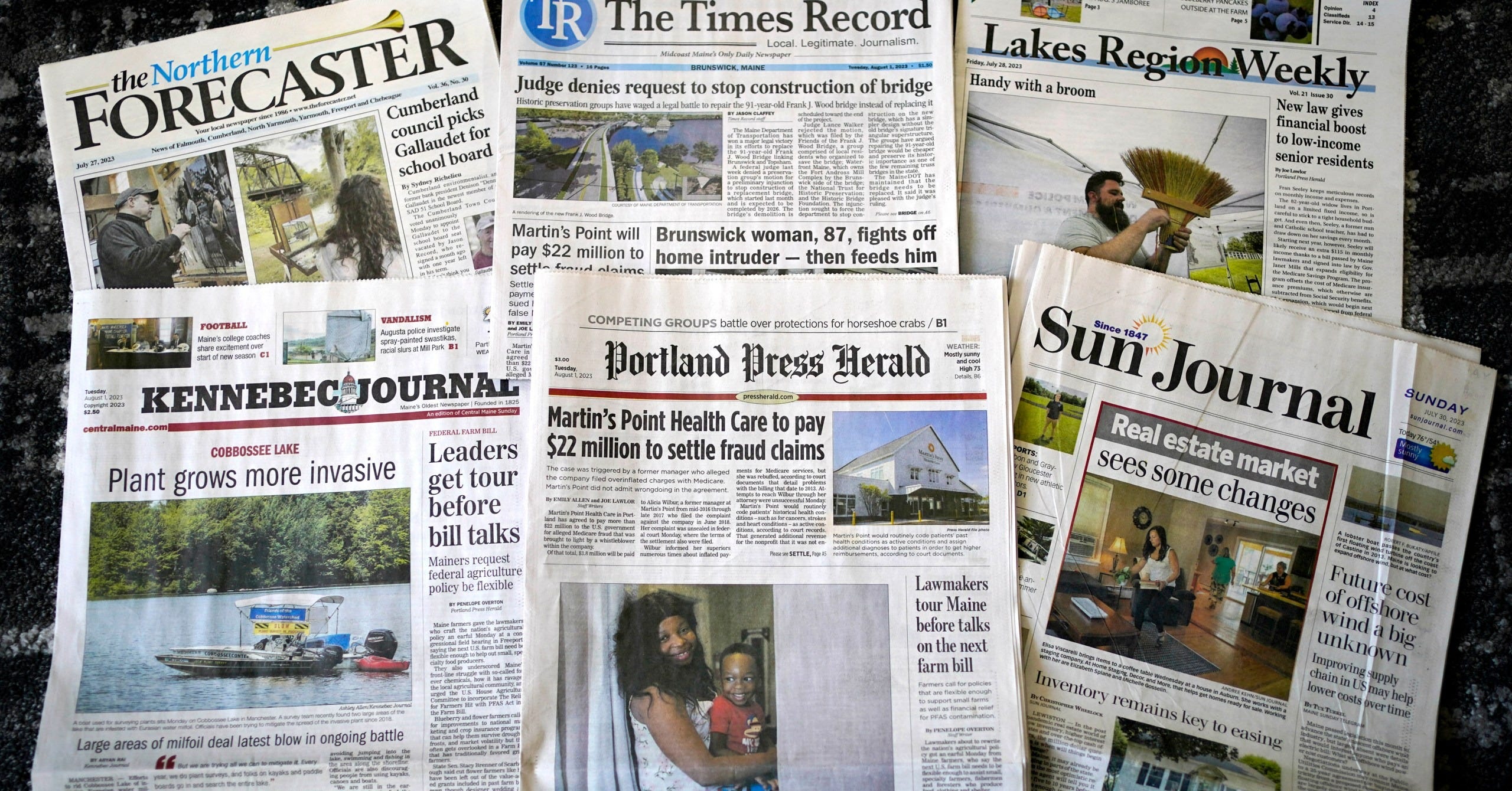
The decline of local news across the United States is emerging as a growing factor in election misinformation, as fewer journalists remain to cover local races, verify claims, and provide voters with reliable information.
The trend comes as a new global report from Reporters Without Borders (RSF) finds press freedom at its lowest level in 25 years, citing political pressure and economic instability as major forces reshaping the media landscape. While the report focuses on global conditions, those same economic pressures have contributed to the steady loss of local news outlets in the U.S.
When local journalism weakens, gaps in coverage begin to form. Municipal elections, school board decisions, and regional policy issues often receive little to no reporting, leaving voters without direct access to verified information. In those gaps, misinformation and unverified claims can spread more easily, particularly on social media platforms where content is not always subject to editorial standards.
Subscribe free for daily political analysis they won’t broadcast. Join 110K+ readers →
Local reporters traditionally play a key role in fact-checking candidates, attending public meetings, and holding officials accountable. Without that layer of scrutiny, misleading narratives can go unchallenged, and voters may rely on incomplete or inaccurate information when making decisions.
The issue is not just about access to news, but about the structure of the information system itself. As local outlets close or consolidate, communities can become “news deserts,” where credible reporting is limited or absent altogether.
For U.S. elections, the implications are significant. A weaker local press environment can reduce transparency, increase misinformation risks, and ultimately affect how voters understand the issues and candidates on their ballots.
Subscribe free for daily political analysis they won’t broadcast. Join 110K+ readers →