


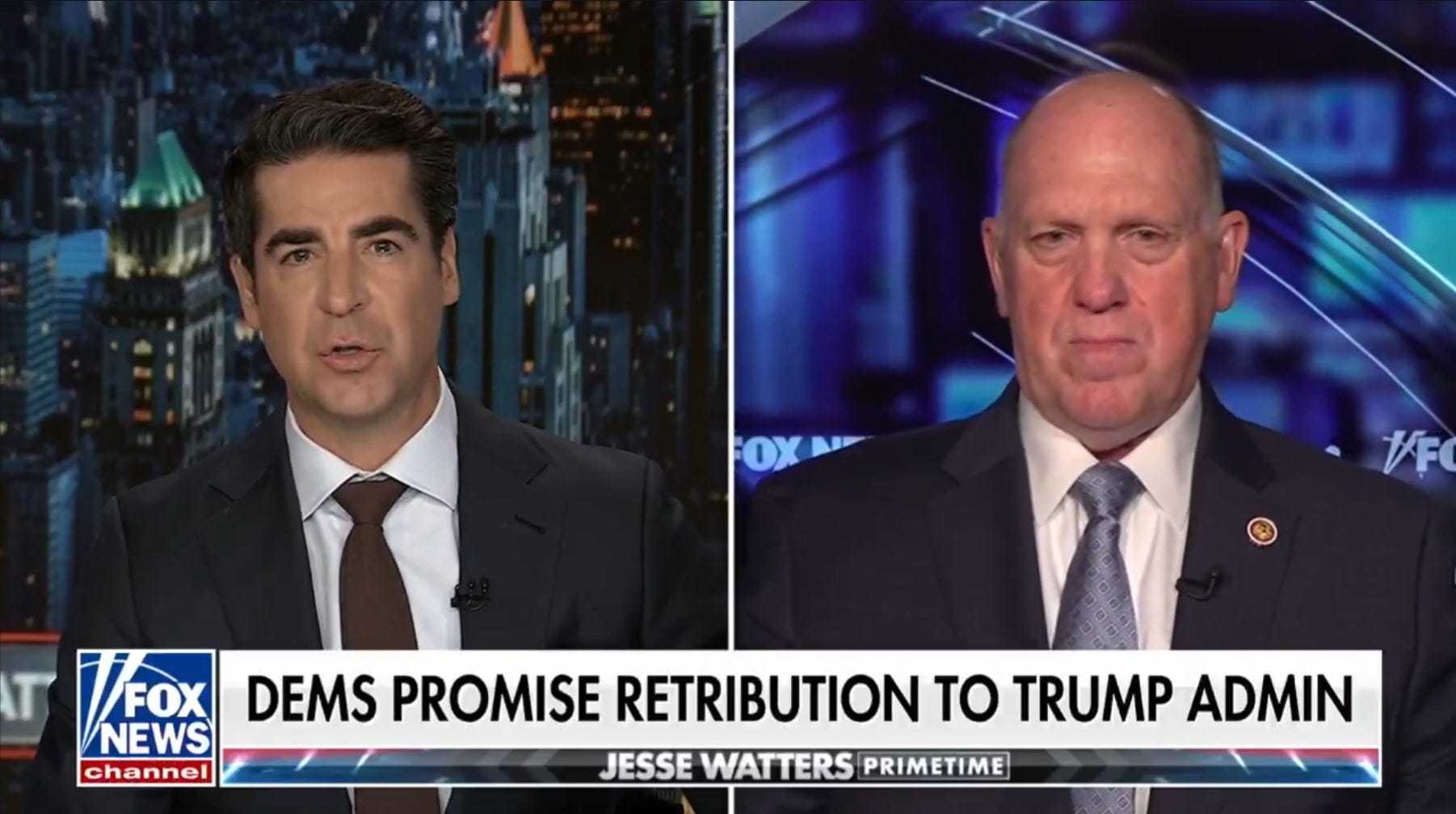
Border czar Tom Homan delivered one of his most confrontational public comments yet this week, telling Democrats to “come get some” when asked whether he fears being prosecuted over the Trump administration’s aggressive immigration crackdown.
Follow The Coffman Chronicle on NewsBreak for daily breaking political coverage.
The remarks came during an interview on Jesse Watters Primetime, after Watters pressed Homan on whether he’s worried that political opponents could target him for his role in enforcing Trump’s expanded deportation and detention policies.
Homan dismissed the idea outright.
“They already said they’re going to — so come get some,” he said, adding that he views the threat as political posturing rather than a serious legal concern.
The exchange occurred as the administration faces intense scrutiny following the Washington, D.C. shooting involving an Afghan national, who allegedly opened fire on National Guard members. Conservative media outlets and Trump allies have seized on the case to argue for wider deportations and stricter vetting.
Homan echoed that message, claiming the administration is restoring what he called “the most secure border in the history of this nation.” He argued that tougher policies are necessary to prevent further crimes and blamed previous Democratic leadership for allowing what he called a “border disaster” to unfold.
Democratic lawmakers have not publicly threatened prosecution, but civil-rights groups and several legal scholars have warned that Trump officials could face lawsuits over detention practices, asylum restrictions, and rapid-removal protocols.
Homan brushed off those concerns as well, framing them as political retaliation.
The comments underscore the combative posture of Trump’s immigration team as the administration ramps up enforcement operations nationwide. With deportations increasing and legal challenges expected, Homan’s remarks suggest he intends to take an aggressive stance — both on policy and in response to critics.