


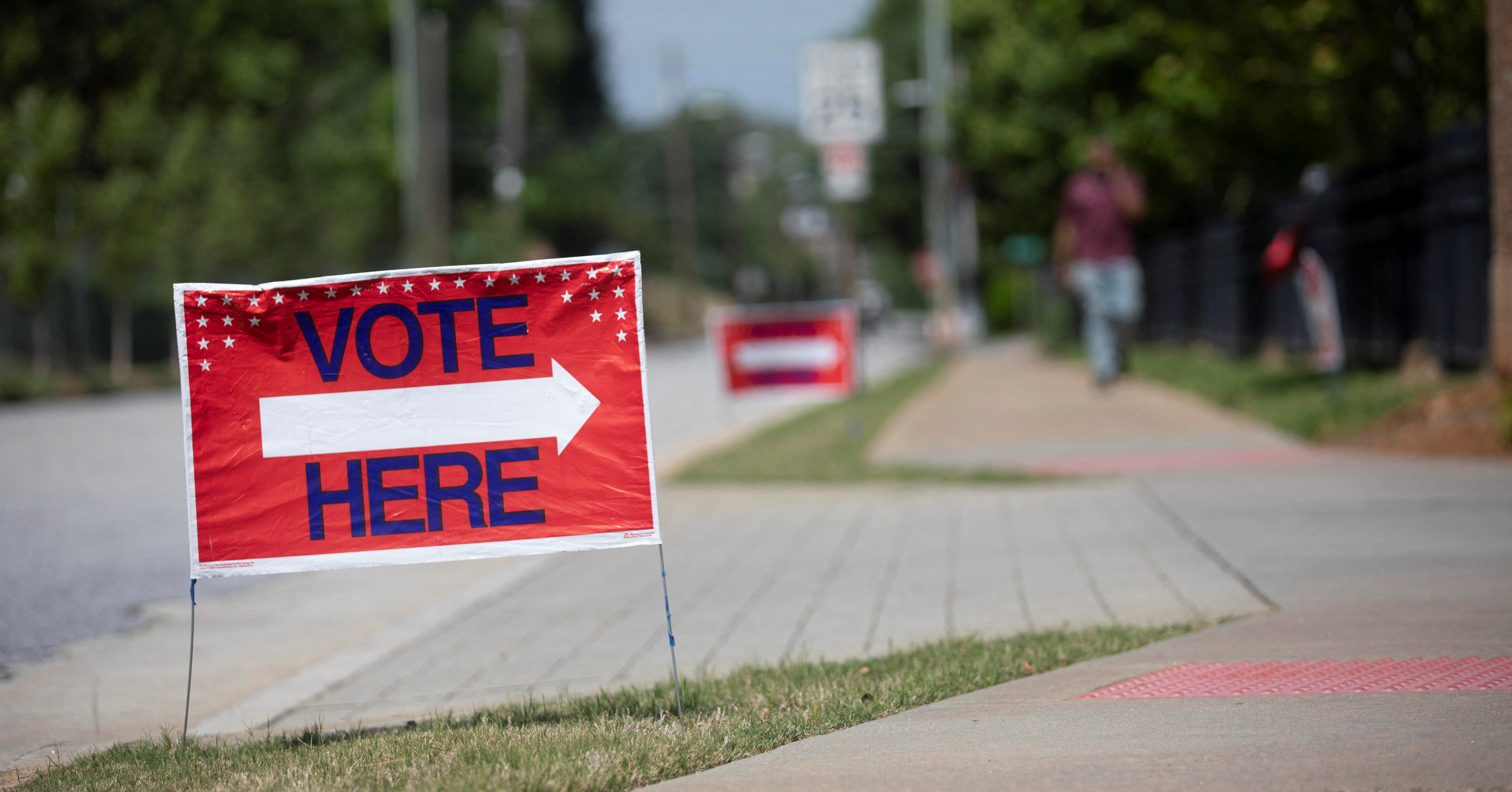
Political advertising spending for the 2026 midterm elections is projected to reach a record $11.6 billion, according to estimates from political ad-tracking firm AdImpact. If the projection holds, it would make the 2026 cycle the most expensive election advertising season in U.S. history, surpassing both the 2024 presidential election cycle and the 2022 midterms.
The spending surge is being driven largely by a small number of competitive Senate contests that could help determine control of Congress. AdImpact identified races in Texas, Ohio, and Maine among the biggest advertising battlegrounds, with campaigns, political parties, and outside groups expected to pour hundreds of millions of dollars into reaching voters in those states.
The projected total reflects how dramatically the cost of modern campaigning has increased over the past decade. While television remains the dominant destination for political advertising dollars, campaigns are increasingly investing in streaming platforms, digital video, social media, search advertising, and sophisticated voter-targeting operations designed to reach specific audiences across multiple devices.
Campaign spending extends far beyond television commercials. Political organizations devote substantial resources to voter data operations, polling, fundraising systems, consultants, legal compliance teams, direct mail campaigns, and field programs intended to identify and mobilize supporters. The expansion of these activities has contributed to rising campaign costs even as the number of truly competitive congressional races has narrowed.
Subscribe free for daily political analysis they won’t broadcast. Join 110K+ readers →
That concentration of spending is one of the most significant trends in modern American politics. Rather than spreading resources evenly across the country, campaigns increasingly focus on a relatively small number of states and districts where election outcomes remain uncertain. As a result, voters in battleground regions are often exposed to a far greater volume of political advertising than those living elsewhere.
The growth of streaming and connected television has also changed how campaigns allocate money. Instead of relying solely on broad television audiences, political advertisers can now target voters using demographic, geographic, and behavioral data. Supporters argue the approach makes campaign spending more efficient, while critics contend it increases the influence of big-money politics and further intensifies the arms race for campaign resources.
Public reaction to the record projection has focused on the escalating cost of elections and the role of major donors, political action committees, and outside groups in shaping campaign messaging. Political strategists, media analysts, and election-watch communities have also highlighted the growing influence of digital advertising platforms as campaigns compete for voter attention in an increasingly fragmented media environment.
With control of Congress likely to hinge on a handful of closely contested races, the projected $11.6 billion advertising total underscores the extraordinary financial stakes surrounding the 2026 midterms. Whether that spending ultimately translates into electoral success remains uncertain, but the scale of investment suggests voters in key battleground states will be at the center of one of the most expensive political campaigns ever conducted in the United States.
Subscribe free for daily political analysis they won’t broadcast. Join 110K+ readers →