


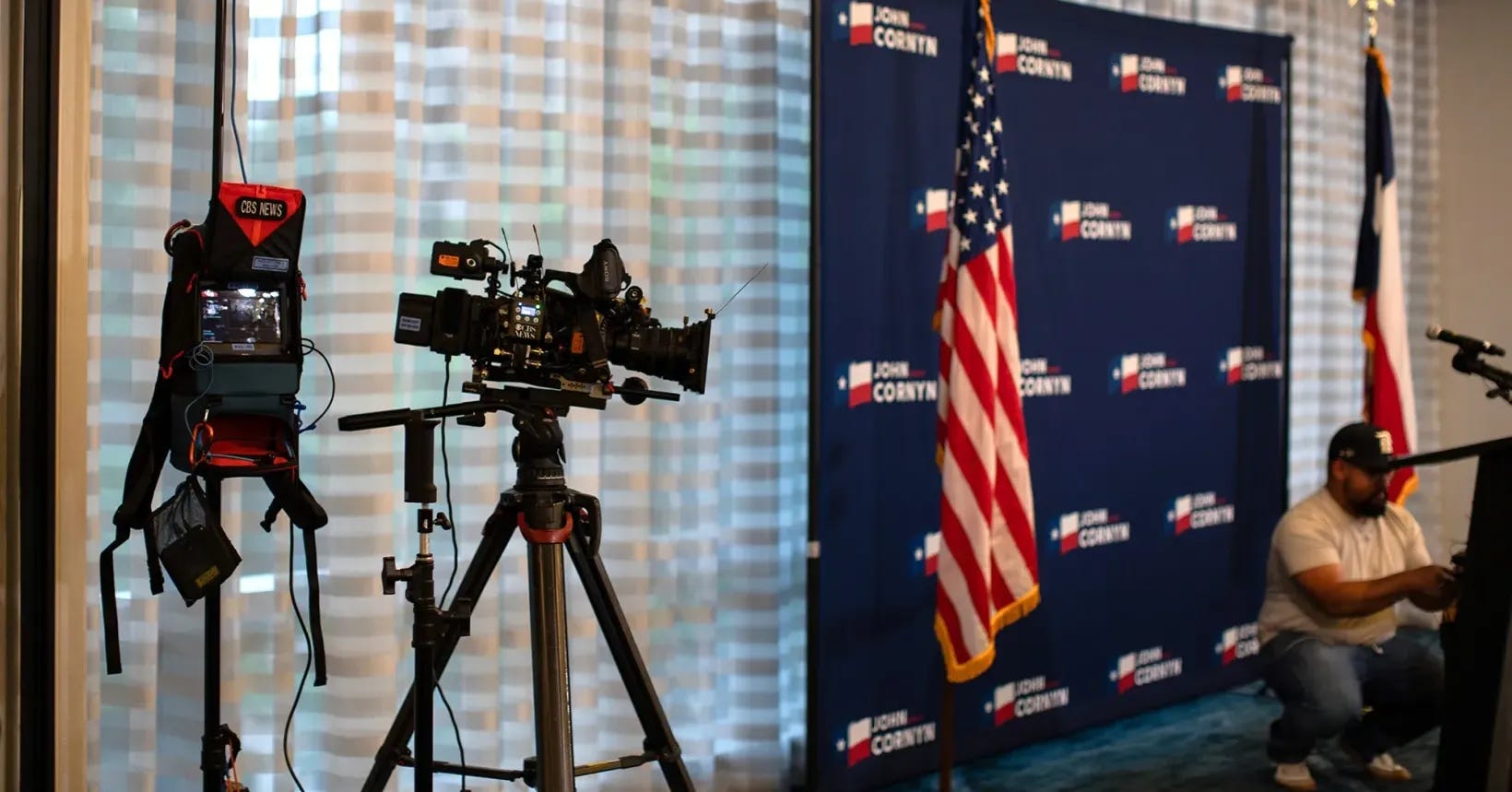
Political advertising spending for the 2026 midterm elections is projected to reach a record $11.6 billion, according to estimates from AdImpact, setting the stage for what could become the most expensive election advertising cycle in American history.
The projection exceeds spending levels seen during the 2024 presidential election cycle and continues a long-term trend of rising campaign costs as political parties, candidates, and outside groups compete for control of Congress.
Much of the increase is concentrated in a handful of competitive Senate races. States including Texas, Ohio, and Maine are expected to attract enormous advertising investments as both parties attempt to secure narrow advantages in races that could determine the balance of power in Washington.
The record projection highlights how modern campaign spending extends far beyond television commercials. Political organizations now invest heavily in digital advertising, streaming platforms, voter data systems, polling operations, fundraising infrastructure, legal compliance, field operations, and consultant networks. As campaigns pursue increasingly targeted outreach strategies, spending has expanded across nearly every part of the political ecosystem.
Broadcast television continues to receive a significant share of election advertising dollars, but streaming and connected television have become increasingly important destinations for campaign spending. Political advertisers can now target voters with greater precision using geographic, demographic, and behavioral data, allowing campaigns to deliver customized messages across multiple platforms.
Subscribe free for daily political analysis they won’t broadcast. Join 110K+ readers →
Public reaction to the projection has centered on the escalating cost of elections and the influence of major donors, Super PACs, and outside political organizations. Election analysts and campaign professionals have also pointed to the growing concentration of spending in a relatively small number of battleground states, where voters often face a constant stream of campaign advertising while large portions of the country see comparatively little activity.
The spending surge also underscores the economic scale of modern elections. Billions of dollars flow not only to media companies but also to polling firms, consultants, data providers, fundraising vendors, and campaign staff, creating a vast political economy that expands alongside each election cycle.
As campaigns prepare for November, the projected $11.6 billion figure reflects both the importance of congressional control and the increasing financial demands of competing in modern American politics.
Subscribe free for daily political analysis they won’t broadcast. Join 110K+ readers →