


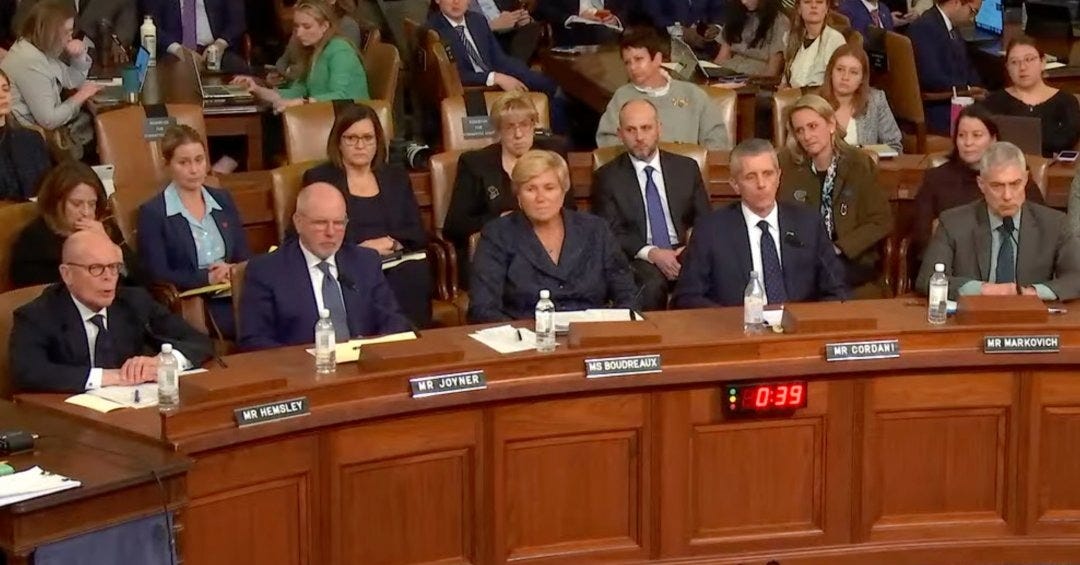
Hospital CEOs faced Congress over a pricing model critics say raises costs for millions of Americans, putting facility fees and hospital consolidation under new scrutiny.
Lawmakers framed the hearing as part of a broader affordability fight as premiums and medical bills continue rising.
According to testimony before the House Ways and Means Committee, much of the conflict centered on “site-neutral” payments, where hospital-owned clinics can receive higher reimbursements than independent practices for similar care.
Critics argue that structure pushes hospitals to acquire physician practices, increases market power and drives higher patient bills.
Executives pushed back, saying hospitals absorb emergency readiness costs, charity care burdens and reimbursement shortfalls that independent clinics often do not.
“There are opportunities to look where things aren’t reasonable,” one hospital executive told lawmakers, signaling limited openness to reform.
Subscribe free for daily political analysis they won’t broadcast. Join 110K+ readers →
Why it matters reaches beyond one hearing.
If Congress moves toward broader site-neutral reforms, it could lower some Medicare spending, reduce outpatient costs and potentially slow premium growth.
It could also disrupt hospital revenue models that many systems say support trauma centers, rural access and unprofitable services.
For patients, this debate affects more than a bill after treatment.
It shapes whether routine scans, colonoscopies and specialist visits cost hundreds more based on where they happen, not what care is delivered.
The larger healthcare cost question is whether lawmakers target hospitals, insurers, or both.
What happens next may center on bipartisan pressure for site-neutral payment legislation, with hospitals now signaling some willingness to negotiate.
The hearing may be only an opening round in a broader fight over who pays for American healthcare.
Download a FREE Pocket Constitution NOW →
