


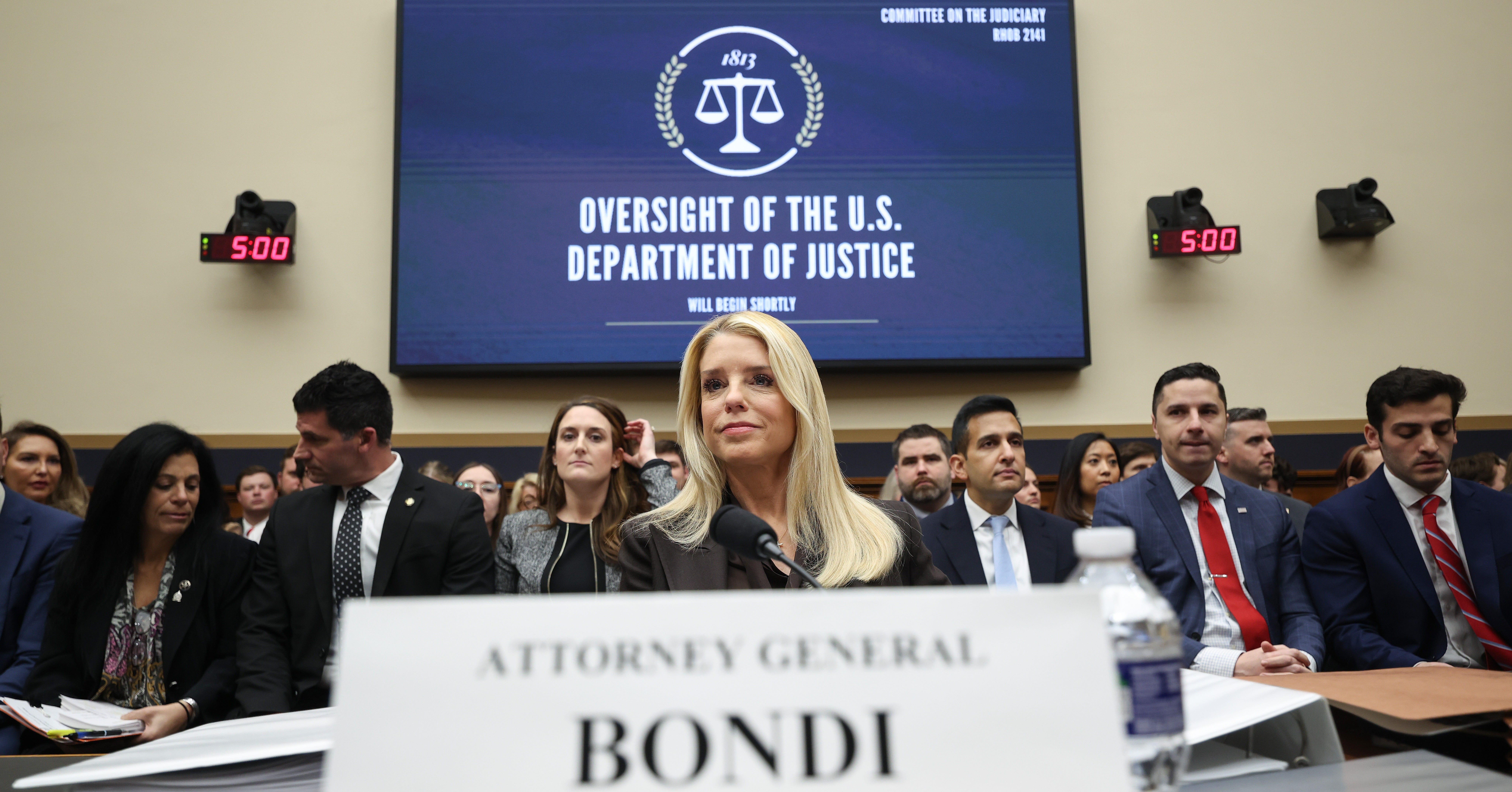
Former Attorney General Pam Bondi defended the Department of Justice’s handling of Jeffrey Epstein-related records during testimony before Congress, arguing that the department acted appropriately despite ongoing criticism over delays, redactions, and disclosure decisions.
Bondi acknowledged that mistakes were made during the release process, including redaction errors, but maintained that the DOJ ultimately released millions of pages of documents and complied with legal disclosure requirements. Members of Congress continue examining why some records remain withheld and whether the review process was conducted consistently across all materials connected to the Epstein investigation.
The hearing marks the latest chapter in a controversy that has evolved into one of the most politically sensitive transparency disputes facing the federal government. Questions surrounding the release of Epstein-related files have fueled congressional oversight efforts for months, with lawmakers seeking greater clarity about what information exists, what has been disclosed, and what records may still remain outside public view.
Critics of the DOJ’s handling of the records argue that important information has yet to be released and that the public deserves a fuller accounting of how disclosure decisions were made. Supporters of the department’s approach have pointed to legal restrictions, privacy protections, and the need to safeguard victims and witnesses when evaluating what information can be made public. Some survivors and advocacy groups have also raised concerns that portions of earlier disclosures exposed sensitive personal information while leaving broader questions unanswered.
Subscribe free for daily political analysis they won’t broadcast. Join 110K+ readers →
The dispute has increasingly shifted beyond Jeffrey Epstein himself. The central issue now revolves around government transparency, public trust, and Congress’ ability to oversee federal agencies handling high-profile investigations. Lawmakers have focused on understanding how disclosure decisions were made, whether any records received special treatment, what materials remain unreleased, and whether victim information was adequately protected throughout the process.
The controversy continues to generate significant public interest because it touches on questions of institutional accountability and confidence in government. For many lawmakers, the issue is no longer solely about historical records connected to Epstein but about whether federal agencies are providing complete and consistent information when responding to congressional inquiries and public demands for transparency.
Congressional investigators are expected to continue reviewing Bondi’s testimony and may pursue additional documents or witness interviews as oversight efforts move forward. Any future release of records, new findings from congressional committees, or additional disclosures from the Department of Justice could bring renewed scrutiny to the government’s handling of the Epstein files and further shape the ongoing debate over transparency and accountability.
Subscribe free for daily political analysis they won’t broadcast. Join 110K+ readers →