


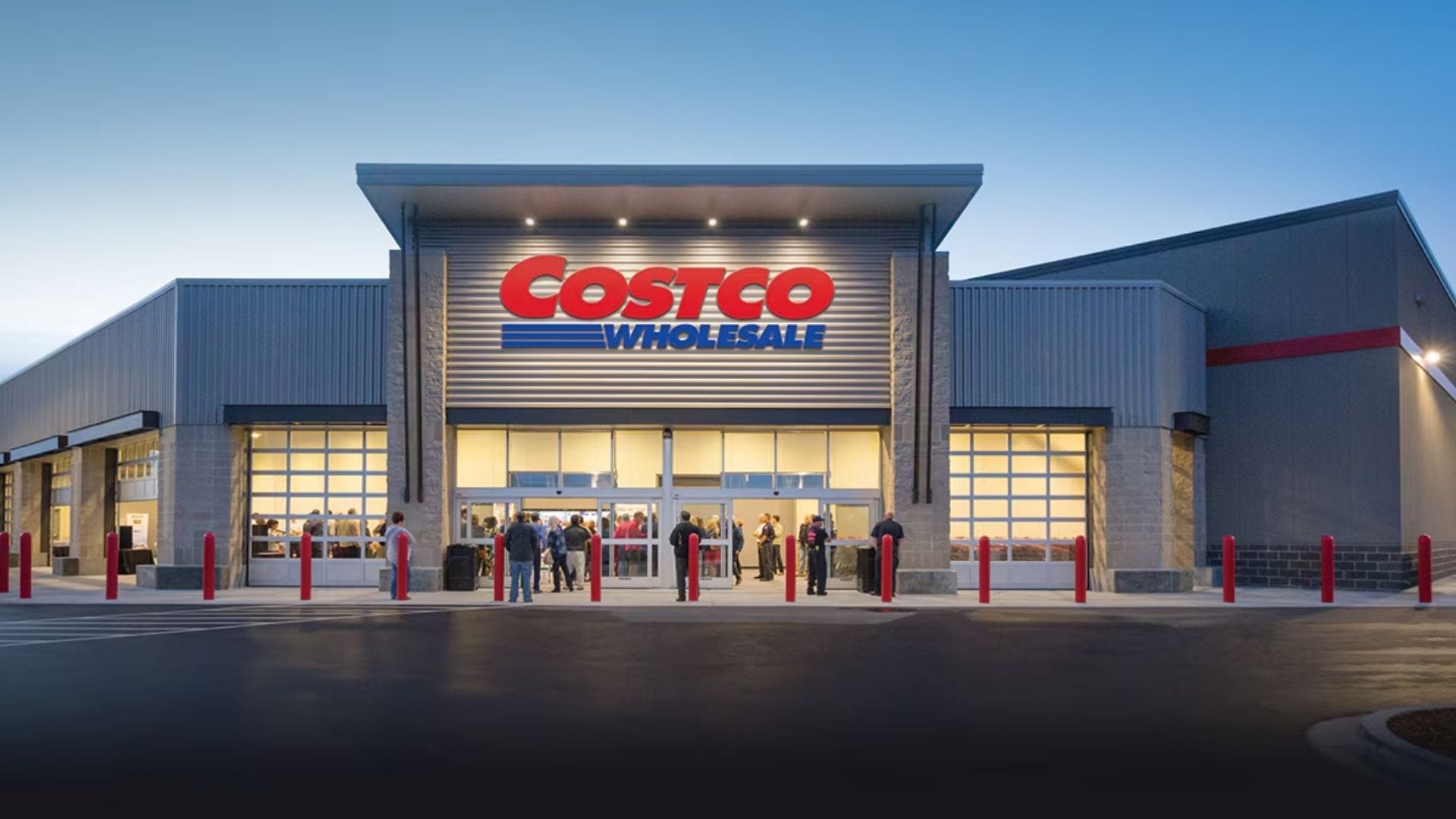
Costco’s surprise lawsuit against the Trump administration’s tariff program isn’t just a fight between a major retailer and Washington. It’s a warning sign for millions of working-class Americans who have been carrying the hidden cost of tariffs all year — and may end up paying even more depending on what the Supreme Court decides in the coming months.
At the center of the case is a technical customs deadline called “liquidation.” Costco says that starting December 15, U.S. Customs will lock in its tariff payments permanently. That means if the Supreme Court later rules Trump’s tariffs illegal, companies may lose the right to get their money back. Dozens of other businesses have filed similar lawsuits, fearing the same thing.
But here’s the part nobody is explaining: this legal fight could directly hit working families on three fronts.
First, tariffs are already a hidden tax on everyday essentials.
Retailers pay tariffs upfront, then pass the cost into prices. Costco absorbed some of those increases on staples like fruit, but higher costs have still trickled into the system. For families already stretched thin, tariffs translated into higher grocery bills without any debate in Congress.
Second, if the Supreme Court strikes down the tariffs, taxpayers could be on the hook.
Analysts say the government could owe anywhere from $90 billion to $1 trillion in refunds. That kind of unexpected bill doesn’t get paid by cutting waste — it gets paid through higher taxes, bigger deficits, or higher borrowing costs. Any of those options hits working-class households hardest.
Third, the uncertainty itself could spike interest rates.
If the government suddenly faces massive refund liability, bond markets could react immediately. That means higher mortgage rates, higher credit card APRs, and higher auto loans — all before any refund checks ever go out.
For Costco, the lawsuit is about protecting its balance sheet. For Washington, it’s about the legality of Trump’s emergency powers. But for working Americans, the stakes are far more personal: higher prices today, possible tax hikes tomorrow, and economic instability that could ripple through jobs, housing, and household budgets.
The Supreme Court’s ruling will come later. But the damage from the tariff war is already showing up where it always does — in the lives of working people who had no say in it.