


Federal judges are demanding answers from U.S. Customs and Border Protection as businesses continue waiting for refunds tied to tariffs that courts have ruled were improperly collected.
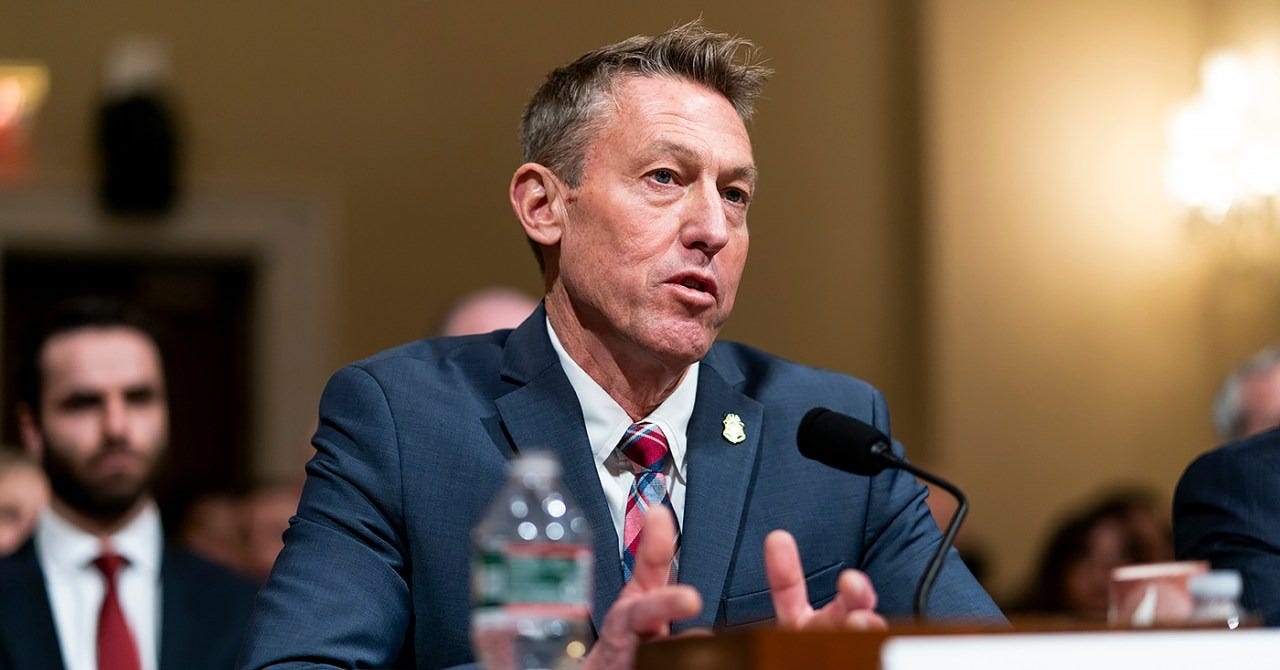
The U.S. Court of International Trade has ordered the commissioner of Customs and Border Protection to appear at a hearing next month and explain how the agency is handling tariff refunds that could ultimately affect hundreds of thousands of importers.
The hearing marks a significant development in a growing legal battle over tariffs imposed under the International Emergency Economic Powers Act. While courts have already ruled that certain duties should be refunded, attention is now shifting to how quickly the government can return the money and whether businesses will face delays in receiving payments.
For many importers, the issue is no longer whether refunds are owed. The focus has become when those refunds will arrive and what companies must do to receive them.
Court filings indicate that the scope of the refund effort could be enormous. Customs officials have previously told the court that hundreds of thousands of importers and tens of millions of import entries may be affected by the process. The agency has argued that handling refunds manually would require significant resources, prompting efforts to develop systems capable of processing claims on a much larger scale.
The court’s decision to require testimony from Customs leadership suggests judges want a clearer explanation of where those efforts stand and whether eligible businesses can expect timely reimbursement.
The case has drawn close attention from importers, customs brokers, trade attorneys, manufacturers, retailers, and logistics companies that have spent years navigating higher tariff costs. Industry discussions have increasingly focused on refund timelines, documentation requirements, and whether interest will be included in payments returned to affected businesses.
Subscribe free for daily political analysis they won’t broadcast. Join 110K+ readers →
Some legal and trade analysts have described the potential refund exposure as one of the largest tariff reimbursement efforts in modern U.S. history. Estimates discussed in court-related reporting have suggested the total amount at issue could reach into the hundreds of billions of dollars, underscoring the financial stakes for both businesses and the federal government.
For companies that paid substantial duties, the outcome could have meaningful financial consequences. Large refunds could improve cash flow, reduce operating pressure, and reshape future decisions involving imports, sourcing, and trade planning.
The upcoming hearing is expected to provide the clearest public explanation yet of how Customs intends to carry out the refund process. Judges are likely to seek details on implementation timelines, agency preparedness, and what steps importers may need to take before funds are returned.
Until then, businesses across a range of industries remain focused on one question. How quickly will the government return money that courts have already determined should be refunded?
Subscribe free for daily political analysis they won’t broadcast. Join 110K+ readers →