


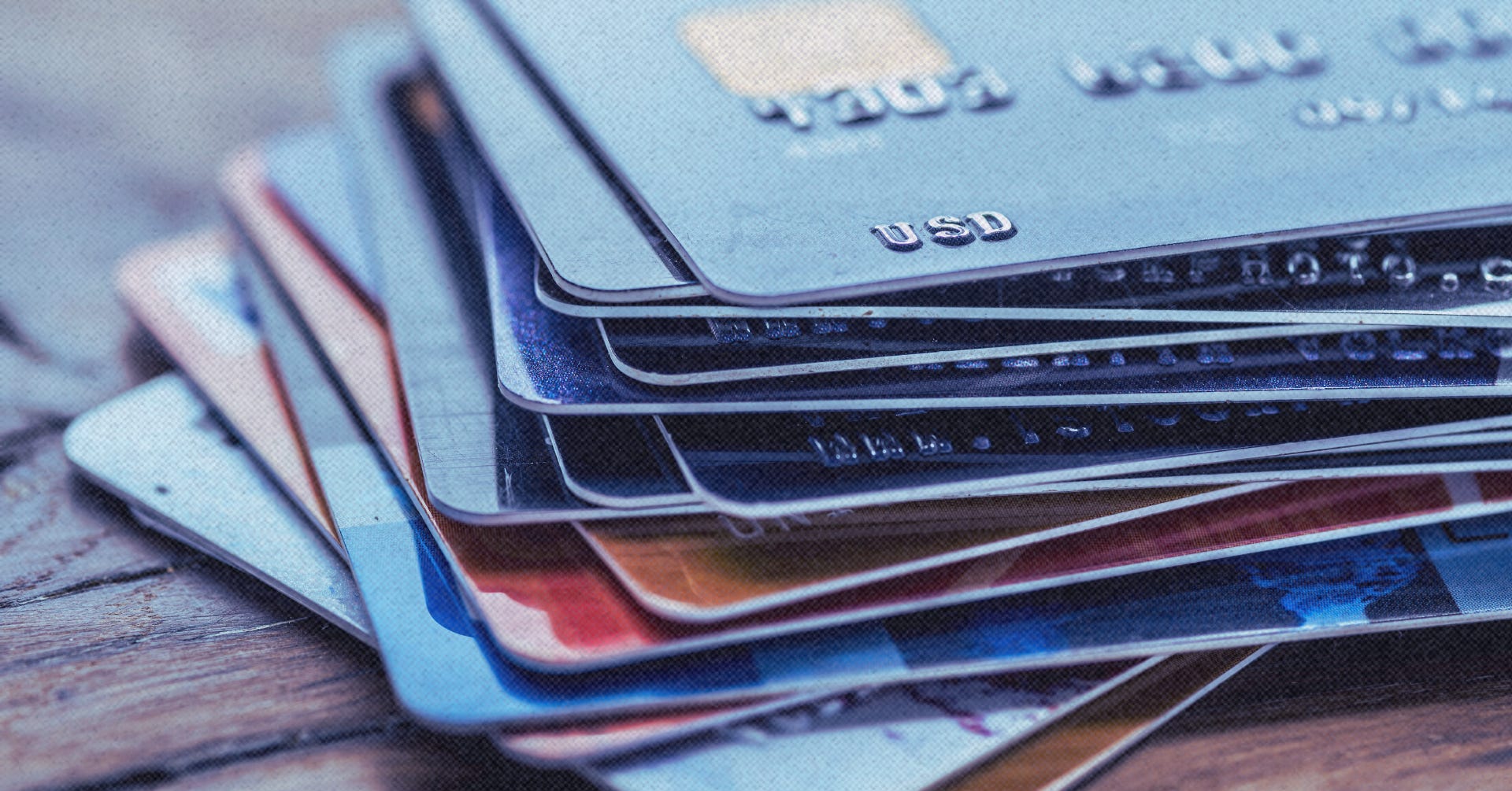
Americans carrying credit card balances are unlikely to see relief anytime soon after the Federal Reserve chose to keep interest rates unchanged, leaving average credit card annual percentage rates near 19.56%, according to Bankrate. Because most credit cards have variable interest rates tied to the prime rate, stable Fed policy generally means card APRs remain elevated.
The impact extends beyond monthly credit card bills. Higher borrowing costs can reduce discretionary spending as households devote more income to interest payments instead of travel, restaurants, or retail purchases. Economists closely watch consumer spending because it accounts for roughly two-thirds of U.S. economic activity.
Subscribe free for daily political analysis they won’t broadcast. Join 110K+ readers →
While higher rates help cool inflation by slowing demand, they also increase financial pressure on borrowers and businesses dependent on consumer spending. Unless inflation eases enough for the Federal Reserve to begin cutting rates, consumers should expect borrowing costs on variable-rate debt to remain relatively high.
Subscribe free for daily political analysis they won’t broadcast. Join 110K+ readers →