


Public libraries have long been a cornerstone of American democracy, offering equal access to information, education, and cultural enrichment. Yet, President Trump's recent revocation of President Biden’s 2022 Executive Order 14084—a directive designed to promote the arts, humanities, and library services—signals a troubling shift in federal priorities. This decision jeopardizes the ability of public libraries to meet the needs of the communities they serve, especially those already vulnerable to systemic inequities. And unfortunately, this isn’t new. Public libraries have faced decades of underfunding and attacks. In addition to his attacks on intellectual freedom, this is a troubling example of his focus on dismantling education and equitable access to information.
While this executive order’s revocation may not generate the headlines of other policy changes, its implications are vast. For millions of Americans, public libraries are far more than buildings filled with books—they are lifelines. They provide resources to low-income families, educational support to students, internet access to rural communities, and safe spaces for marginalized groups. Let’s examine how the executive order disproportionately harms vulnerable communities, exacerbates the wealth and access divide, and leaves millions without the critical services they rely on.
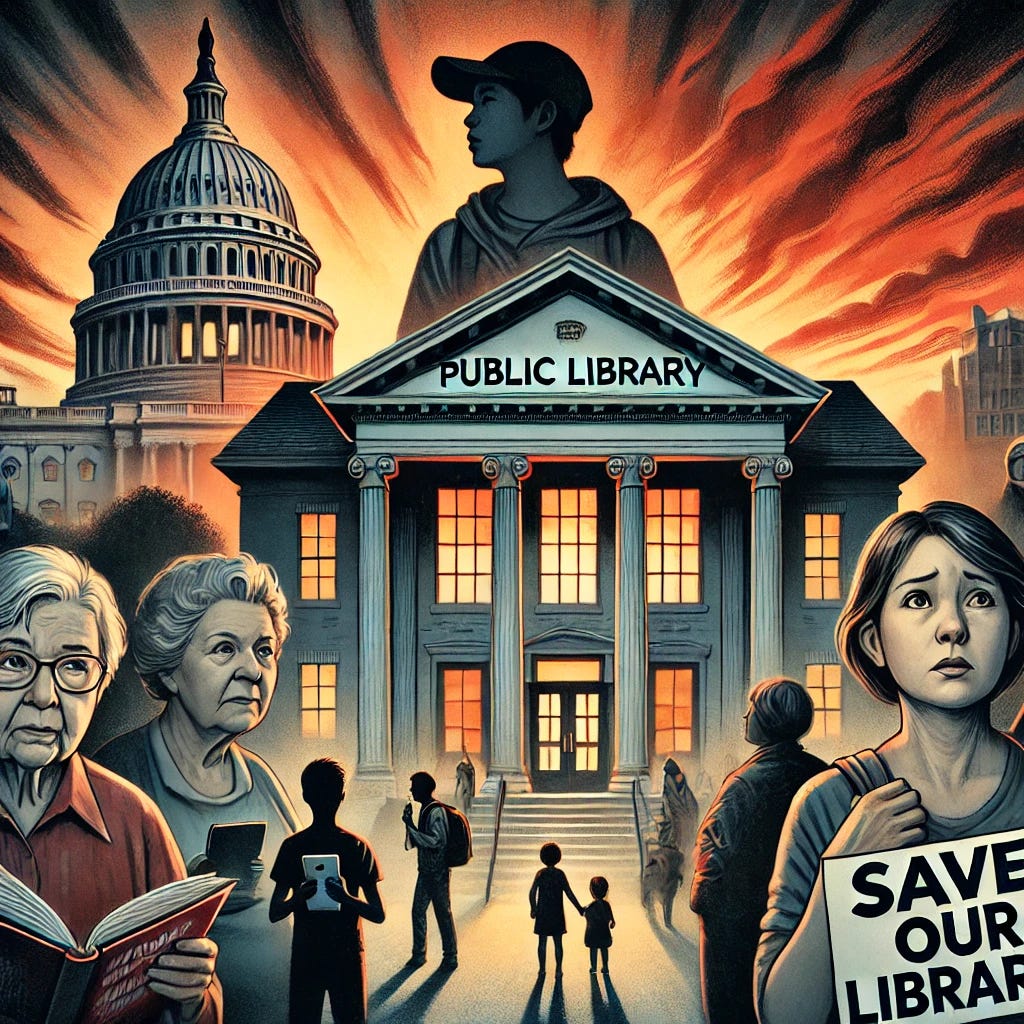
The Fragile Funding of Public Libraries
Public libraries are funded through a patchwork of local, state, and federal contributions. However, this funding structure varies widely by state, creating significant disparities in library services. States like Pennsylvania exemplify the precarious nature of library funding, as there is no state mandate requiring municipalities to fund public libraries. Instead, libraries depend heavily on voluntary contributions from local governments, donations, and occasional state or federal grants (PA Department of Education). Approximately 85% of libraries in Pennsylvania operate as 501(c)(3) nonprofits, relying on private fundraising to fill gaps in public funding.
Even in states with more robust funding systems, local governments bear the brunt of financial responsibility. For instance, in neighboring New Jersey, libraries are funded primarily through property taxes, which ties library budgets directly to the wealth of the surrounding community (New Jersey State Library). Rural libraries, already hampered by smaller tax bases, often operate on shoestring budgets, while wealthier suburban areas enjoy well-funded libraries with modern technology and diverse programming.
The now-revoked Executive Order 14084 symbolized an acknowledgment of libraries' critical role in bridging gaps in access and equity (EveryLibrary). Without this federal support, libraries must navigate an already fractured funding landscape, with the most vulnerable communities paying the price.
The Coffman Chronicle is powered by YOU—no billionaires, no corporate overlords. Help us keep exposing the BS, delivering sharp insights, and keeping you informed.
For just $8 a month or $80 a year, you can fuel the fight and be part of the movement.
Not ready to subscribe? No worries, chaos loves company, and you're always welcome. But if you’re fired up to keep us loud, proud, and unfiltered, smash that subscribe button now!
Libraries as Lifelines for Vulnerable Communities
Modern public libraries are far more than repositories of books. They are dynamic community hubs that offer essential services to people of all ages and backgrounds. For vulnerable communities, these services can be transformative:
Educational Support:
Libraries provide free literacy programs, homework help, and access to educational materials, especially in areas where schools are underfunded. Early childhood programs, like storytime and reading clubs, help prepare young children for school, particularly in low-income neighborhoods where preschool options may be limited. Beyond youth, libraries also support learning throughout the lifespan.Bridging the Digital Divide:
In rural areas and low-income urban neighborhoods, libraries are often the only place residents can access free internet and technology. With approximately 14.5 million rural Americans lacking broadband access, libraries serve as a crucial gateway to the digital world (FCC Report). Job seekers rely on library computers to apply for jobs, create resumes, and complete online training courses. This divide was made painfully clear during the pandemic, and progress has been minimal at best. Federal funding for mobile hotspots and broadband under the FCC is being challenged this spring in the Supreme Court, threatening the ability of libraries to continue to offer this essential service.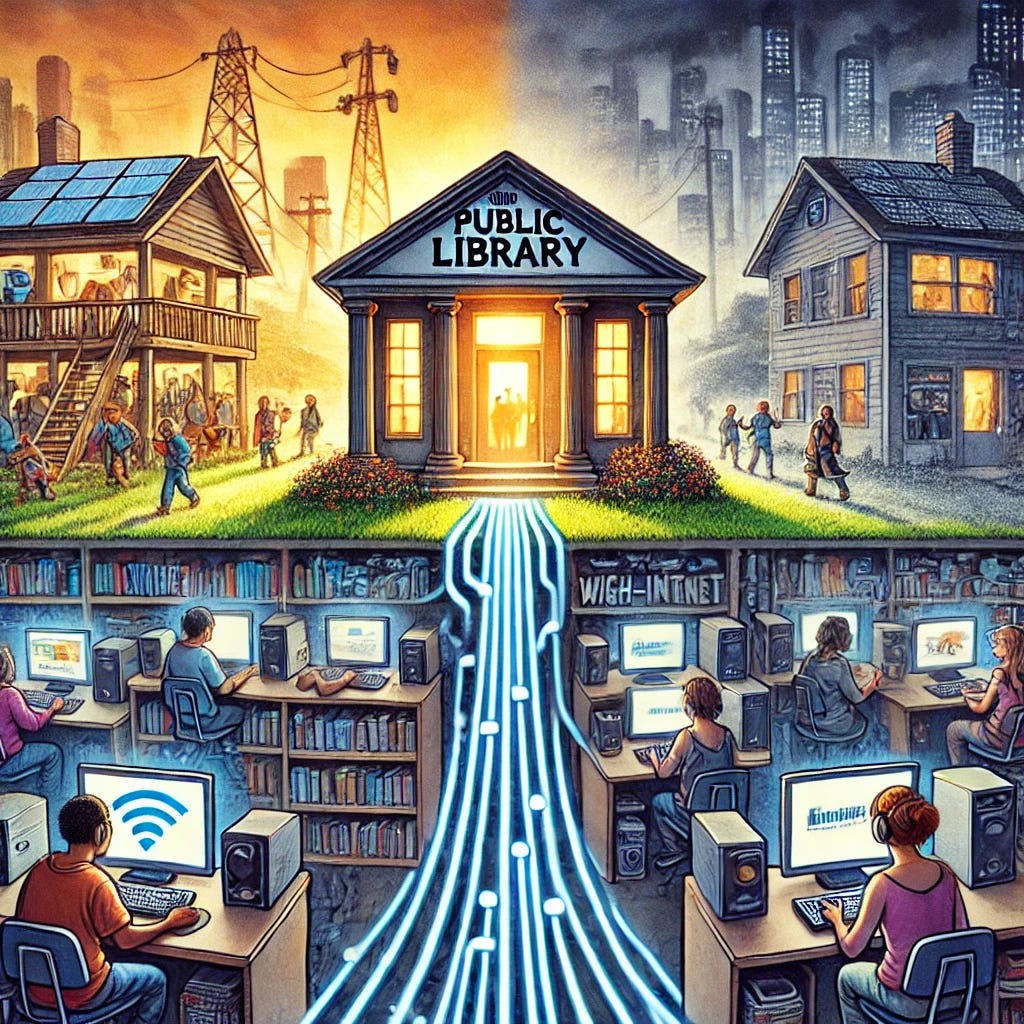
Vital Community Hubs:
Libraries provide public gathering spaces, especially in rural communities that often lack accessible venues for people to meet, share ideas, and organize events. In many small towns, the library is the only non-commercial public space where people can gather without the expectation of spending money. This makes libraries indispensable for fostering community connections and civic engagement. Libraries host everything from town hall meetings to hobby groups, creating opportunities for social interaction in communities that might otherwise face isolation. Many also serve as community polling stations. As the world continues to battle a loneliness epidemic, public libraries provide a space for many to safely interact as they discuss a book, listen to music, watch a program, or sit and craft together.Social Services:
Libraries provide critical resources for marginalized populations, including unhoused individuals, immigrants, and seniors. Many libraries offer assistance with filing government forms, accessing healthcare information, and navigating legal processes. Increasingly, public libraries have taken a big move to address community needs, with many hiring social workers to help patrons access essential services. Even those libraries without a budget to fund a professional social worker regularly refer the public to available governmental and nonprofit assistance programs and services.Safe Spaces:
Libraries serve as inclusive spaces for LGBTQ+ youth, women seeking refuge, and others who may face discrimination or lack safe environments at home. They also host support groups and cultural programming that foster community connections.Cultural Preservation:
Libraries preserve local history, offer bilingual resources for immigrant families, and provide cultural programming that reflects the diversity of their communities. The library is the local history museum and archive in many areas, and most offer speakers and programs on local history, issues, and interests.Defending Intellectual Freedom:
Public libraries are on the front lines of defending intellectual freedom in an era of increasing book bans and challenges to diverse materials and programs. In some states, libraries have faced significant pressure to remove books addressing topics like race, gender, and LGBTQ+ issues (ALA Report). These efforts undermine free access to information and threaten libraries' very mission of serving as spaces for learning and inclusion. And threats to funding are only the beginning. Recent reversals in the Department of Education are set to make these attacks even more extreme.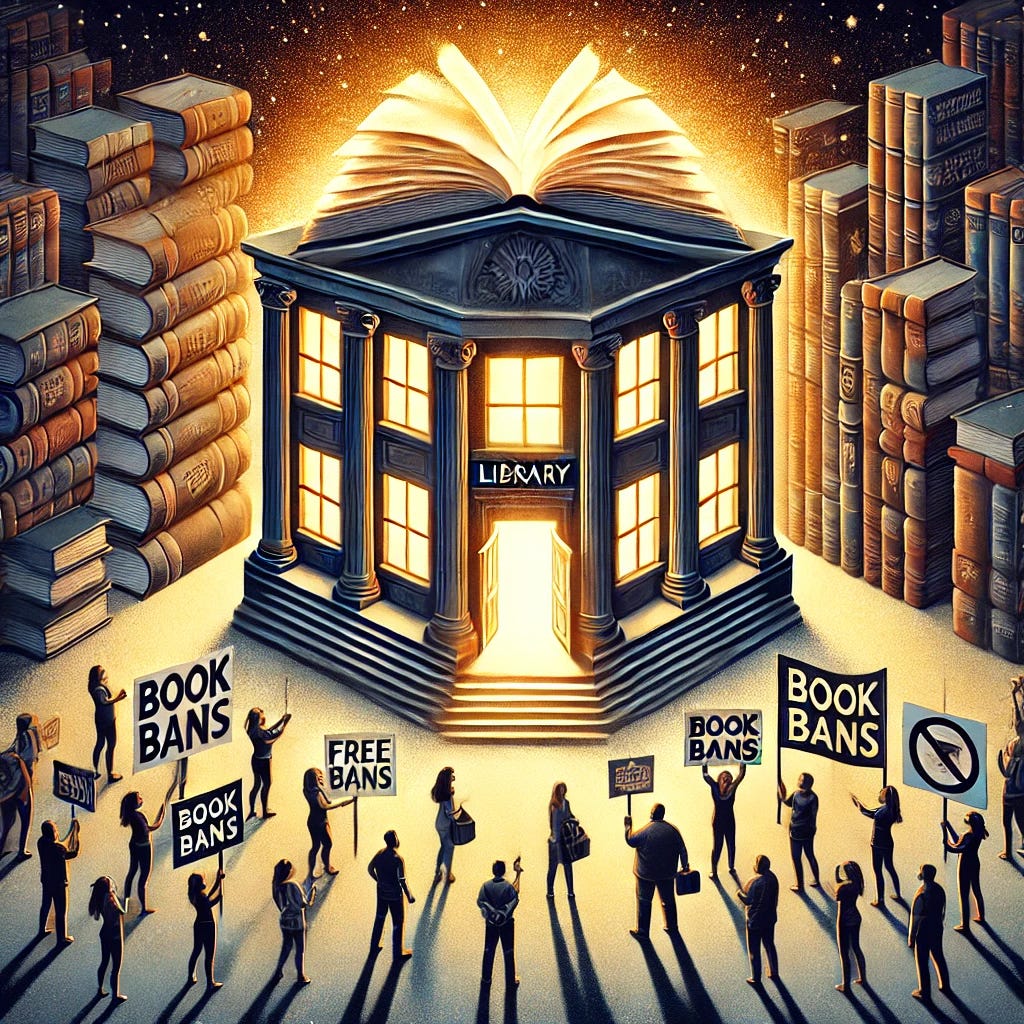
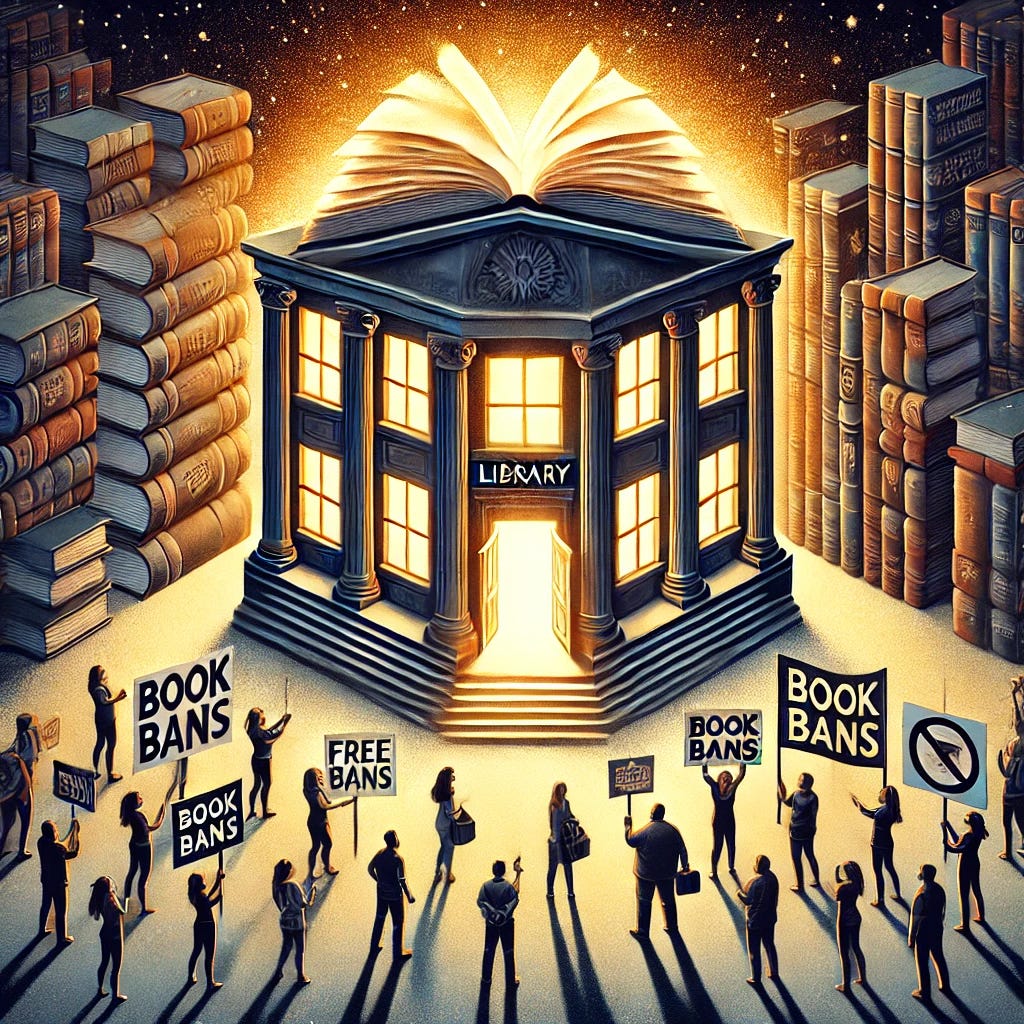
Libraries are not just places of learning—they are lifelines that address their communities' physical, social, and educational needs by offering these services. The loss of federal support endangers these programs, particularly in libraries serving low-income or rural areas. Without funding to sustain or expand these services, communities that rely on libraries the most will lose access to them.
The Executive Order and the Growing Wealth Divide
The revocation of Executive Order 14084 is emblematic of a broader trend toward disinvestment in public goods. This move exacerbates the wealth and access divide in several key ways:
Undermining Equitable Access:
Libraries offer free and equitable access to resources regardless of socioeconomic status. By deprioritizing federal support — which is barely existent— the government effectively burdens local communities, where funding disparities are already stark. Wealthier municipalities may continue to fund their libraries, but poorer areas risk closures, reduced hours, and limited programming.Erosion of Rural Services:
Rural libraries often serve as their communities' only cultural and educational institutions. Federal support has historically played a key role in sustaining these libraries. Without it, rural residents risk losing essential services like internet access, educational programs, and even the libraries themselves.Impact on Marginalized Groups:
Marginalized communities—such as low-income families, immigrants, and people of color—rely disproportionately on public libraries. The loss of services, from ESL classes to job placement resources, will deepen existing inequities and limit opportunities for upward mobility.Widening the Digital Divide:
The digital divide grows more pronounced as technology becomes increasingly essential for work, education, and daily life. Without federal investment in library infrastructure, efforts to provide internet access and digital literacy training in underserved areas will stall.
Who Loses When Libraries Are Compromised?
The groups most affected by this policy change include:
Children and Students: Reduced access to after-school programs and study spaces will disproportionately impact students in underfunded school districts.
Low-Income Families: Families without home internet access will lose one of their only connections to the digital world.
Unhoused Individuals: Libraries serve as critical spaces for unhoused individuals to access social services and stay connected.
Rural Communities: Library closures will leave residents without essential resources in areas with few other public spaces.
Marginalized Groups: LGBTQ+ youth, immigrants, and people of color will lose access to inclusive programming and support networks.
Conclusion: A Call to Reinvest in Libraries
The revocation of Executive Order 14084 is a shortsighted decision that ignores the essential role libraries play in fostering education, equity, and community resilience. This, like attacks on public education, is a troubling sign of the degradation of learning and intellectualism under the Trump administration. At a time when economic disparities are growing and access to essential resources is increasingly unequal, the federal government should be doubling down on its support for public libraries—not dismantling them.
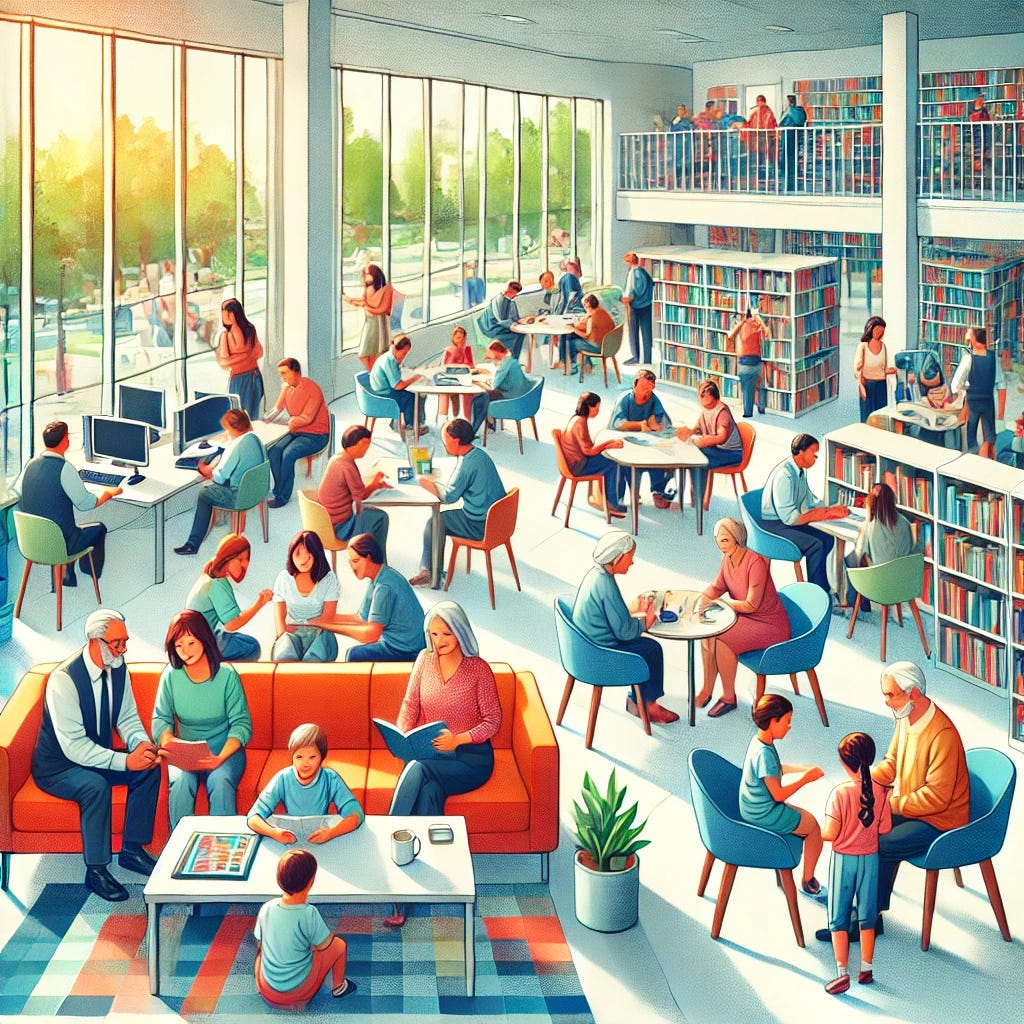
Libraries are more than buildings; they are pillars of opportunity and inclusion. Policymakers, advocates, and citizens must recognize their value and fight for continued and increased support. The cost of inaction is too high—not just for libraries but for the millions of Americans who depend on them daily. We cannot allow this administration to erode equitable access to education and learning further. The attempts to dumb down the masses are growing increasingly apparent.
Additional sources:
IMLS https://www.imls.gov/research-evaluation/data-collection/public-libraries-survey
Statista https://www.statista.com/topics/1469/libraries/
All images are AI-generated
They are afraid of knowledge for their voters. Then they, the voters, would see through the lies much to easily
They want to keep the masses stupid