


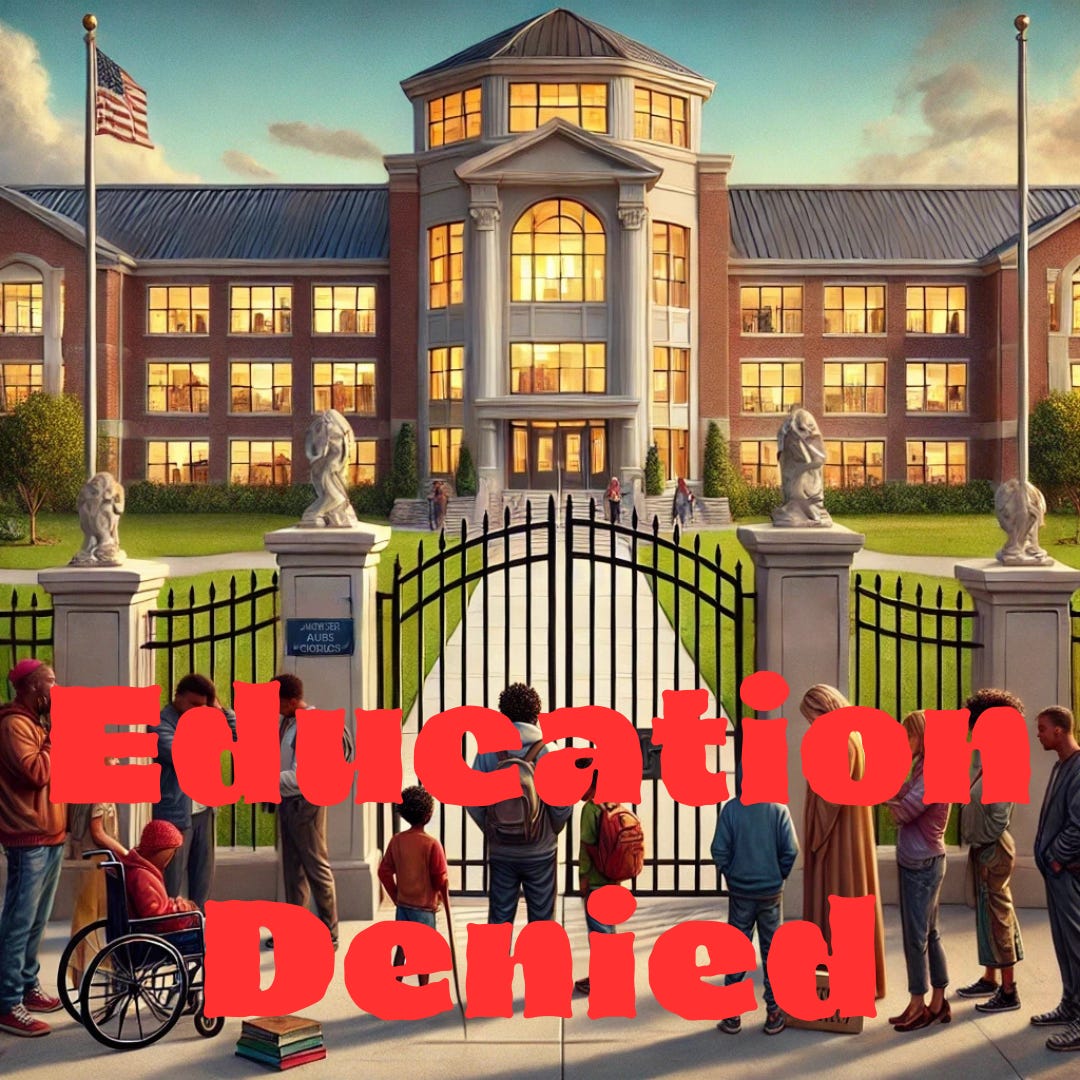
On March 20, 2025, President Donald Trump signed an executive order directing Education Secretary Linda McMahon to begin dismantling the U.S. Department of Education (DOE). The administration claims this move is about restoring “parental rights” and eliminating federal overreach. However, this action threatens to dismantle critical support for the most vulnerable students in our education system.
What the Executive Order Says
First, let’s clarify what the order does and does not do. It lists four specific actions related to public schools.
The executive order outlines the following actions:
Eliminating federal oversight and funding programs, including Title I and IDEA.
Transferring special education programs and school lunch programs to the Department of Health and Human Services (HHS).
Reducing DOE staff and budgets significantly.
Eliminating civil rights enforcement currently protected by the DOE’s Office for Civil Rights.
While framed as a move to enhance local control, this order undermines essential federal student protections and resources. It does not precisely dissolve the Department of Education, but it does essentially dismantle it.
See our breaking news report on this executive order here:

So, what is the Department of Education?
What the Department of Education Does—and Does Not Do
What the DOE Does:
Since its establishment in 1979, the Department of Education has promoted educational equity and ensured quality education for all students, particularly those most vulnerable.
“Public education is the cornerstone of democracy. To dismantle federal protections is to abandon our moral and legal obligation to ensure every child has access to a quality education.” Randi Weingarten, President of the American Federation of Teachers.
Key functions include:
Funding Essential Programs:
Title I: Provides financial assistance to schools serving low-income students, benefiting approximately 26 million students and supporting nearly half (56,000) of all U.S. schools.
IDEA (Individuals with Disabilities Education Act): Ensures free and appropriate public education to over 7.5 million students with disabilities.
Enforcing Civil Rights:
Protects students from discrimination based on race, disability, gender, or socioeconomic status.
Setting Basic Standards and Accountability:
Ensures states provide a minimum level of education, particularly for marginalized populations.
Collects data to track progress and enforce compliance with federal laws.
What the DOE Does NOT Do:
The Department of Education does not:
Dictate Curricula or Textbooks:
States and local school districts make decisions about curricula, including textbooks and educational content.
Mandate Educational Standards:
Federal standards serve as minimum requirements to ensure children receive a basic education, with states determining their own standards beyond that baseline.
Control Local Schools:
Local school boards and state legislatures hold authority over hiring policies, school culture, extracurriculars, and disciplinary policies. Federal oversight primarily addresses civil rights violations or failures to provide basic access to education.
Let’s be crystal clear: the argument that this Executive Order “returns control to the states and parents” is utter nonsense. That has always belonged to the states.
The primary function of the Department of Education is to ensure that every student receives the most basic reading and math skills and that no student is turned away from receiving those most basic skills. That is why the literacy and educational quality in each state varies.
As a reminder, the same people who are screaming about the Department of Education “indoctrinating” children are in complete agreement with the administration’s executive orders requiring curriculum requirements that are focused on patriotic, nationalistic, and conservative versions of history.
See our reporting on that executive order here:

Who Won’t Be Affected: The Wealthy and Their Children
The executive order disproportionately harms public school students while leaving wealthy families largely unaffected:
Private Schools Are Untouched:
Private schools, not dependent on federal funding, will continue to operate with ample resources, small class sizes, and specialized services.
Elite Schools Will Continue to Thrive:
Institutions serving the children of politicians, CEOs, and the ultra-rich will remain unaffected, maintaining their high standards and resources.
This Is By Design:
The dismantling of the DOE creates a two-tiered system in which the wealthy thrive and everyone else struggles, exacerbating educational inequities.
Immediate Impacts: Spring 2025 - End of the 2024–2025 School Year
The effects of the executive order are already being felt.
Proactive Budget Cuts and Chaos:
Preemptive Cuts: Districts are slashing budgets in anticipation of losing federal funding.
Hiring Freezes: Schools are holding off on hiring new staff and leaving vacant positions unfilled.
Reduced Programs: Special education services, tutoring programs, and extracurriculars are the first to be cut.
Teacher Exodus:
Early Retirements and Career Changes: The uncertainty is driving teachers to consider early retirement or career changes, worsening the already dire teacher shortage. As of the 2024–2025 school year, there were over 300,000 unfilled teaching positions nationwide.
Increased Class Sizes: Reduced staffing will force schools to increase class sizes and eliminate enrichment programs.
“Teachers are already leaving in droves. This will turn the trickle into a flood. Who will want to teach in a system deliberately set up to fail?” Becky Pringle, President of the National Education Association.
The Real Damage: What’s Coming Next School Year (2025–2026)
The most devastating impacts will occur when the next quarterly disbursement of federal funds—Title I and IDEA—is due on July 1, 2025:
Funding Losses:
Immediate Deficits: When funds are cut, schools that rely heavily on Title I and IDEA will face immediate deficits.
States Most Affected: States like Mississippi, New Mexico, and Pennsylvania, which are highly dependent on federal funding, will be severely impacted.
Ballooning Class Sizes and Program Elimination:
Increased Class Sizes: Class sizes will skyrocket as schools are forced to consolidate resources.
Consolidation of Schools: Some schools may close locations and merge others to survive the cuts, increasing class sizes and transportation times.
Elimination of Programs: Special education services, advanced placement courses, and extracurricular programs will be the first to be cut.
Severe Impact on Special Education:
Loss of Services: Students who rely on IDEA-funded programs will lose critical resources like speech therapy, individualized instruction, and physical accommodations.
Elimination of Programs: Many districts will eliminate special education services altogether due to lack of funding.
The HHS Disaster: Transferring Special Education & School Lunch Programs
The executive order reassigns management of IDEA and school lunch programs to the Department of Health and Human Services (HHS), an agency unprepared for this responsibility:
Why HHS Is Not Equipped:
Budget Cuts: The Department of Government Efficiency (DOGE) initiative has already caused HHS to suffer a 7% budget cut.
Lack of Infrastructure: HHS is structured to address health care, not education. It lacks the expertise, staff, and infrastructure to handle programs that provide educational access and nutritional support.
No Experience with Educational Standards: HHS is not built to enforce educational standards or ensure accessibility for disabled students.
Consequences:
Special Education: Without IDEA funding and proper oversight, over 7.5 million disabled students could lose access to necessary educational resources.
School Lunch Programs: Approximately 29.6 million low-income children who rely on free and reduced-price lunches risk losing access to essential nutrition.
Chaos and Confusion: Schools are already overwhelmed by the lack of guidance on how HHS will manage these programs. The transition is a logistical nightmare that will leave many students without critical services.
“The IDEA was never fully funded, but at least it provided a lifeline. Without federal oversight, children with disabilities will be left out entirely.” Denise Marshall, CEO of the Council of Parent Attorneys and Advocates (COPAA).
Historical Context: The Hard-Won Right to Education
Public education for all children is a relatively new development in the United States. The current effort to dismantle the DOE threatens to undo decades of progress.
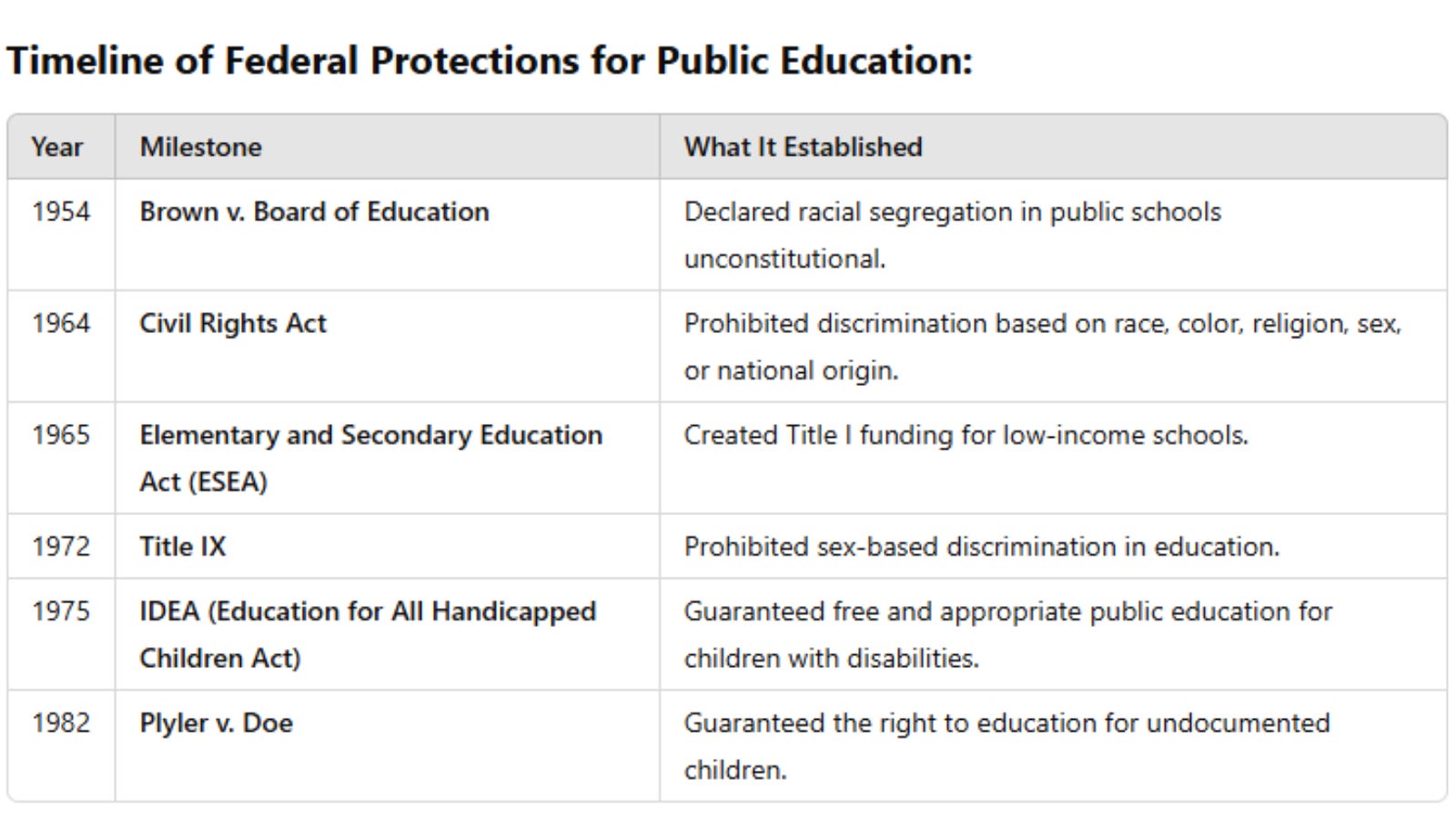
Let’s be clear. These dates are horrifying and damning. People alive today in their seventies have witnessed nearly the entire ongoing struggle to ensure even basic educational guarantees for all children.
As a chilling reminder, Ruby Bridges is 71, y’all. She was born the same year Brown v. Board of Education was heard. That means most schools were still not desegregated when she walked into that Louisiana school in 1960— six years after Brown.
It took five years before Title I was created to help bridge the gap for low-income students who are disproportionately impacted by the zip code factor. Because property taxes mainly fund public schools, wealthy neighborhoods invest more in students than their lower-income neighbors, meaning a difference of just a few streets can determine the quality of education you are eligible to receive. The wealthiest school districts spend nearly 10 times more per student than the poorest districts. And despite sixty years of Title I, the difference is still stark.
Children with disabilities were not ensured access to public education for another ten years, and that came just three years after it was officially made illegal to deny girls equal education. Ruby was twenty-one before she was legally eligible for an equal education based on her sex.
Nearly everyone reading this right now was born before undocumented children were granted the right to an education. And now? The clock is being forced backward.
Who Will Be Targeted First? (And Why This Is Intentional)
When federal funding is removed, states will look for ways to cut costs. And the most vulnerable groups will be the first to be denied education.
Tennessee is already leading the way. In direct defiance of Plyler v. Doe, legislation has been proposed challenging its obligation to educate undocumented children. Without federal oversight, other states will follow. And they will not stop there.
See our reporting on the Tennessee legislation here:

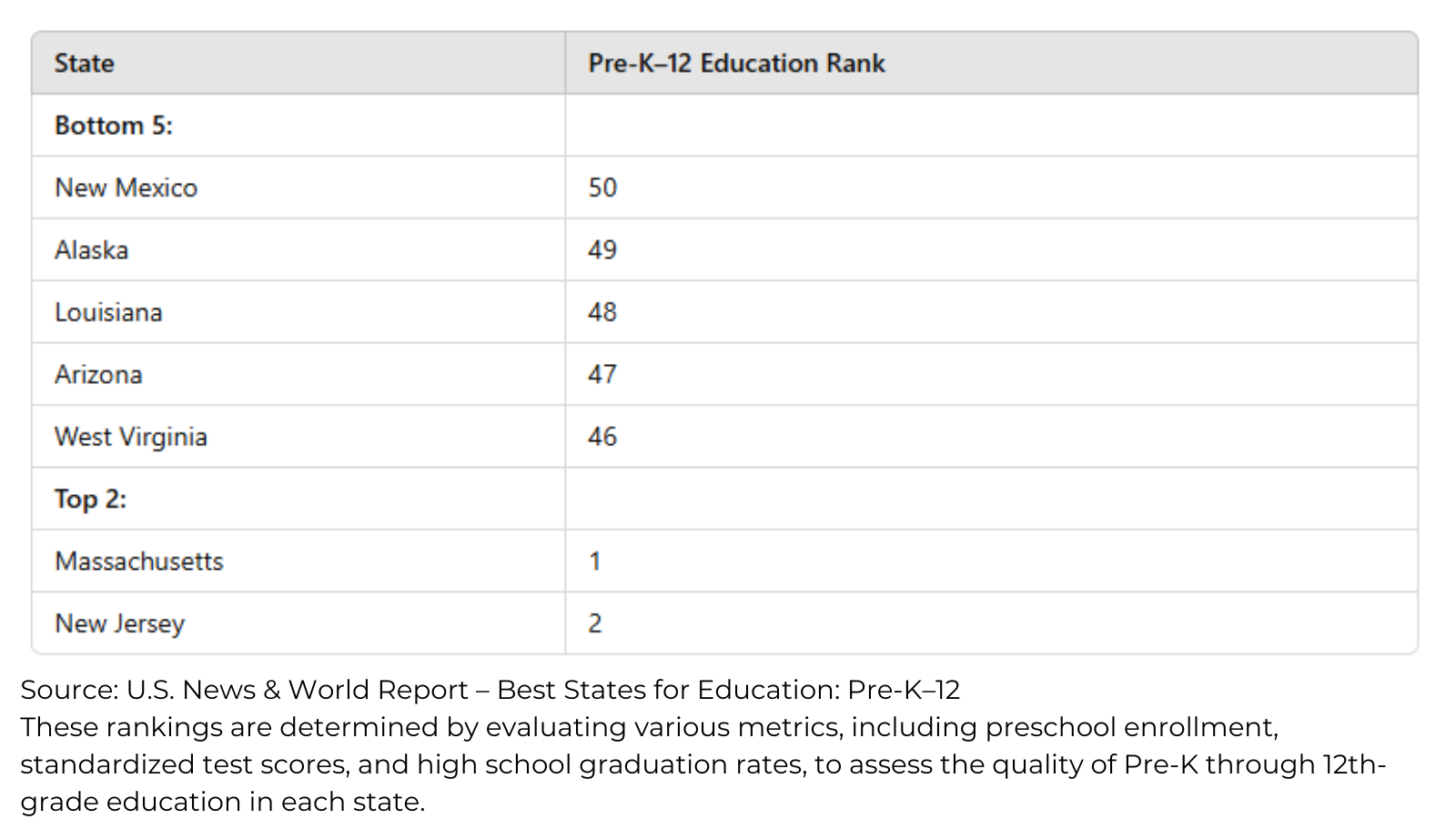
It's no coincidence that the states most likely to cut essential services for marginalized students are the same states already failing them. Federal protections like Title I and IDEA exist precisely because many states have consistently neglected their most vulnerable populations. Consider how states rank in terms of educational quality.
Who is next?
Disabled Students: Educating children with disabilities is costly. When federal IDEA funding disappears, states will claim they “can’t afford” to educate them.
Low-Income Students: Without Title I funding, entire districts will collapse, and schools serving the poorest populations will be left without the resources to function.
Racial Discrimination: Removing federal civil rights enforcement will allow states to resurrect separate but equal policies under new pretenses. They don’t even have to be overt. Allowing schools in majority-minority neighborhoods to fold will ensure that the disparity is unavoidable.
Gender Discrimination: Programs aimed at girls’ education and empowerment could be cut under the guise of “budget cuts” or “local control.” Because in a Christian Nationalist nation, girls don’t need to read; they need to breed.
“By destroying public education, we are dooming entire generations to poverty. The economic divide will grow deeper, and social mobility will become a thing of the past.” Derek Black, Education Law Professor at the University of South Carolina.
The Intentional Destruction of Public Education
This is not just an unfortunate side effect of misguided policy. It is the point.
The administration is deliberately abandoning the most vulnerable students by pulling federal funding and oversight.
States will cut programs and services that protect marginalized groups. More importantly, there will be no agency or law to stop them.
The wealthy, whose children attend private schools, will remain completely untouched by this destruction.
The end goal is to create a two-tiered system where only the wealthy receive a quality education. The rest are left to fend for themselves in an underfunded, collapsing system.
See our reporting here on this topic:


The consequences of dismantling federal oversight are far more severe than underfunded schools and overcrowded classrooms. They are about condemning entire generations to economic hardship and, for many, incarceration. By 3rd grade, children not reading proficiently are four times more likely to drop out of high school. And high school dropouts are at far greater risk of being funneled into the criminal justice system.
This is not just about failing schools; it's about a deliberate effort to deepen poverty and expand the school-to-prison pipeline. And it is the very populations already most at risk—low-income students, children of color, and students with disabilities—that will bear the brunt of this assault.
Call to Action: What You Can Do
This attack on public education cannot be allowed to succeed. Here’s how you can help:
Contact Your Representatives:
Demand that they oppose the dismantling of the Department of Education.
Advocate for legislation to protect Title I, IDEA, and civil rights enforcement.
Support Legal Challenges:
Donate to or support organizations fighting this executive order in court.
Follow groups like the American Civil Liberties Union (ACLU) and the Education Law Center.
Educate Your Community:
Share the facts. Make sure people understand what’s happening and what’s at stake.
Organize local meetings and spread awareness on social media.
Push for State-Level Protections:
Demand that your state government refuse to implement harmful cuts.
Advocate for state funding to replace lost federal resources.
Conclusion: This Is Intentional
This isn’t about “parental rights” or “local control.” It’s about destroying public education as we know it. The wealthy will be fine. The poor, disabled, and marginalized? They will be left behind. And that’s the point.
You power the Coffman Chronicle—no billionaires, no corporate overlords. Help us expose the BS, deliver sharp insights, and keep you informed.
You can fuel the fight and join the movement for just $8 a month or $80 a year.
Not ready to subscribe? No worries, chaos loves company, and you're always welcome.
Bibliography:
“7 Ways the Department of Education Supports Your Kids' School.” Parents.com, March 19, 2025.
“Project 2025's Elimination of Title I Funding Would Hurt Students and Decimate Teaching Positions in Local Schools.” Center for American Progress, July 2024.
“Public Education Funding in the U.S. Needs an Overhaul.” Economic Policy Institute, July 12, 2022.
“Trump's Plans to Axe US Education Department Put Marginalized Students Most at Risk, Experts Warn.” The Guardian, January 21, 2025.
“Dismantling the School-to-Prison Pipeline: Tools for Change.” University of Florida Levin College of Law, February 2025.
“The Real Impact of Eliminating the Department of Education.” TIME Magazine, March 1, 2025.
“Bracing for Cuts in School Funding.” Midland Daily News, March 21, 2025.
“Shutting the Education Department Won't Change Curriculums - But It Could Impact Funding of Programs.” MarketWatch, March 20, 2025.
“The 2024 Nation's Report Card.” National Assessment Governing Board, 2024.
“Rankings: Education – States With the Best Education.” U.S. News & World Report, 2025.
“National School Lunch Program.” U.S. Department of Agriculture, Food and Nutrition Service, 2025.
"Trump's Order to Dismantle Education Department Sparks Outrage: 'See You in Court'" The Guardian, March 21, 2025.
"Trump Ordered the Education Department Closed. What Happens Now?" The Cut, March 2025.
"Beyond Burnout: What Must Be Done to Tackle the Educator Shortage"National Education Association | NEA, June 2022.
"AFT's Weingarten on Trump's Order to Dismantle the Education Department," American Federation of Teachers (AFT), March 2025.