


On January 27, President Donald Trump’s administration dismissed more than a dozen Department of Justice (DOJ) prosecutors and inspectors general, many of whom had been directly involved in investigations targeting him or prosecutions of January 6 Capitol rioters. These firings weren’t subtle—they were a flex, a blunt display of executive power, and a warning to anyone who might dare to hold him accountable. They’re more than just a headline; they’re a signpost marking America’s slow slide toward something darker.
These firings, combined with Trump’s mass pardons of January 6 defendants and his embrace of policies like those in the Heritage Foundation’s Project 2025, paint a stark picture: the rule of law is bending, and executive power is consolidating like never before. To understand just how dangerous this is, we need to look at where we’ve been, where this breaks from historical norms, and the long shadow it casts over the future of democracy.
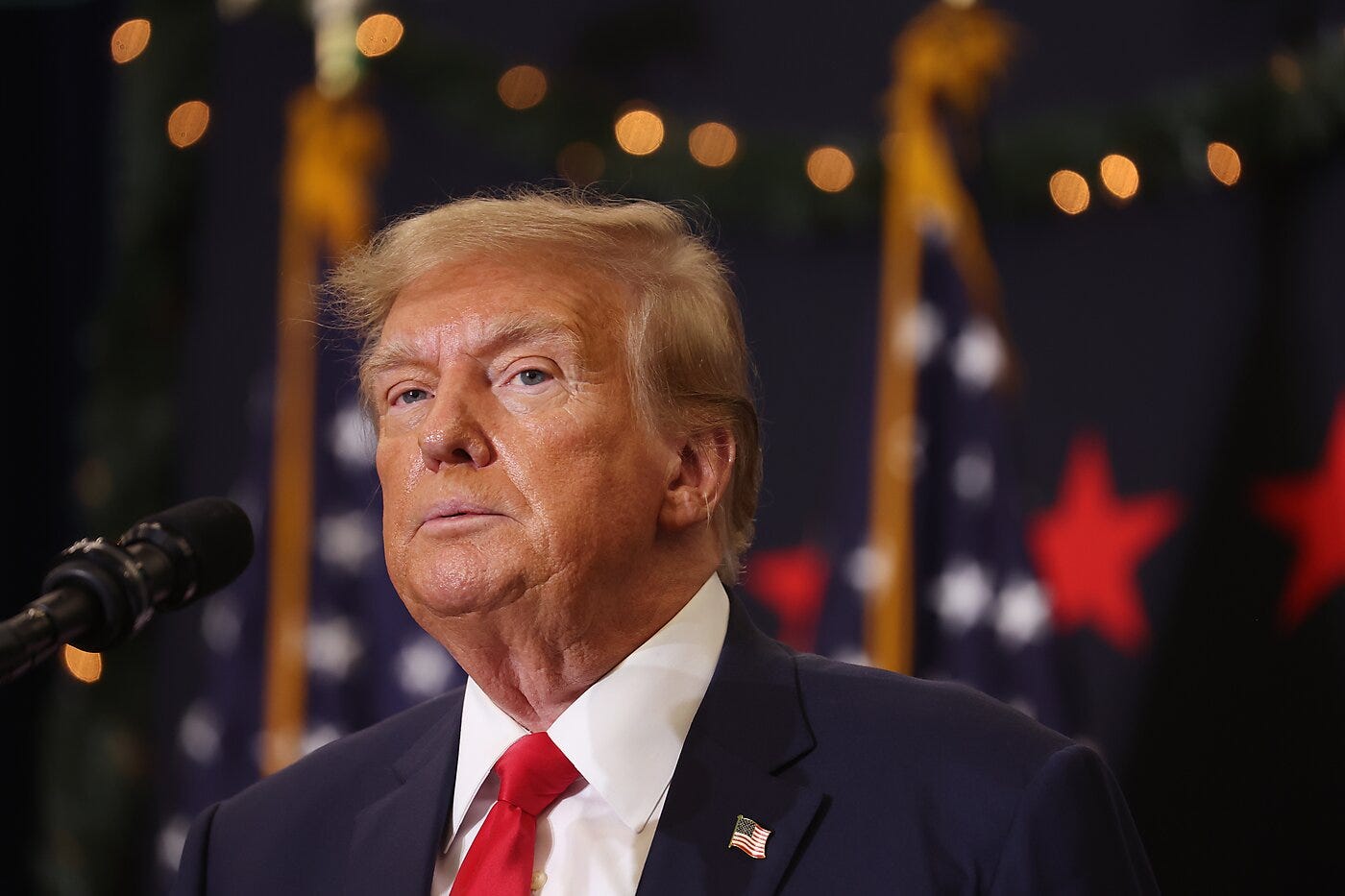
Image from CATO
Trump’s Firings in Historical Context
American presidents have clashed with the DOJ before, but there’s always been a fine line between political appointments and outright interference in justice. Historically, that line has been tested—but rarely obliterated like it is now.
Nixon’s Saturday Night Massacre (1973): Amid the Watergate scandal, Richard Nixon ordered the firing of Special Prosecutor Archibald Cox, who was digging too deeply into his abuses of power. The Attorney General and his deputy resigned rather than carry out Nixon’s orders, creating a firestorm of backlash that ultimately led to Nixon’s downfall.
Clinton’s Firing of U.S. Attorneys (1993): Bill Clinton dismissed all 93 U.S. Attorneys at the start of his presidency, a sweeping act that drew criticism but wasn’t inherently illegal. The controversy peaked when it became clear that one of the dismissed attorneys, Jay Stephens, was investigating a powerful Democratic ally of Clinton’s.
Trump’s First Term Firings (2017-2020): Trump has always flirted with the limits of presidential authority. From firing FBI Director James Comey to ousting U.S. Attorney Preet Bharara, his first term was a test run for consolidating control over the DOJ.
Trump’s 2025 firings, however, go far beyond anything we’ve seen before. These weren’t routine changes tied to a presidential transition—they were direct, surgical strikes at individuals who had worked on investigations into Trump’s alleged criminal behavior and prosecutions of January 6 insurrectionists. The message was clear: loyalty to the president is the new law of the land.
The Retaliatory Nature of the Firings
Let’s not mince words—these firings reek of retaliation.
The prosecutors let go had worked on some of the most high-profile investigations against Trump, including Special Counsel Jack Smith’s probes into Trump’s alleged election interference and mishandling of classified documents (source). Smith resigned earlier this month, but his team has remained in place until now. By dismissing them, Trump didn’t just remove individuals; he cut off the head of investigations that had threatened his political survival.
But that’s not all. Trump’s mass pardons of January 6 defendants just days earlier (source) had already thrown ongoing prosecutions into chaos. Many of the fired DOJ officials had been building cases against insurrectionists who attacked the Capitol—people Trump has repeatedly described as “patriots.” With the pardons and now these firings, Trump has sent a chilling signal: the justice system is no longer about law; it’s about loyalty.
The Project 2025 Connection
These firings aren’t happening in a vacuum—they’re part of a broader, calculated push for total executive control. Project 2025, a blueprint crafted by the Heritage Foundation and embraced by Trump, lays out a vision for a presidency with near-absolute authority (source).
Key tenets of Project 2025 include:
Reclassifying Federal Employees: The president could fire anyone who doesn’t toe the political line by turning career civil servants into at-will employees.
Centralizing Power Over Agencies: Independent bodies like the DOJ or Federal Communications Commission would come under direct presidential control, eliminating the safeguards that keep them insulated from partisan influence.
Weakening Oversight: Inspectors general, whose job is to root out corruption and incompetence, would see their powers gutted.
Trump’s actions in 2025 are essentially a preview of this dystopian vision. The DOJ firings and the mass dismissal of 17 inspectors general weren’t just power plays—they were road tests for a government that answers only to the president. It’s a strategy ripped straight from the playbooks of authoritarian regimes like Viktor Orbán’s Hungary or Recep Tayyip Erdoğan’s Turkey.
The Long-Term Fallout
The implications of Trump’s actions are massive and will ripple through every branch of government for years if not decades.
DOJ Independence Is on Life Support:
These firings blow a hole through the wall that’s supposed to separate politics from law enforcement. When prosecutors can be fired for doing their jobs—especially when those jobs involve investigating the president—impartial justice becomes a fantasy.Accountability Will Be Nonexistent:
By removing inspectors general en masse, Trump has gutted one of the last lines of defense against corruption. These watchdogs are supposed to keep the executive branch in check, but who will call out abuse without them?A Dangerous Precedent:
Trump’s actions set a new benchmark for executive overreach. Future presidents—Republican or Democrat—may feel emboldened to retaliate against prosecutors or fire career officials to protect themselves or their allies.Chilling Effect on Public Servants:
Why would a federal employee risk investigating influential figures if it might cost them their career? The firings send a message: loyalty to the president matters more than loyalty to the Constitution.Public Trust Is Shattered:
Americans are already skeptical of government institutions. Moves like this deepen that distrust, making people believe that justice is rigged and democracy is just for show.
The Coffman Chronicle is powered by YOU—no billionaires, no corporate overlords. Help us keep exposing the BS, delivering sharp insights, and keeping you informed.
For just $8 a month or $80 a year, you can fuel the fight and be part of the movement.
Not ready to subscribe? No worries, chaos loves company, and you're always welcome. But if you’re fired up to keep us loud, proud, and unfiltered, smash that subscribe button now!
A Democracy at a Crossroads
Trump’s DOJ firings aren’t just a blip on the radar—they’re a full-blown warning that democracy is under attack from within. The firings and Project 2025’s roadmap for consolidating executive power signal a dangerous shift toward authoritarianism.
This isn’t about politics or party affiliation—it’s about the survival of the rule of law. If the president can remove anyone who challenges him without consequences, if prosecutors and watchdogs are afraid to do their jobs, and if loyalty to a single leader replaces accountability to the people, then we’re no longer living in a democracy.
Trump has shown us what a power grab looks like. The question is, will we let it stand?
It's actually quite simple: he's had too much time to set himself up for petty revenge and it looks like he's put together a whole network for all areas of the administration that are now all hitting at once. It's a bit like those little teenage thugs who kick someone when the person is already lying on the ground. I mean, 34 trillion in debt is not exactly encouraging. All the work can't yet be done by AI so that people can be laid off and then eat grass.