


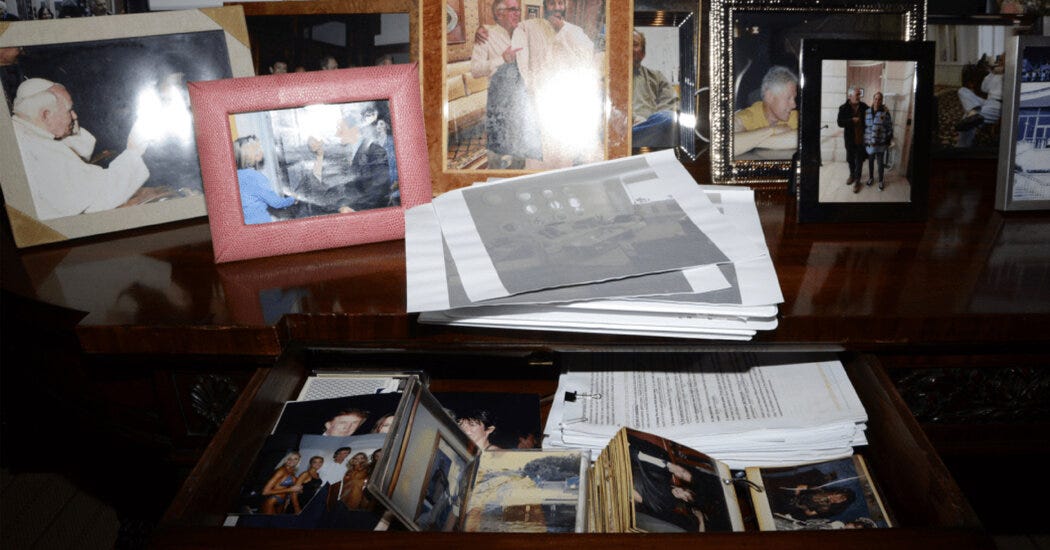
The Justice Department’s release of Jeffrey Epstein-related files has sparked controversy after an image featuring President Donald Trump was temporarily removed from the public document release and then restored following internal review.
The high-profile rollout comes under the Epstein Files Transparency Act, a law Congress passed and President Trump signed in November requiring the DOJ to publish unclassified materials tied to the late financier. But critics say the department’s handling of redactions and file posting raises questions about compliance with the law and whether politically sensitive content is being suppressed.
On Monday, news outlets reported that at least 15 documents, including one image showing Trump with Epstein and others, were removed from the DOJ’s publicly accessible library shortly after being made available. The files were restored after officials determined the image did not pose a risk of identifying victims. The DOJ said the temporary removal was “out of an abundance of caution” and to verify redaction standards.
The broader release has been met with criticism from survivors and lawmakers who argue that many records remain overly redacted and that the DOJ has not met the transparency deadline set by law. Justice Department representatives maintain that redactions are legally necessary to protect victim identities and information in ongoing investigations.
Follow The Coffman Chronicle on NewsBreak for daily breaking political coverage.
“At no point have we withheld material to protect politically exposed individuals,” a DOJ statement said, noting only legally required redactions are applied.
The dispute matters because the transparency act was intended to shed light on Epstein’s network and the DOJ’s investigations. Lawmakers on both sides are pressing officials to justify every redaction and to release additional files. The department says it will continue publishing the records in the coming weeks as part of its ongoing compliance.
As the rollout proceeds, the remaining questions center on how the DOJ balances legal privacy protections with the public’s expectation of full disclosure under the law.
Follow The Coffman Chronicle on NewsBreak for daily breaking political coverage.