


The U.S. Department of Justice sued Virginia on Monday over the state’s policy granting in-state tuition and state financial aid to undocumented immigrants, saying the law breaks federal immigration statute and must be stopped. The complaint, filed in the Eastern District of Virginia, Richmond Division, argues that the tuition and aid policy gives benefits to non-citizens that are unavailable to U.S. citizens regardless of where they live.
The legal fight raises tension between federal immigration authority and states’ efforts to expand access to higher education for all residents. DOJ claims Virginia’s law directly conflicts with the Illegal Immigration Reform and Immigrant Responsibility Act of 1996, which prohibits states from granting postsecondary education benefits to unauthorized immigrants unless the same benefits are offered to U.S. citizens without residency restrictions.
Under the challenged state code, some students, including those without lawful immigration status, qualify for in-state tuition and financial aid by establishing residency or attending Virginia schools. The DOJ says that system unlawfully discriminates against out-of-state U.S. citizens who cannot access the same benefits.
The complaint was filed just before the governor’s office transitions between administrations, leaving uncertainty about Virginia’s defense strategy. Court action has not yet started, and no judge has been assigned.
Follow The Coffman Chronicle on NewsBreak for daily breaking political coverage.
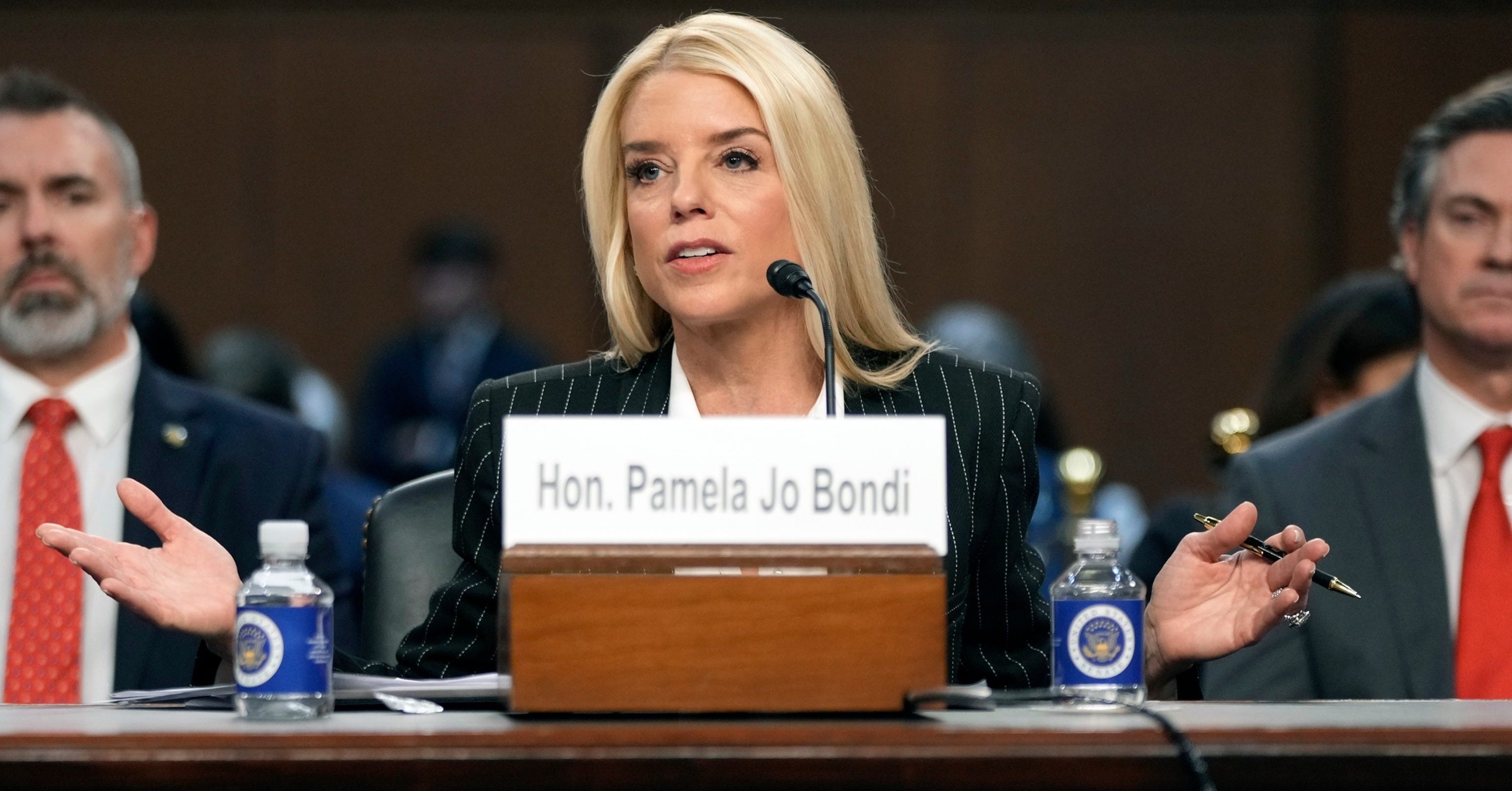
“This is a simple matter of federal law: in Virginia and nationwide, schools cannot provide benefits to illegal aliens that they do not provide to U.S. citizens,” said Attorney General Pamela Bondi.
The outcome could affect at least 20 other states and D.C. with similar tuition equity policies, as federal challenges have already been mounted in multiple jurisdictions.
Supporters of Virginia’s policy say it expands educational access for long-term residents and supports workforce goals, while opponents argue it undermines federal immigration rules. Legal experts say the case may hinge on how courts interpret federal preemption in this context.
Next steps include preliminary court filings, setting deadlines for responses, and likely motions over whether Virginia must immediately stop enforcing the tuition and aid provisions pending resolution. The case could eventually reach appeals courts or invite Supreme Court scrutiny.
Even as legal debate unfolds, students and colleges are watching closely for how access to affordable higher education may change nationwide.
Follow The Coffman Chronicle on NewsBreak for daily breaking political coverage.