


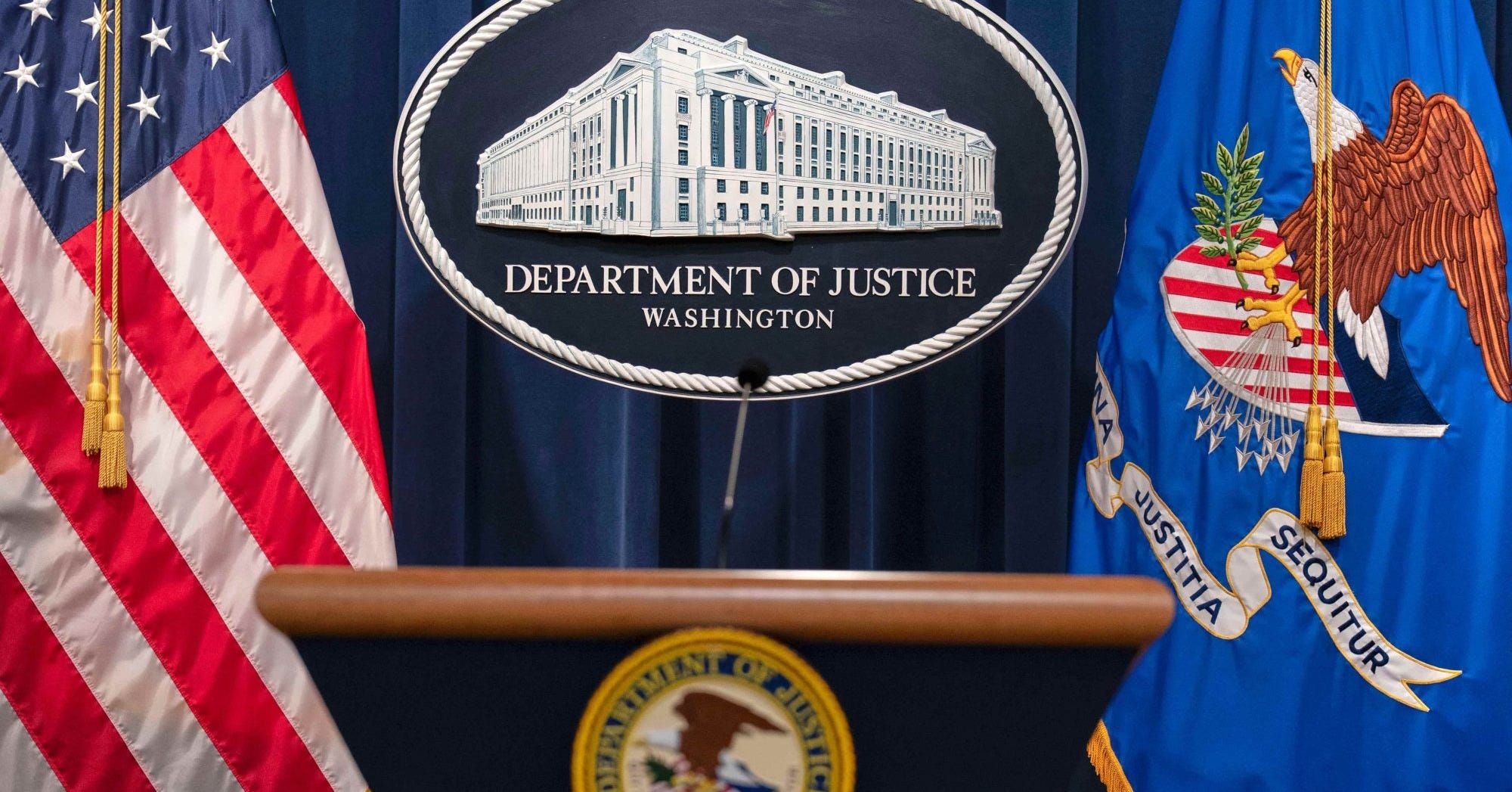
The Justice Department is applying a Civil War-era law to investigate corporate practices, a shift that has drawn sharp criticism from legal and business groups. According to current reporting, the DOJ is using the False Claims Act of 1863, a statute traditionally aimed at rooting out fraud against the federal government, to push companies to turn over records about their diversity, equity and inclusion (DEI) programs.
The stakes are high because the False Claims Act imposes penalties on companies found to have defrauded the government, with whistleblowers also able to bring suits. Critics argue this novel application represents an escalation in how far the Justice Department will go to scrutinize corporate behavior.
Multiple major employers, such as Alphabet and Verizon, have reportedly received civil investigative demands from DOJ lawyers seeking information about workplace policies and programs, according to local news reports and summaries of Wall Street Journal reporting.
The controversy stems from policy shifts made under the Trump administration, including executive orders aimed at ending certain DEI practices in government contracting and a memo directing DOJ’s Civil Rights and Fraud divisions to pursue what officials call Civil Rights Fraud Initiative cases.
Follow The Coffman Chronicle on NewsBreak for daily breaking political coverage.
Critics say the approach risks stretching a decades-old anti-fraud tool into a cudgel for enforcing social policy, a move that could chill corporate diversity initiatives. According to one legal commentary, this initiative marks a “weaponization” of the law beyond its traditional purpose.
“It’s a fundamentally novel use of the False Claims Act that raises questions about the proper limits of DOJ enforcement,” said a legal expert familiar with the matter.
The development matters because it signals how far the federal government may go in policing corporate conduct tied to federal funds. Its outcome could reshape how companies manage workplace programs and compliance. Follow-up is expected as companies respond to investigative demands and as any legal challenges unfold.
Here’s what happens next: the media will watch court filings and DOJ announcements for notable test cases and outcomes.
Follow The Coffman Chronicle on NewsBreak for daily breaking political coverage.