


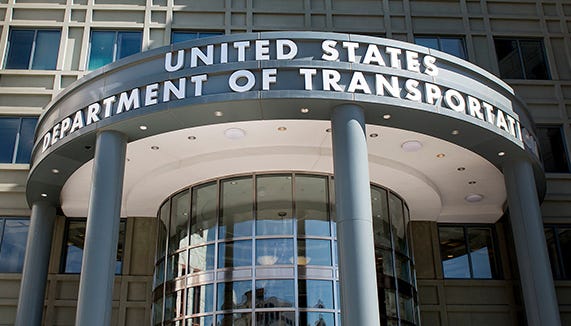
Two developments are drawing attention from policy analysts and public safety advocates: changes to safety regulations at the U.S. Department of Transportation and a continued decline in public trust in national news organizations. Both trends raise questions about oversight and public confidence in key institutions.
DOT Adjusts Safety Regulations
The U.S. Department of Transportation has delayed, modified, or withdrawn several proposed safety measures affecting highways and commercial transportation.
Notable changes include:
Pausing proposed speed limiter requirements for heavy trucks
Stepping back from the “Safe System Approach,” a road safety framework focused on reducing fatal accidents
Fewer new investigations into vehicle defects and safety compliance
Supporters of the changes argue they reduce regulatory burden and encourage operational flexibility. Critics warn that scaling back these measures could increase risks for drivers, commercial workers, and communities located near transportation corridors.
Transportation safety experts note that regulatory enforcement plays a key role in reducing traffic fatalities and serious injuries.
Public Trust in National News Continues to Decline
Recent survey data shows a steady drop in public confidence in national news organizations. Just over half of Americans report having some level of trust in national media sources, a decline from earlier in the year.
Trust in local news remains higher, though it has also experienced gradual erosion. Younger audiences, in particular, report turning more frequently to social media platforms for information.
Media analysts suggest this shift may impact how the public receives and evaluates critical policy and safety information.
Why These Trends Matter
Both developments point to evolving relationships between institutions and the public:
Adjustments to regulatory oversight affect infrastructure and transportation safety
Changing media trust influences how information is received and interpreted
These shifts do not necessarily indicate immediate crisis, but they do highlight areas where transparency, communication, and accountability may require increased attention.
What This Means for Communities
Communities may experience these trends through:
Changes in transportation safety standards
Greater reliance on alternative information sources
Increased importance of local reporting and civic engagement
Policies and public perception together influence how effectively institutions respond to safety concerns and emerging risks.
Bottom Line
Changes in transportation regulation and media trust reflect broader shifts in governance and communication. Monitoring how these trends develop will be important for understanding their long-term impact on public safety and institutional accountability.
Follow The Coffman Chronicle for clear, fact-based reporting on policy and public affairs.