


In an era defined by globalization and interdependence, the echoes of imperialism seem to increasingly rumble unnervingly through the corridors of power. Former President Trump’s comments on acquiring Greenland, annexing Canada, and reclaiming the Panama Canal reveal a troubling revival of colonial ambitions and a disregard for historical lessons. We must ask: where does this end? Just because one has the means, should they act without accountability?

This resurgence is starkly illustrated by Vladimir Putin, whose military aggression in Ukraine shows a blatant disregard for international law, aiming to expand Russia's territory and intimidate neighbors. Recent suggestions from Putin's allies to reclaim Alaska further heighten tensions between superpowers.
China embodies another facet of modern imperialism, evident in its tightening grip on Hong Kong. The 2019 protests symbolized a struggle for autonomy against rising authoritarianism, culminating in the repressive National Security Law of 2020. This shift erodes the freedoms Hongkongers enjoyed since British colonial rule, illustrating that imperialism manifests not just in territorial claims but in stifling the rights of people.
The scars of the 20th century remind us of the dangers of manipulative border disputes. Historical conflicts over territory and resources have caused immense suffering. This outdated imperial mindset continues to threaten international stability and humanity’s fabric.
This narrative is as pertinent in Africa and South America as it is in Eastern Europe and Asia. The legacies of colonialism in these regions are starkly evident, as many nations grapple with instability rooted in their histories of exploitation and territorial division. In Africa, arbitrary borders drawn by colonial powers—often with little regard for the cultural, ethnic, and linguistic realities of the continent—have sown discord that continues to manifest in conflict and civil strife. In Africa, conflicts rooted in colonial-era divisions, such as the Rwandan Genocide, highlight the long-lasting impacts of imperialism. In the Democratic Republic of Congo, resource exploitation perpetuates violence and poverty, with global complicity echoing colonial dynamics. Similarly, in South America, countries like Bolivia and Ecuador face socio-political unrest tied to foreign exploitation of natural resources. Indigenous populations suffer disproportionately as powerful nations profit.
It’s time to reject antiquated empire-building notions. History teaches us the cost of imperialism—cultural erasure and human suffering. It is doubtful that any nation will ever be fully content with the drawing of imaginary lines on a map, but enough blood has been spilled. Borders should not be redrawn for ambition. Instead, we must promote collaboration and understanding among nations.
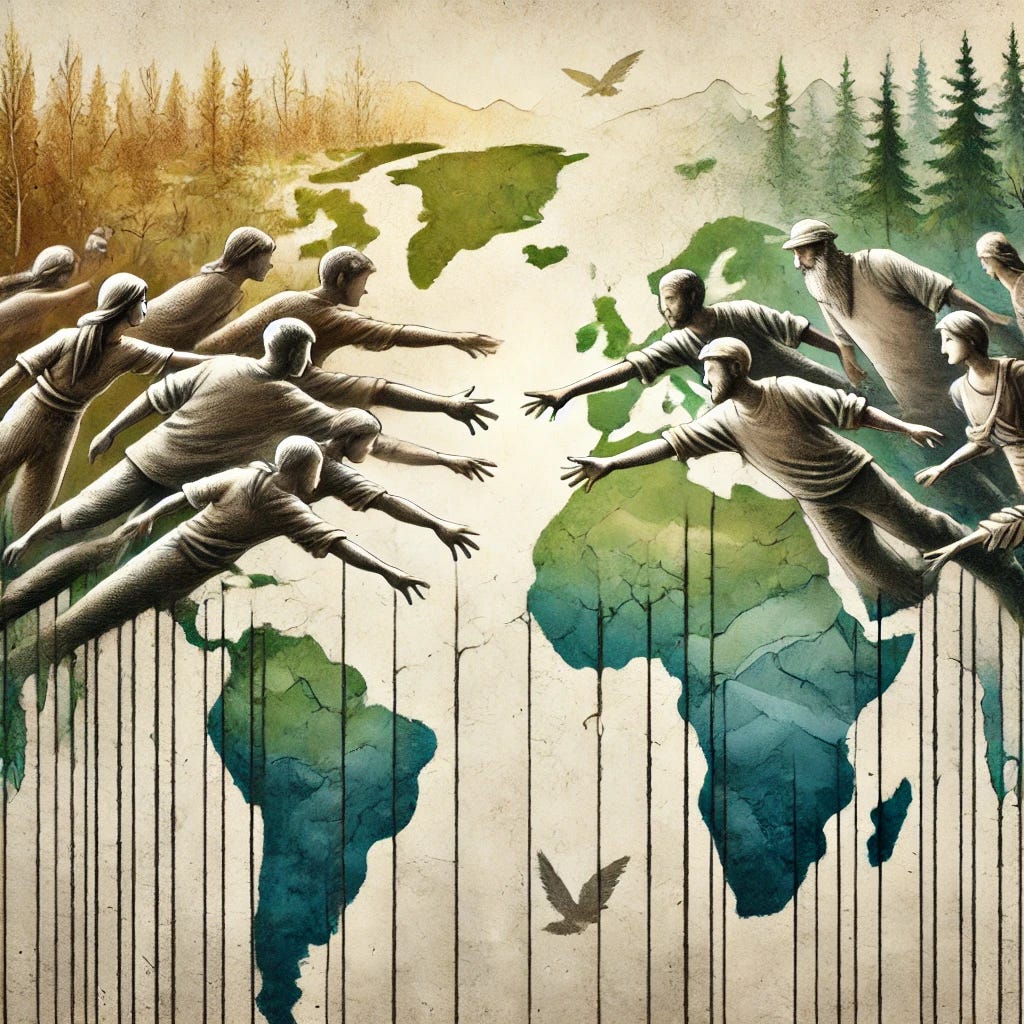
Recognizing and respecting existing borders and cultures is imperative. Diplomatic efforts should be prioritized over aggressive maneuvers. Supporting the sovereignty of nations like Ukraine and respecting Hong Kong's autonomy counters imperialistic rhetoric.
Let’s avoid falling into the trap of imperialism—a relic of brutal conquest and exploitation. Our focus must shift towards mutual respect and development, particularly for historically marginalized peoples. Understanding the consequences of imperialistic ambitions enables us to resist geopolitical maneuvers reminiscent of the past.
In an interconnected world, we must strive to end the cycle of imperialism, embracing cooperation over conquest. True strength lies in prioritizing the well-being of citizens and global communities rather than territorial ambition. The time for outdated imperial aspirations has passed; we must cultivate a global landscape founded on mutual respect and shared progress. The pursuit of colonial ambitions, especially by the wealthy, should not come at the expense of the struggling majority. Enough is enough.