


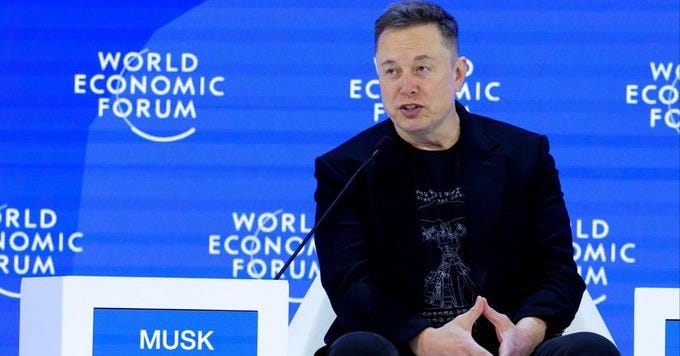
Elon Musk is facing immediate backlash after proposing a “universal high income” to address AI-driven job losses, arguing government checks could replace wages in an automated future.
The idea is drawing sharp criticism from economists who say the plan is unrealistic and financially dangerous.
Musk posted on X that federal payments would be “the best way” to deal with unemployment caused by AI, claiming robotics would produce enough goods and services to avoid inflation, according to Fox Business.
That assumption is now the central point of dispute.
Several economists rejected the premise outright, warning that large-scale payouts could destabilize economies and strain public finances, with critics arguing the policy could bankrupt governments if implemented broadly.
“He is so wrong on this,” said former Indian economic advisor Sanjeev Sanyal.
Subscribe free for daily political analysis they won’t broadcast. Join 110K+ readers →
The debate highlights a deeper divide over how AI will impact jobs, with some experts arguing automation will create new roles over time rather than eliminate work entirely, while others warn disruption could outpace adaptation.
At the same time, questions remain about whether universal payments would drive up competition for housing, education, and other limited resources, potentially worsening inequality instead of easing it.
Supporters of similar ideas, including figures in the tech industry, say AI-driven productivity could eventually fund broader income systems, though no clear model exists yet.
The proposal remains theoretical, with no government formally pursuing a “universal high income” policy.
For now, Musk’s comments are likely to intensify ongoing debates about automation, economic policy, and the future of work.
Download a FREE Pocket Constitution NOW →
