


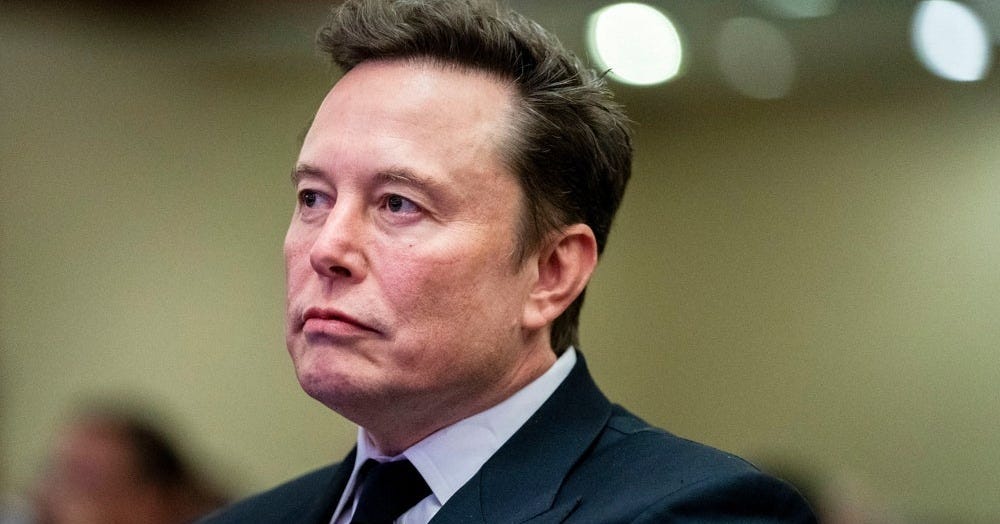
A California jury has reportedly rejected Elon Musk’s lawsuit targeting OpenAI and CEO Sam Altman, intensifying one of the most high-profile conflicts in the American technology industry.
The dispute centered on Musk’s argument that OpenAI moved away from its original nonprofit mission after becoming a dominant commercial AI company backed by major investment and aggressive product expansion. Musk, who helped launch OpenAI in its early years, has publicly criticized the company’s direction for months.
OpenAI and Altman have defended the organization’s evolution as necessary to compete in the increasingly expensive global AI race, where computing infrastructure, talent acquisition, and model development require billions of dollars in funding.
Subscribe free for daily political analysis they won’t broadcast. Join 110K+ readers →
The legal battle has become symbolic of a broader power struggle unfolding inside the AI sector. Rather than a typical corporate disagreement, the case reflects deeper tensions surrounding who controls advanced artificial intelligence systems and how much influence a small group of billionaires should have over technology increasingly shaping public life.
The fight also intersects with growing political pressure for stronger AI oversight in Washington. Lawmakers and regulators continue debating how to manage issues involving AI competition, corporate concentration, safety standards, and transparency as companies race to dominate the emerging market.
The significance goes beyond Musk and Altman personally. The case underscores how AI development is increasingly tied to elite financial power, legal maneuvering, and influence over the infrastructure that could shape future economies, labor markets, and public communication.
Subscribe free for daily political analysis they won’t broadcast. Join 110K+ readers →