


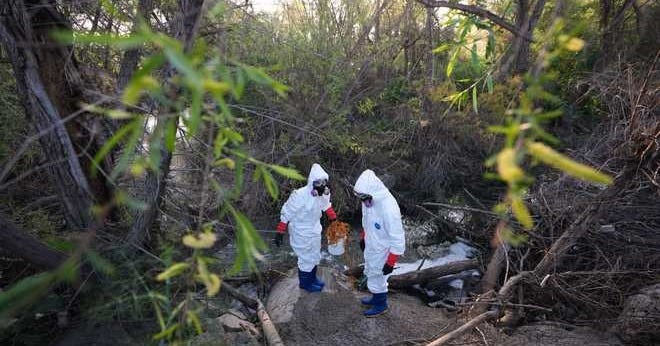
A toxic river flowing through Southern California is now linked to growing health concerns, as residents report worsening symptoms tied to long-term exposure.
The Tijuana River crisis has escalated into a public health conflict, with locals accusing officials of failing to act fast enough while contamination continues to spread.
According to the Associated Press, more than 100 billion gallons of sewage and industrial waste have entered the river since 2018, releasing hydrogen sulfide gas at levels exceeding state safety standards.
That gas exposure is now tied to headaches, respiratory illness, nausea, and reports of more severe neurological symptoms in high-exposure zones.
Subscribe free for daily political analysis they won’t broadcast. Join 110K+ readers →
“Most nights we breathe in a horrible stench,” resident Steve Egger said, according to AP News.
The stakes are widening as beaches remain closed, military personnel report illness, and doctors advise some residents to leave the area entirely.
The situation mirrors broader environmental risks across the U.S., where aging infrastructure and weak regulation leave millions exposed to contaminants like PFAS, arsenic, and lead, according to national investigations.
Federal and state agencies are working on long-term wastewater upgrades, but key safety regulations may not be in place until 2030, leaving uncertainty about continued exposure.
For now, residents remain caught between ongoing contamination and a cleanup timeline that may take years.
Download a FREE Pocket Constitution NOW →
