


EU countries have given their final approval to a law banning Russian gas imports, allowing the measure to become legally binding across the bloc as of Monday. According to Reuters, the vote in Brussels moves the European Union closer to ending energy ties with Russia amid its ongoing war in Ukraine.
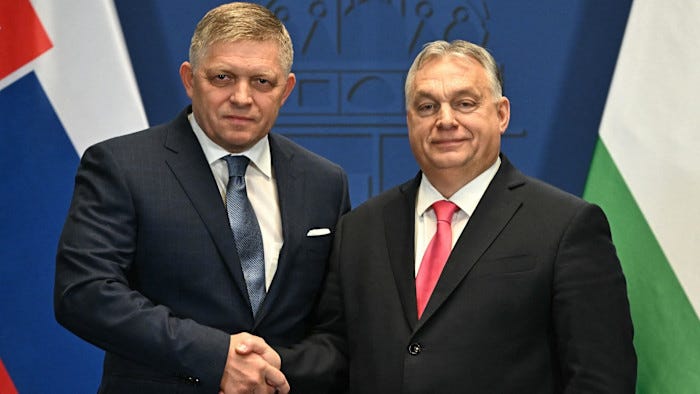
The approval came despite significant opposition from Slovakia and Hungary, who voted against the plan, and an abstention by Bulgaria, raising tensions over energy security and national interests. Hungary has said it intends to challenge the decision legally in Europe’s highest court.
Under the new law, Russian liquefied natural gas (LNG) imports must end by the close of 2026, with pipeline gas phased out by late 2027. Nations can seek a limited extension to Nov. 1, 2027 if they face challenges filling storage before winter.
Before Russia’s invasion of Ukraine in 2022, it supplied more than 40 % of the EU’s gas. That figure fell to around 13 % by 2025 as the bloc diversified supplies, according to the latest data.
Follow The Coffman Chronicle on NewsBreak for daily breaking political coverage.
“This legislation finally makes the EU’s long-standing energy diversification commitments enforceable,” an EU official said, underscoring the bloc’s shift away from Russian energy dependence.
The ban solidifies the EU’s broader strategy to weaken Russia’s economic footing by cutting energy revenues while encouraging renewable and alternative energy sources. However, member states like Hungary and Slovakia argue the shift could disrupt their energy systems without adequate alternatives.
Implementation will begin this year as member states adjust supply networks and seek new energy partnerships. Enforcement mechanisms and compliance monitoring are expected to roll out in the coming months. The law also includes safeguards allowing temporary relief for countries facing acute supply strains.
Follow The Coffman Chronicle on NewsBreak for daily breaking political coverage.