


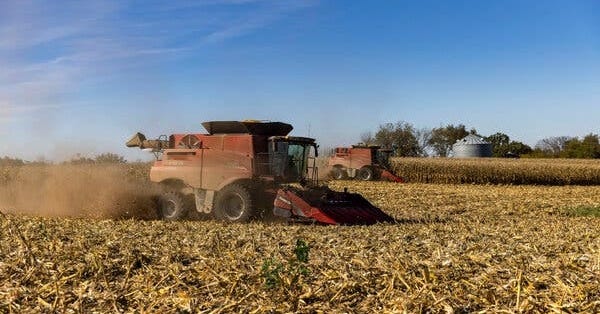
For many U.S. farmers, the prospect of a diplomatic breakthrough with Iran may arrive after the financial damage has already been done.
While easing tensions in the Middle East could reduce pressure on fuel, fertilizer, and transportation costs, producers across major agricultural regions say those potential savings are unlikely to offset years of declining profitability, weak commodity prices, and ongoing trade disruptions.
Soybean growers remain among the hardest hit. Export uncertainty linked to broader trade disputes has weighed on prices while many producers entered the 2026 season after several consecutive years of financial strain. Because many production costs were committed months earlier, lower energy prices now provide only limited relief for this year’s crop.
The economic pressure has also become a political issue.
Subscribe free for daily political analysis they won’t broadcast. Join 110K+ readers →
Rural America has traditionally formed an important part of Republican electoral strength, making farm conditions closely watched ahead of November’s congressional elections. At the same time, the Trump administration is seeking additional federal assistance for producers facing higher operating costs and continued market uncertainty. Reuters reports the proposal would add more than $11 billion in new agricultural support if approved by Congress.
The story extends beyond one international conflict.
The financial challenges affecting many farms began before the Iran fighting and reflect a combination of global commodity markets, trade policy, borrowing costs, and weather-related risks. A diplomatic agreement may improve conditions over time, but many producers say those benefits will arrive too late to materially change the economics of the current growing season.
For policymakers, the debate increasingly centers on whether temporary aid can bridge those losses, or whether broader structural issues facing American agriculture will continue beyond the current crisis.
Subscribe free for daily political analysis they won’t broadcast. Join 110K+ readers →