


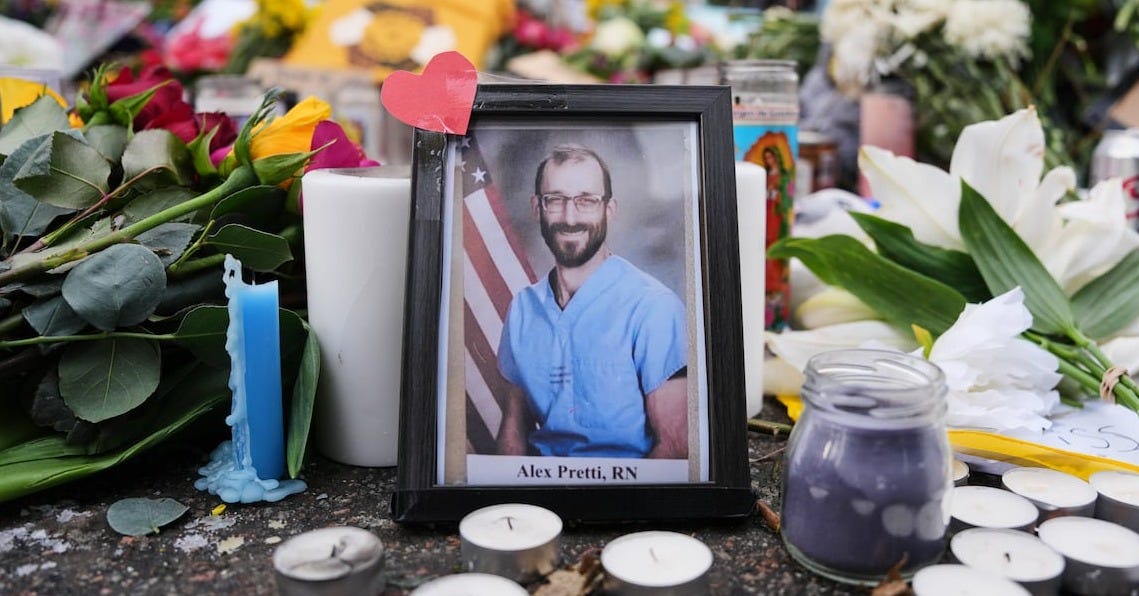
Minnesota officials say the FBI has formally refused to turn over evidence or information in the investigation of Alex Pretti’s killing — a development that deepens conflict between state and federal authorities. The announcement matters now because it directly affects the ability of Minnesota investigators to conduct an independent review of a controversial shooting.
The refusal comes as the state has been pressing for transparency and access after Pretti, a 37-year-old ICU nurse, was shot and killed by federal Customs and Border Protection officers in south Minneapolis on Jan. 24, during a heightened immigration enforcement operation.
In a statement Monday, the Minnesota Bureau of Criminal Apprehension (BCA) said the FBI informed it last week that it will not provide any materials related to the Pretti investigation, including evidence or information gathered by federal agents. The BCA described this refusal as “concerning and unprecedented,” and said it would pursue legal avenues to gain access.
Related: Rep. Ro Khanna Slams DHS “Hundreds” of Subpoenas Seeking Names of Anti-ICE Accounts
That stalemate comes after months of tension: state officials previously obtained a court order to prevent federal authorities from altering evidence — though that restraining order was later lifted — and local investigators have repeatedly been blocked from securing the scene or key materials.
“Minnesota needs impartial investigations into the shootings of American citizens on our streets,” said Governor Tim Walz, urging accountability and cooperation.
The fight over evidence amplifies broader questions about federal jurisdiction and transparency in cases involving federal law enforcement officers, especially after multiple controversial shootings in Minnesota this year.
Related: ICE Officers Face Perjury Probe After Minneapolis Charges Collapse
The BCA and county prosecutors say they will continue their own inquiries into Pretti’s death, even without federal cooperation, and are evaluating next legal steps to access information.
State leaders also expect ongoing community protests and legal challenges as the case progresses and pressure grows for independent oversight and accountability.