


WASHINGTON — A senior FBI official faced pointed questioning from lawmakers this week after naming “Antifa” as the top domestic terrorism concern in the United States while offering few concrete details about the group’s structure or leadership.
During a December 11 hearing before the House Homeland Security Committee, Michael Glasheen, operations director for the FBI’s National Security Branch, told lawmakers that investigations linked to Antifa have increased significantly this year. Glasheen said arrests connected to Antifa-related cases rose by approximately 171 percent, citing recent federal convictions in Texas tied to an attack on an Immigration and Customs Enforcement facility.
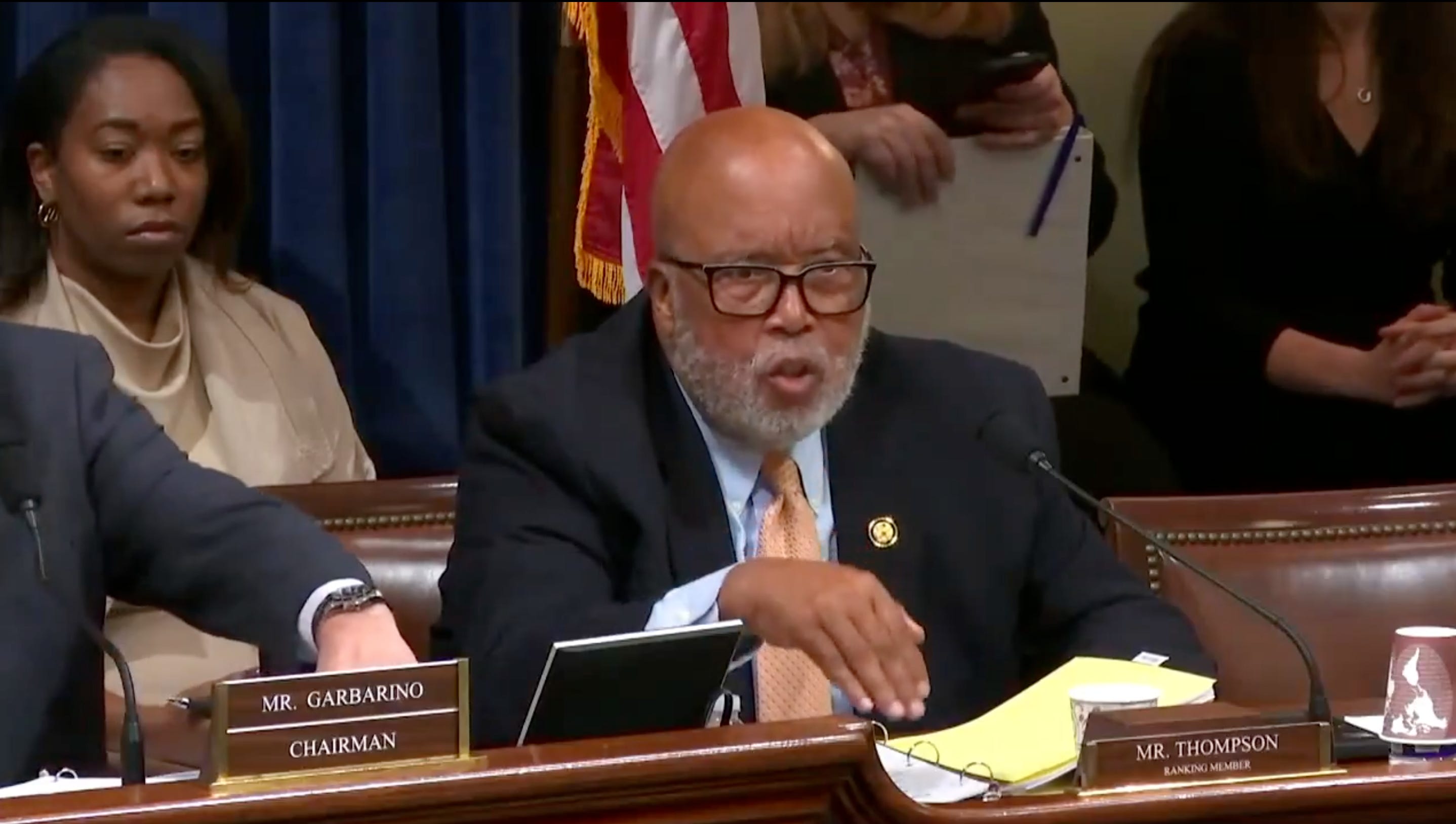
When pressed by Rep. Bennie Thompson (D-Miss.), the committee’s ranking member, to explain where Antifa is headquartered or how it is organized, Glasheen acknowledged the difficulty of defining the movement. He described Antifa as highly decentralized, comparing it to loosely affiliated extremist networks rather than a traditional organization with a command structure.
Asked directly where Antifa is based, Glasheen said the issue remains “fluid” and that the bureau is still developing its investigative framework to better understand how such networks operate. Thompson challenged the testimony, arguing that it was difficult for lawmakers to assess the scope of the threat without clearer evidence or organizational details.
The exchange highlighted ongoing partisan tensions over domestic extremism policy, particularly following President Donald Trump’s recent executive order directing federal agencies to treat Antifa as a domestic terrorist threat. Critics have questioned the legal foundation of the designation, noting that U.S. law does not formally recognize domestic terrorist organizations in the same way it does foreign groups.
Republican lawmakers on the panel pointed to arrests and convictions as evidence of growing violent activity, while Democrats raised concerns about broad labels and the potential for politically driven enforcement.
The hearing occurred amid broader debates over how federal agencies track domestic extremism and how threats are defined, measured, and communicated to Congress. FBI officials said investigations remain ongoing and declined to provide additional specifics during the public session.
Follow The Coffman Chronicle on NewsBreak for daily breaking political coverage.