


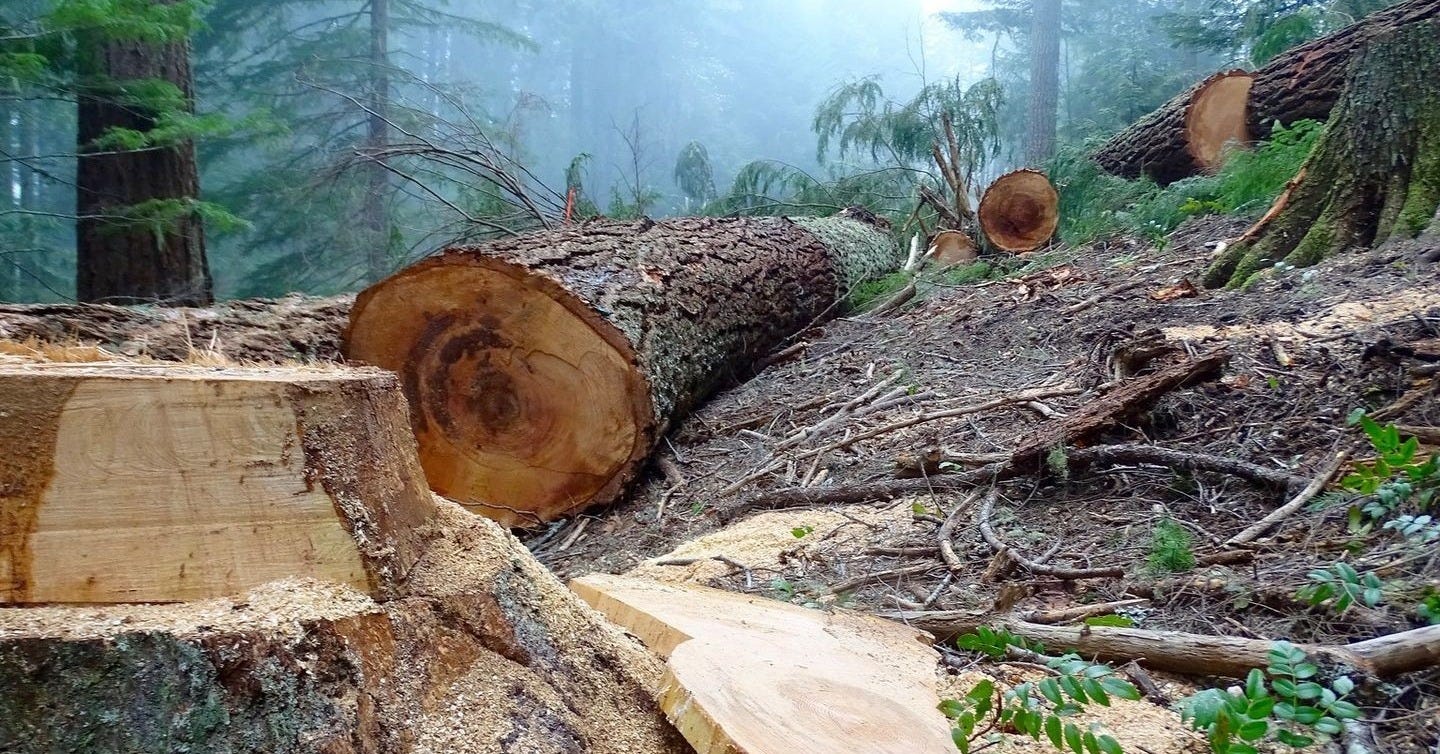
A federal judge has temporarily halted a logging project in Southern Oregon, intensifying Oregon’s growing dispute over old-growth forest protections, wildfire prevention strategies, and the economic future of rural timber communities.
The ruling stops work on a federally managed forest project that environmental groups challenged in court, arguing the operation threatened mature forest habitat and ecologically significant older trees. The injunction adds another legal flashpoint to the Pacific Northwest’s long-running battle over federal logging policy.
Environmental advocates argue old-growth forests play a critical role in biodiversity, watershed stability, carbon storage, and long-term climate resilience. They contend logging older forest areas can permanently alter ecosystems already strained by drought and increasingly severe wildfire seasons.
Timber industry advocates and some local officials argue selective logging and thinning projects are necessary to reduce wildfire fuel buildup while supporting regional economies that remain tied to forestry work and federal timber contracts.
Subscribe free for daily political analysis they won’t broadcast. Join 110K+ readers →
The decision carries significant implications beyond Southern Oregon. Similar disputes are emerging across the state as federal agencies face mounting legal and political pressure over how public forests should be managed amid climate concerns and worsening wildfire risks.
The case may also shape future environmental litigation involving old-growth logging projects throughout the Pacific Northwest, where courts are increasingly being asked to weigh conservation priorities against wildfire mitigation and economic development arguments.
Federal agencies and project supporters could appeal the ruling or revise project plans depending on the court’s next steps.
Subscribe free for daily political analysis they won’t broadcast. Join 110K+ readers →