


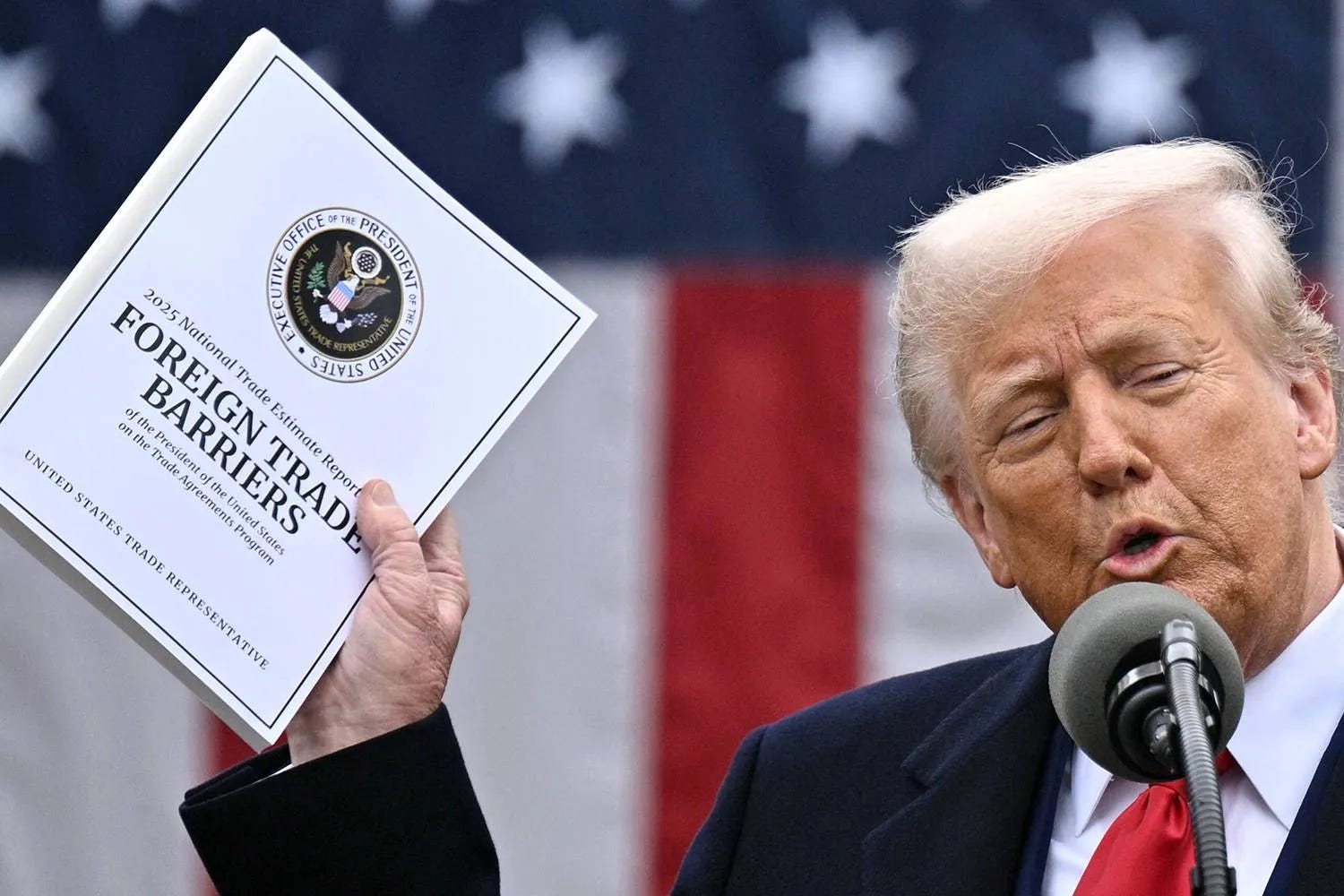
A federal court ruling has dealt a major legal setback to Donald Trump’s proposed global tariff strategy, challenging the constitutional and statutory authority behind broad import duties that became central to his economic agenda over the past year.
According to reporting on the ruling, the court struck down key portions of Trump’s proposed 10% universal tariff framework, raising new questions about how far presidential trade powers can extend without congressional approval.
The dispute centers on Trump’s push for aggressive trade restrictions, including broad tariffs on imported goods and expanded penalties targeting China and other foreign manufacturers. Trump repeatedly argued the tariffs would strengthen domestic production, reduce trade imbalances, and pressure foreign governments economically.
Opponents, including many economists and trade groups, warned the measures could increase consumer prices, disrupt supply chains, and add pressure to inflation at a time when households are already facing elevated costs.
Subscribe free for daily political analysis they won’t broadcast. Join 110K+ readers →
The ruling adds a new legal dimension to an issue that has become increasingly central to national economic policy debates. Courts have historically given presidents significant flexibility on trade enforcement under existing statutes, but the latest decision appears to question whether that authority has constitutional limits when applied broadly across global imports.
The legal battle is expected to continue through appeals, and the outcome could shape future presidential authority over tariffs, trade restrictions, and emergency economic actions.
The case also arrives as tariffs remain a major campaign issue ahead of the next election cycle, with Trump continuing to frame trade protectionism as a core part of his economic platform.
Subscribe free for daily political analysis they won’t broadcast. Join 110K+ readers →