


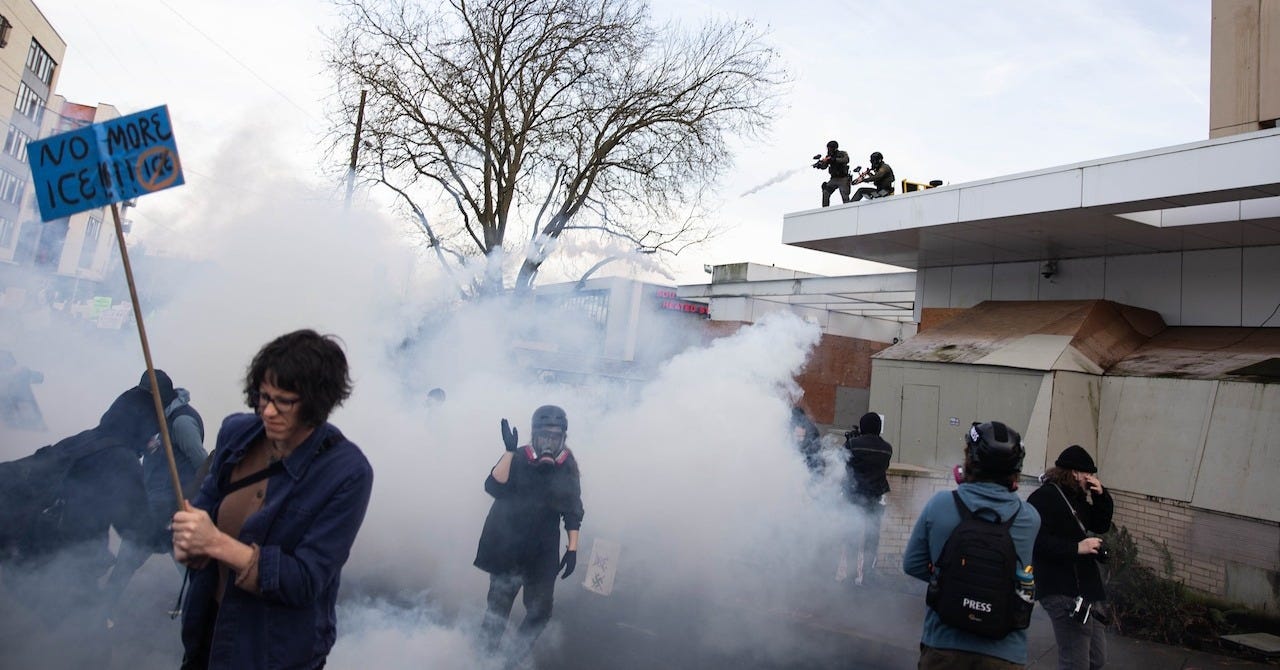
A federal judge in Portland, Oregon has imposed a temporary restraining order limiting how Immigration and Customs Enforcement (ICE) and other federal agents use force against protesters and journalists at demonstrations outside the ICE facility. The action, issued by U.S. District Judge Michael H. Simon on Feb. 3–4, 2026, responds to allegations of excessive force and potential constitutional violations, and takes effect immediately.
Tensions have escalated in recent weeks as federal agents used tear gas, rubber bullets and pepper balls on crowds that included children, elderly participants and members of the press, drawing sharp criticism from local officials and civil liberties advocates. The American Civil Liberties Union of Oregon filed a lawsuit alleging that these tactics chilled First Amendment rights of speech, press and assembly.
Judge Simon’s order prohibits the use of tear gas, pepper balls, flashbangs and other less-lethal projectiles against individuals who are not posing an imminent threat of physical harm. It also specifically limits firing such munitions at the head, neck or torso unless the officer is legally justified in using deadly force. The TRO will remain in place for 14 days pending further court proceedings.
Follow The Coffman Chronicle on NewsBreak for daily breaking political coverage.
Local leaders have condemned the federal approach. Portland’s mayor released statements calling for federal agents to leave the city and blaming aggressive tactics for escalating conflict.
The court’s order underscores the judiciary’s role in balancing federal law enforcement authority with constitutional safeguards for protest activity and press coverage. It arrives amid a broader national debate and parallel legal challenges over federal agents’ use of force in cities like Minneapolis and Chicago.
Federal officials have not publicly commented on Simon’s ruling, and the legal fight is expected to continue in court, with arguments likely over the scope and duration of the restraining order. What happens next: Additional hearings on the ACLU’s motion for a preliminary injunction are expected before the 14-day limit expires.
Follow The Coffman Chronicle on NewsBreak for daily breaking political coverage.