


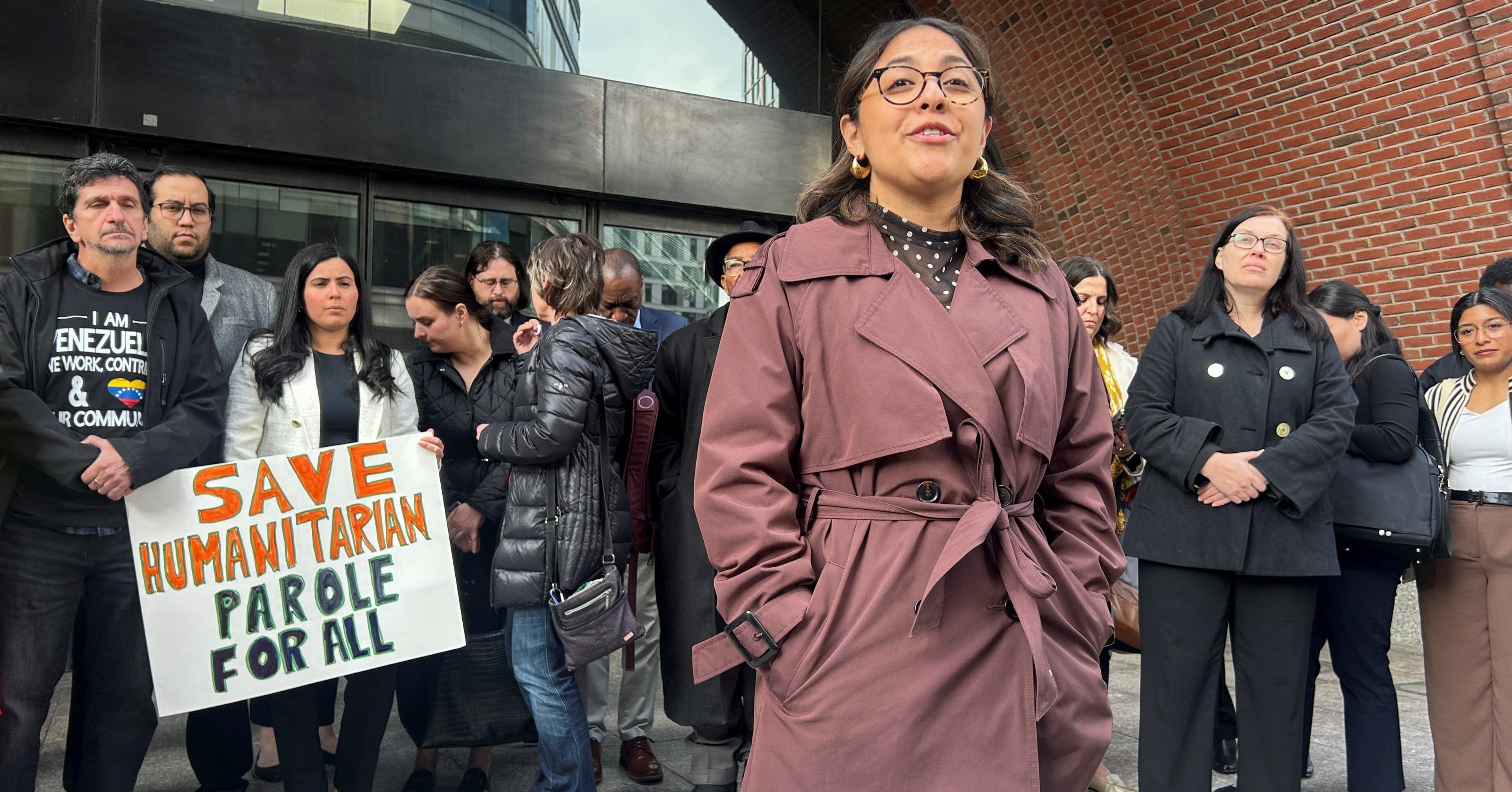
A federal judge has struck down immigration-processing policies that affected immigrants from 39 countries, handing a legal victory to applicants whose cases had been delayed while exposing the broader conflict over immigration policy in the United States.
The ruling targeted policies that had stalled decisions involving asylum applications, work permits, green cards, and citizenship requests. According to the court, the restrictions unlawfully treated applicants differently based on national origin and failed to comply with governing immigration laws and regulations.
For many immigrants, the decision represents a potential reopening of pathways that had remained frozen for months. Immigration-rights organizations involved in the litigation argued that applicants who followed legal procedures were left in limbo despite meeting requirements established by federal law.
The case reflects a larger struggle playing out across courts, federal agencies, and Congress. Immigration disputes increasingly center on executive authority, asylum eligibility, detention practices, border enforcement, and legal immigration processing.
Subscribe free for daily political analysis they won’t broadcast. Join 110K+ readers →
Recent controversies have included immigration court backlogs, expanded detention efforts, asylum disputes, and challenges to enforcement practices at immigration courthouses.
Supporters of stricter immigration controls argue federal officials require broad authority to address security concerns and manage immigration systems. Immigration advocates counter that administrative restrictions cannot override protections established by statute and due-process requirements.
The latest ruling does not settle that debate. Appeals remain possible, and immigration policy continues to be one of the most heavily litigated areas of federal law.
What the decision does provide is a reminder that courts remain a central battleground in determining who can remain in the United States and under what conditions.
Subscribe free for daily political analysis they won’t broadcast. Join 110K+ readers →