


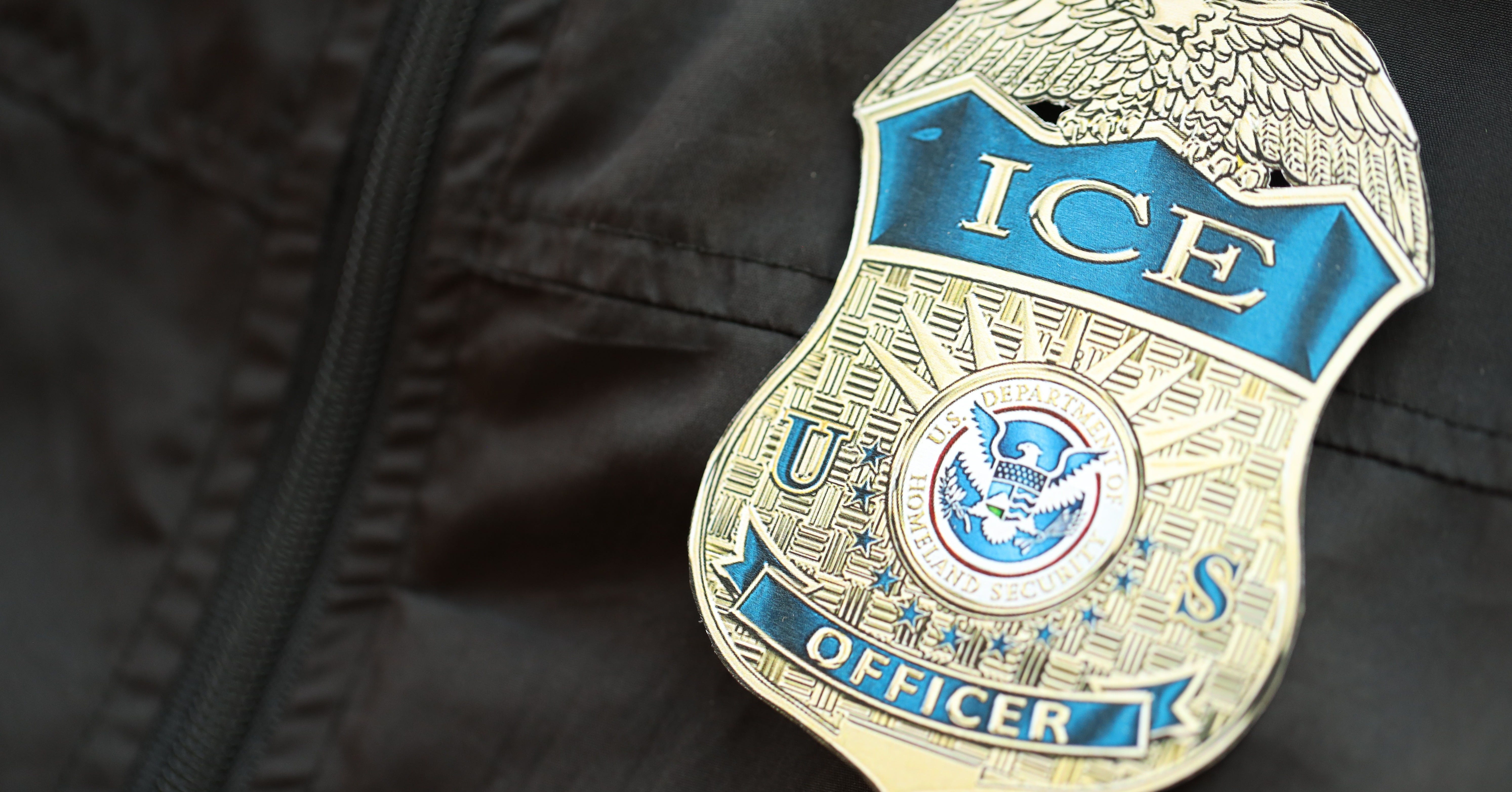
A federal judge has temporarily prevented New York from enforcing a law that barred federal immigration agents from wearing masks and required them to display visible identification during public operations.
U.S. District Judge Mae D’Agostino granted the federal government a preliminary injunction Monday. She concluded that the Justice Department was likely to succeed in arguing that the provisions directly regulated federal officers and therefore conflicted with the Constitution’s Supremacy Clause.
The order means New York officials cannot arrest or penalize ICE and other federal agents under those provisions while the legal challenge proceeds. It is not a final judgment on the law.
D’Agostino distinguished the constitutional dispute from the policy debate surrounding masked officers. The question before the court was not whether transparent policing is preferable, but whether a state can control the operating practices of federal personnel.
Subscribe free for daily political analysis they won’t broadcast. Join 110K+ readers →
New York adopted the mask and identification requirements as part of an immigration policy package signed by Gov. Kathy Hochul in May. State officials described the measures as protections against unaccountable enforcement. The Justice Department sued in June, arguing that masks can protect federal personnel from harassment, identification campaigns and retaliation.
Hochul and Attorney General Letitia James said after the ruling that they remain convinced masked agents do not make New York safer and that their offices are reviewing available legal options. The New York Immigration Coalition separately argued that unidentified officers create public-safety and accountability risks.
The ruling did not block the entire package. Restrictions on formal cooperation between local police agencies and federal civil immigration enforcement can continue.
The lawsuit now moves forward toward additional briefing, possible appeals and a final decision on the merits. Similar disputes in California, Philadelphia and other jurisdictions indicate that the constitutional conflict may extend beyond New York.
Subscribe free for daily political analysis they won’t broadcast. Join 110K+ readers →