

Federal Judge Limits ICE Arrests at New York Immigration Courts Amid Due Process Fight

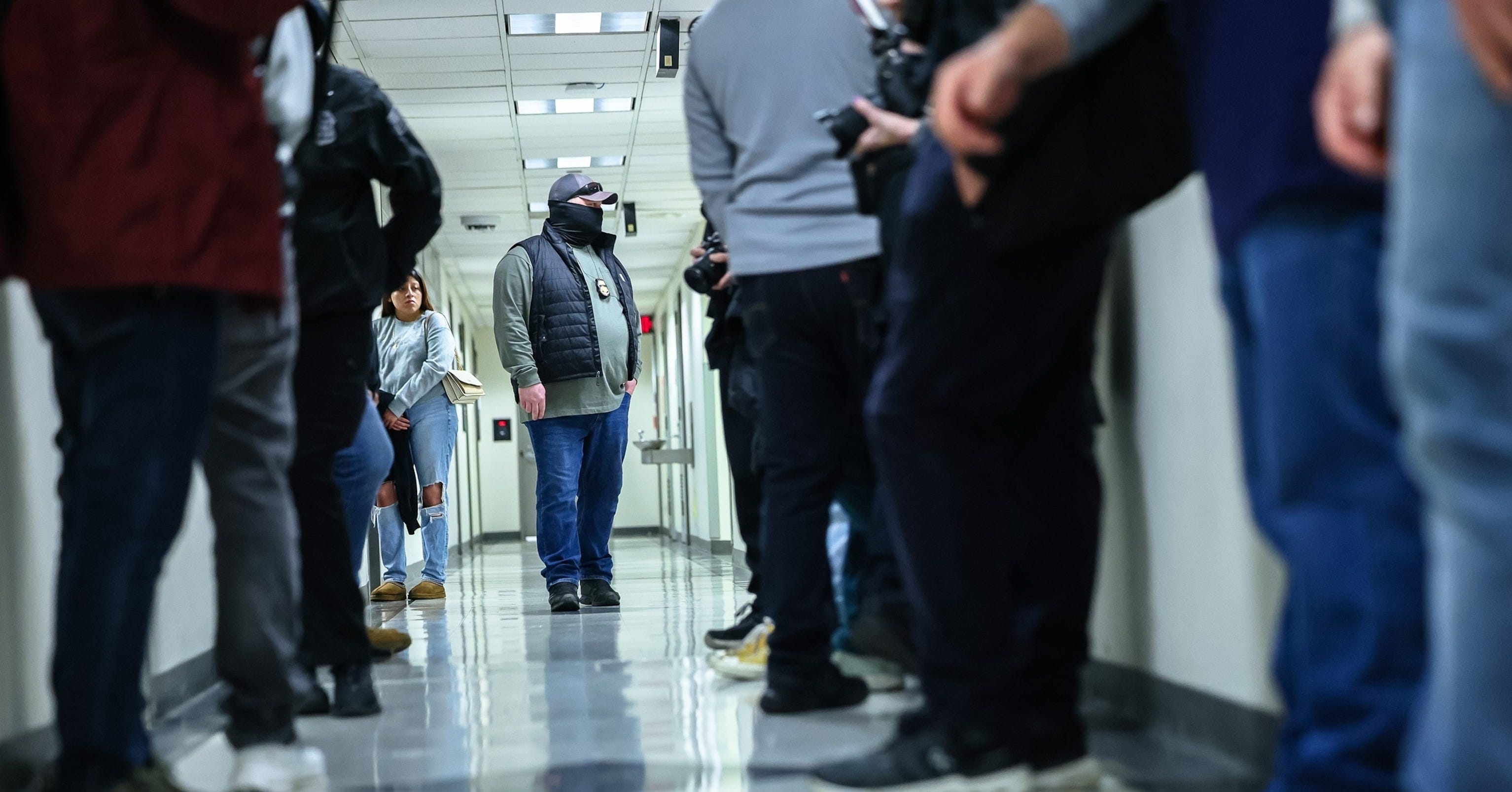
A federal judge in New York has barred most arrests by federal agents in and around three Manhattan immigration court locations, delivering a major legal setback to a Trump administration enforcement tactic that targeted people appearing for immigration proceedings.
U.S. District Judge P. Kevin Castel ruled that agents generally cannot make arrests at or near immigration courts at 26 Federal Plaza, 201 Varick Street and 290 Broadway unless exceptional circumstances apply. The order brings an abrupt halt to a practice that allowed federal agents to detain people who had shown up for required immigration hearings.
The ruling limits where and when federal agents can make arrests around the covered immigration courts. It does not create a nationwide ban, and it does not prevent arrests in every immigration setting. But it sharply narrows enforcement activity at three high-profile Manhattan locations.
The decision also carries broader policy stakes. Immigration courts depend on people appearing for hearings, including asylum seekers and others trying to resolve their legal status. Civil rights groups have argued that courthouse arrests can discourage people from attending mandatory proceedings and undermine access to due process.
Subscribe free for daily political analysis they won’t broadcast. Join 110K+ readers →
Castel had previously declined to block the practice. But government lawyers later reversed course, acknowledging that a 2025 ICE courthouse-arrest policy they had cited did not apply to immigration courts. Courthouse News reported that prosecutors apologized for a “material mistaken statement of fact,” and Castel said the issue required reexamination to correct clear error and prevent injustice.
The ruling comes as immigration enforcement remains one of the sharpest legal and political fights in the country. Courts in multiple states have been asked to decide how far federal and state officials can go in arresting, detaining or removing immigrants.
For New York, the immediate question is whether the order changes day-to-day enforcement around immigration court, and whether the administration appeals.
Subscribe free for daily political analysis they won’t broadcast. Join 110K+ readers →