


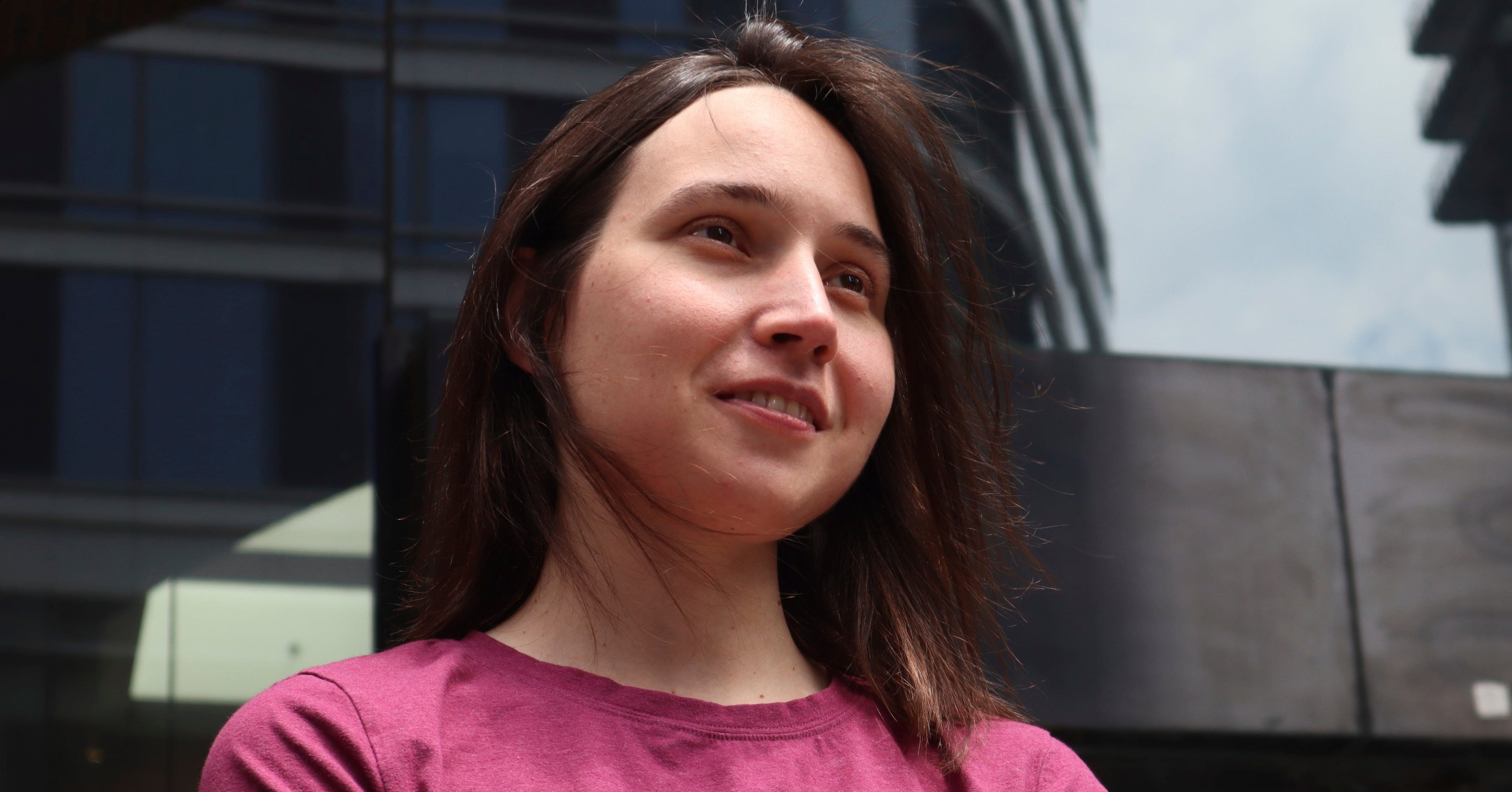
A federal judge has ruled that U.S. authorities unlawfully canceled a Harvard scientist’s visa, handing her a major legal win while raising new questions about immigration enforcement.
The decision puts pressure on how far federal agencies can go at the border, especially when visa holders are detained over alleged minor violations.
According to the Associated Press, U.S. District Judge Christina Reiss found that Customs and Border Protection improperly revoked Kseniia Petrova’s visa after she was stopped at Boston Logan Airport carrying frog embryo samples from France.
The court determined the visa cancellation was based solely on the samples and labeled the action “arbitrary and capricious,” saying the agency exceeded its authority.
Subscribe free for daily political analysis they won’t broadcast. Join 110K+ readers →
But the ruling leaves a major complication unresolved, as Petrova still faces federal criminal charges related to the same incident.
“This was an unlawful visa cancellation that should never have happened,” her attorney Gregory Romanovsky said.
The case is now being closely watched because it highlights a broader pattern of aggressive enforcement during the Trump administration, particularly involving foreign academics and researchers.
Legal experts say the ruling reinforces limits on government power, especially when immigration actions intersect with constitutional protections like due process.
What happens next will likely unfold in federal court, where Petrova’s criminal case continues alongside the fallout from the visa ruling.
The outcome could shape how similar cases are handled going forward.
Download a FREE Pocket Constitution NOW →
