


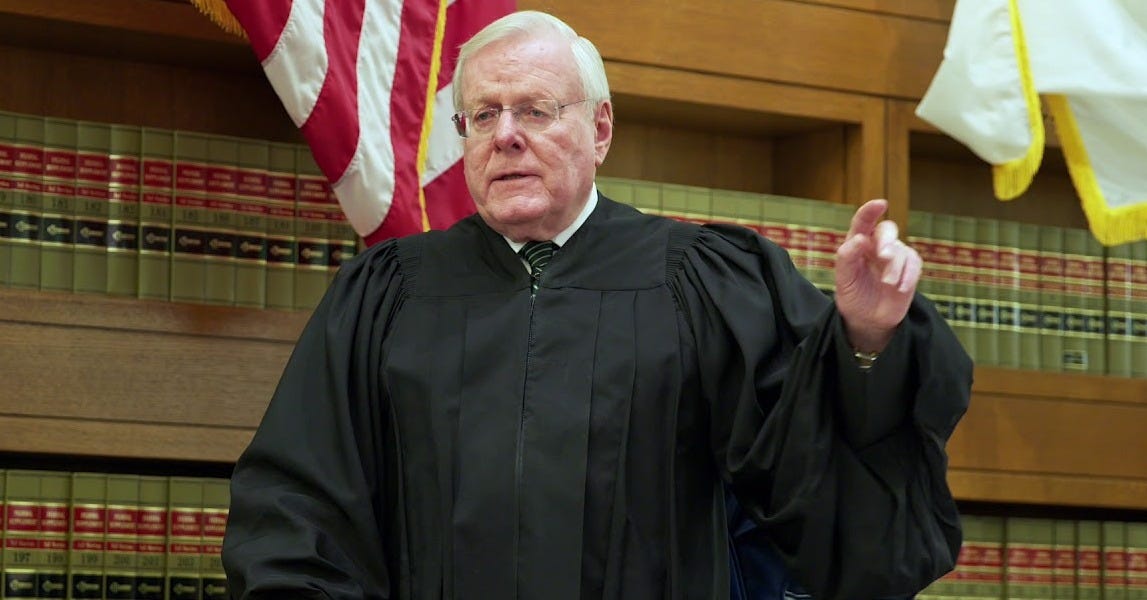
A federal judge in Boston on Thursday warned the Trump administration that it cannot retaliate against plaintiffs in a First Amendment lawsuit by altering their immigration status, a decision that could reshape how political speech by non-citizens is protected.
The ruling raises conflict between broad immigration enforcement powers and constitutional speech rights as international students and academics continue to challenge alleged punitive actions tied to their activism.
According to the Associated Press, U.S. District Judge William Young ruled that members of university associations who are non-U.S. citizens may ask the court for relief if the government changes their immigration status as retaliation for participating in the lawsuit.
Young’s order follows a trial last year in which he found the Trump administration violated the Constitution by targeting non-citizens for deportation based on pro-Palestinian advocacy on college campuses.
The judge said any attempt to alter a plaintiff’s immigration status will be presumed punitive, unless the government proves it was due to crime, visa expiration, or another valid reason.
Follow The Coffman Chronicle on NewsBreak for daily breaking political coverage.
“The big problem in this case is that there doesn’t seem to be an understanding of what the First Amendment is by this government,” Young said in court.
This matters because non-citizens lawfully present in the U.S. are entitled to the same constitutional protections as citizens, a principle at the core of this landmark litigation. The decision could limit how immigration agencies pursue cases involving politically active students and scholars.
The Trump administration has signaled it may appeal Young’s sanction order, and further hearings are expected as both sides prepare for the next phase.
In the meantime, plaintiffs and advocacy groups will closely watch whether any changes to immigration status trigger new legal challenges.
The judge’s ruling leaves open what comes next in the ongoing litigation and how it could affect future immigration enforcement actions.
Follow The Coffman Chronicle on NewsBreak for daily breaking political coverage.