


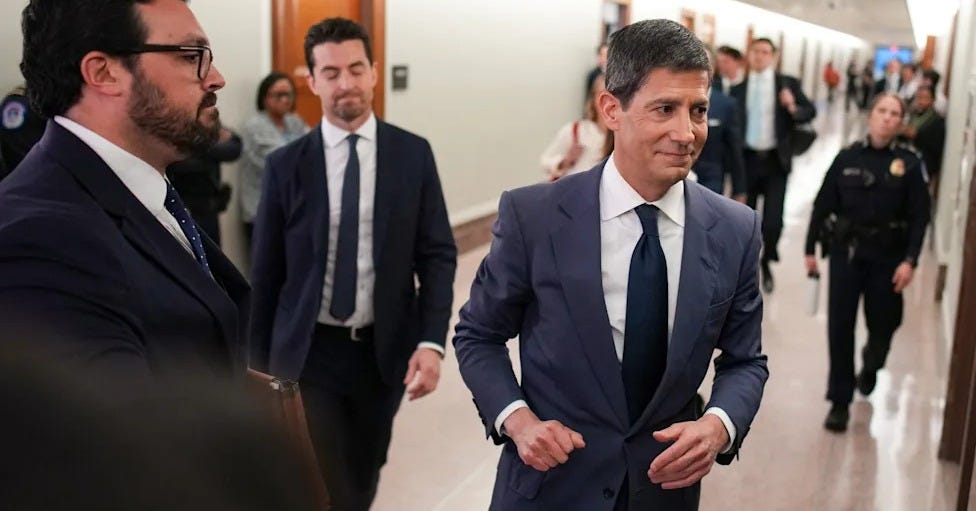
A renewed rise in U.S. inflation is placing immediate pressure on Federal Reserve Chair Kevin Warsh ahead of his first Federal Open Market Committee meeting, with investors increasingly questioning whether interest-rate cuts remain realistic in the near term.
Recent inflation data showed prices accelerating, with gasoline and energy costs accounting for a large share of the increase. The development has complicated expectations that the Federal Reserve could begin easing monetary policy this year. Instead, some analysts now believe rates may remain elevated longer than previously anticipated.
For households, the implications extend well beyond fuel prices.
Subscribe free for daily political analysis they won’t broadcast. Join 110K+ readers →
Higher inflation typically makes it harder for the Federal Reserve to lower interest rates. That can keep mortgage rates, credit-card borrowing costs, auto loans, and business financing more expensive. Consumers may also face continued pressure from elevated prices across everyday goods and services if inflation spreads beyond energy.
Financial markets are closely watching how Warsh responds. Investors are looking for clues about whether the Fed views current inflation pressures as temporary or persistent. Any indication that policymakers are shifting toward a more hawkish stance could affect stock valuations, bond yields, and borrowing costs throughout the economy.
Economists also note that inflation creates a difficult balancing act. Moving too aggressively against inflation risks slowing economic growth, while moving too slowly risks allowing higher prices to become more entrenched.
The upcoming meeting is expected to provide the clearest indication yet of how Warsh intends to navigate that challenge.
Subscribe free for daily political analysis they won’t broadcast. Join 110K+ readers →