


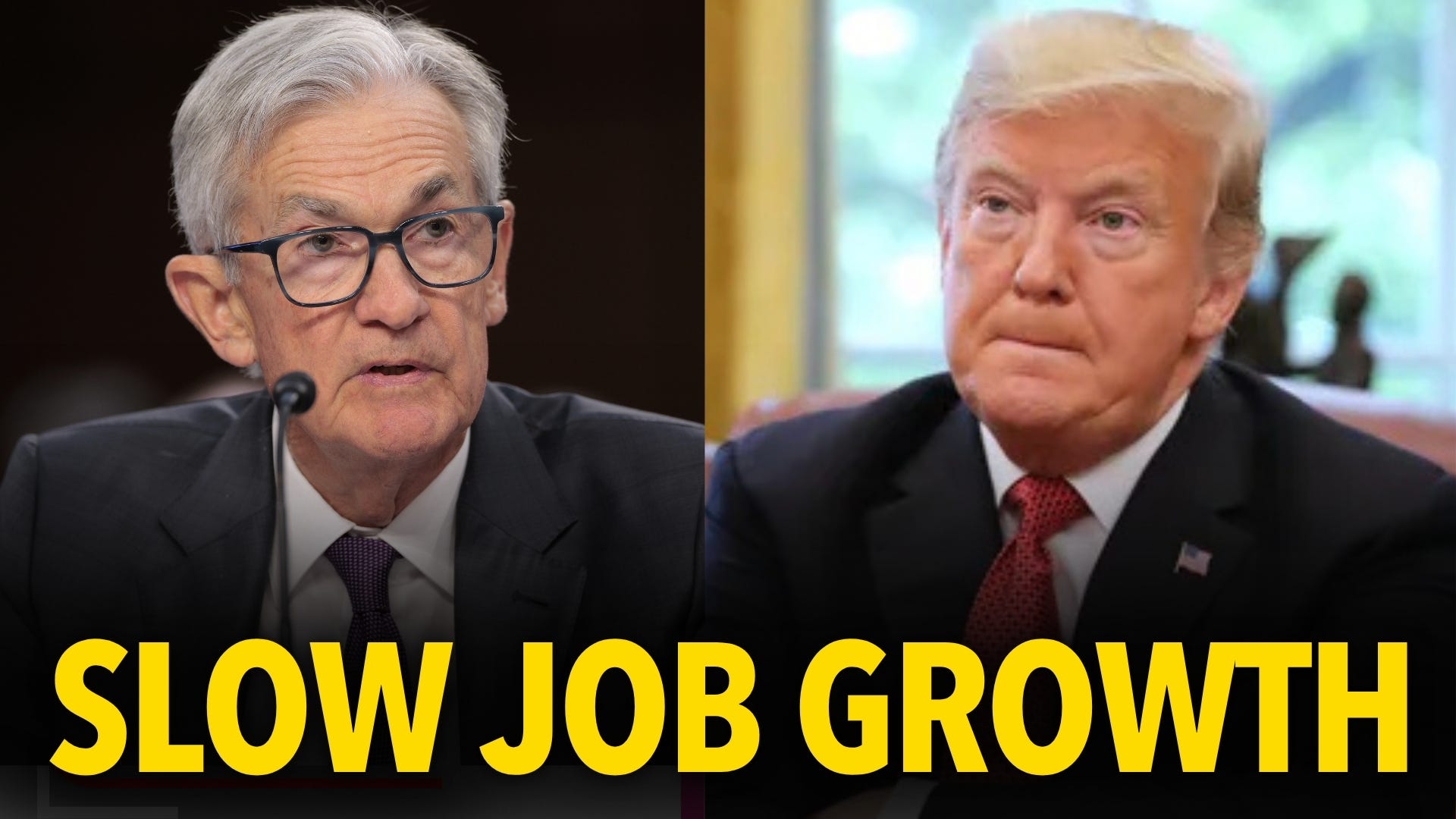
A new analysis from the Federal Reserve warns that recently announced tariff actions could slow job growth through 2026, citing higher input costs for businesses and continued uncertainty across manufacturing and agricultural sectors.
According to the report, released this week by Federal Reserve economists, expanded import tariffs may lead companies to scale back hiring plans, delay investments, or pass higher production costs to consumers. The analysis notes that certain industries—particularly those reliant on imported materials or international supply chains—may feel the impact more quickly than others.
Related: Trump says prices are down — but the Grinch called, and he wants his economic policy back.
Researchers found that employers in sectors such as retail, food processing, and transportation could face higher operating costs within the coming months. In some cases, the increased expenses may lead to reduced hours, slower wage growth, or postponed hiring, especially for entry-level and mid-skill jobs.
The Federal Reserve also cited ongoing challenges for exporters, who may encounter retaliatory trade measures or weakening demand in overseas markets. Agricultural producers, especially those in soybean, beef, and grain markets, remain vulnerable to fluctuations in global pricing and international competition.
The report emphasized that the full economic impact will depend on how long the tariffs remain in place and whether additional measures are introduced. While some domestic industries could see short-term gains from reduced foreign competition, economists noted that broad, long-term tariff expansion typically leads to slower overall job creation.
Policymakers are expected to review the analysis as part of upcoming economic briefings. Several members of Congress have called for further study on the potential effects of new trade actions, particularly in regions where job growth has lagged behind the national average.
The Federal Reserve said it will continue monitoring employment, wage trends, and consumer prices as part of its regular economic forecasting throughout 2026.