


Federal prosecutors say fraud in Minnesota-administered Medicaid and social service programs could total more than $9 billion, calling the scope “industrial-scale” and raising fresh questions about oversight of taxpayer funds.
At a Thursday press conference, First Assistant U.S. Attorney Joe Thompson revealed his office has charged additional defendants in ongoing fraud schemes and suggested that half or more of the $18 billion billed across 14 state Medicaid programs since 2018 may have been fraudulent.
Thompson said investigators are still quantifying the total but warned the magnitude of the fraud “cannot be overstated,” noting that the schemes go beyond traditional overbilling to include shell providers and fictitious services that drained billions from programs meant to help vulnerable Minnesotans.
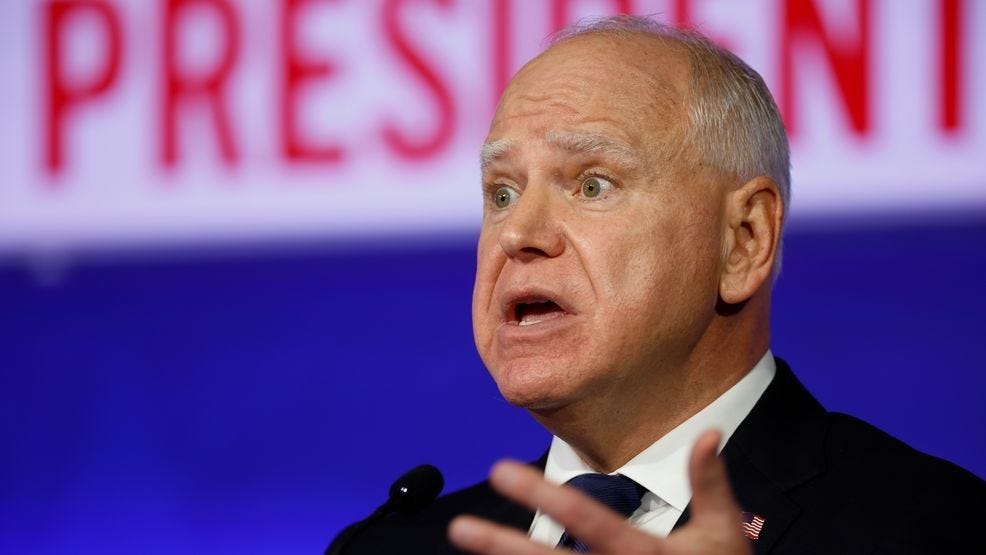
The federal assessment immediately drew pushback from state leaders. On Friday, Governor Tim Walz, Minnesota Department of Human Services officials and the DHS inspector general said they have not seen evidence to support a multibillion-dollar fraud figure.
“We don’t have evidence in hand to suggest we have $9 billion worth of Medicaid fraud,” said DHS Inspector General James Clark, urging federal prosecutors to share documented proof so the state can act to stop improper payments.
Follow The Coffman Chronicle on NewsBreak for daily breaking political coverage.
That dispute puts a spotlight on long-running investigations into fraud in Minnesota, including high-profile cases involving autism services, housing stabilization programs, and the COVID-era Feeding Our Future scandal that exposed weaknesses in program oversight.
Experts say the differing figures could reflect the early stage of complex audits and the challenge of distinguishing confirmed fraud from preliminary estimates.
The competing claims also have political implications, with state officials asserting they are addressing fraud while federal prosecutors push for broader accountability and enforcement.
What happens next?
Investigators plan further audits of the identified programs and prosecutors are expected to announce additional charges as evidence is developed.
Follow The Coffman Chronicle on NewsBreak for daily breaking political coverage.