


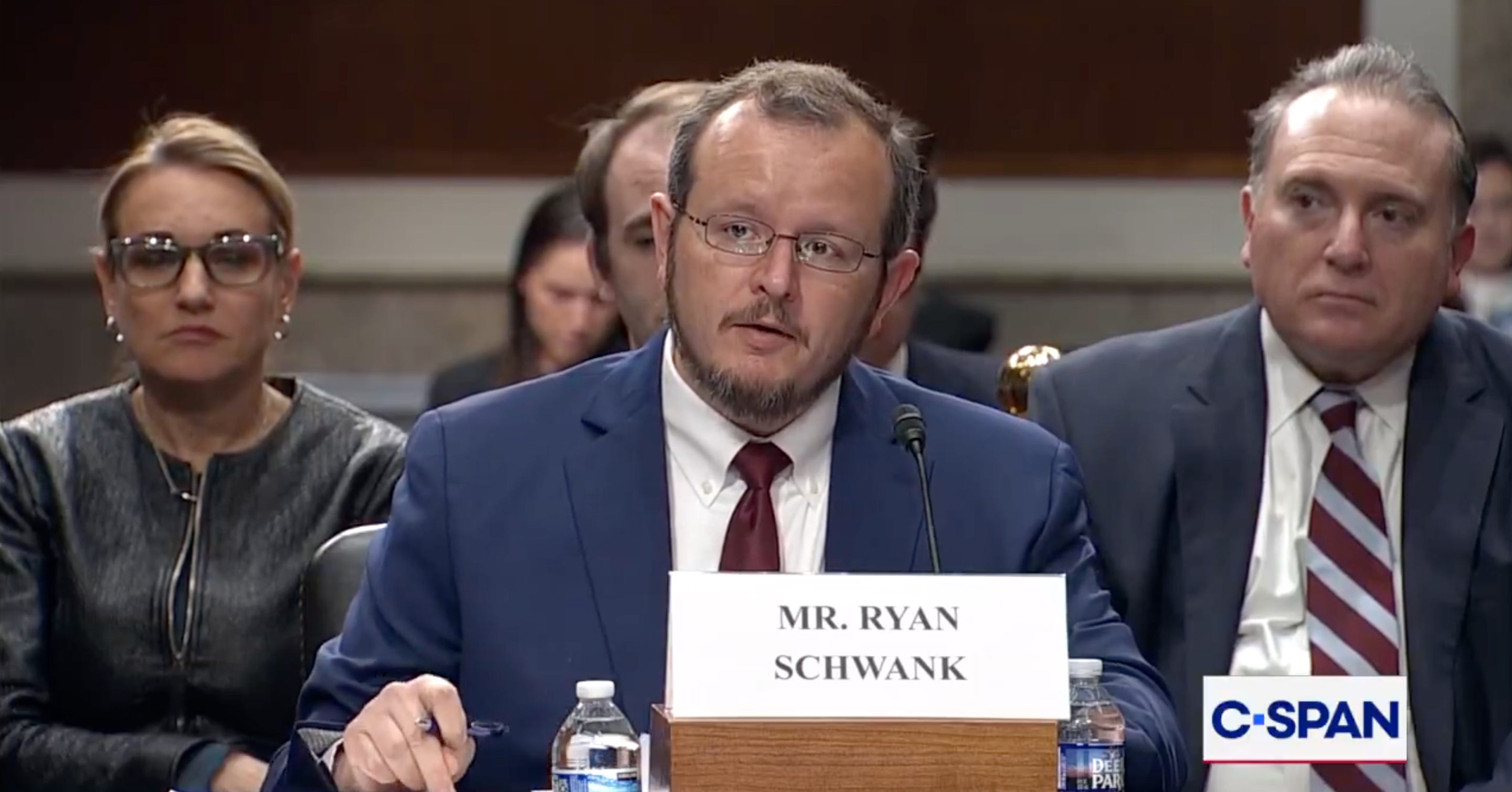
A whistleblower’s testimony Monday put new spotlight on U.S. Immigration and Customs Enforcement training standards and constitutional concerns. Former ICE attorney and instructor Ryan Schwank told a congressional forum that the agency’s basic training program is “deficient, defective and broken,” and that key instructional content had been removed even as recruits are still graduating.
Schwank’s comments came during a hearing organized by Democratic lawmakers investigating ICE’s training practices. He said the academy cut hundreds of hours of curriculum and practical exams, including classes on legal limits of authority and lawful arrests, even as the agency expands its ranks rapidly.
He also asserted that at least one internal policy he was shown — and asked to teach — instructed trainees on tactics he believes would violate the U.S. Constitution, such as entering homes with administrative rather than judicial warrants.
Related: Whistleblower: ICE Is Letting New Officers Graduate With “Defective” Training, Docs Show
According to documents shared with lawmakers, the training schedule shrank from roughly 72 days to 42 days, and ICE eliminated many practical assessments that once tested recruits on use of force and legal enforcement procedures.
ICE and the Department of Homeland Security strongly rebutted the testimony, saying essential subject matter hasn’t been removed and that recruits still receive comprehensive constitutional and safety instruction.
Schwank’s allegations are landing at a tense moment, with ongoing scrutiny of federal immigration enforcement after several controversial incidents and a national debate over ICE’s role.
His remarks are expected to intensify calls from lawmakers for oversight, possible hearings on agency leadership decisions, and reviews of training standards. Lawmakers said more documentary disclosures and testimony sessions are likely in the coming weeks.
Related: ICE Pushed Violent Tactics. The Public Refused to Take the Same Path.