


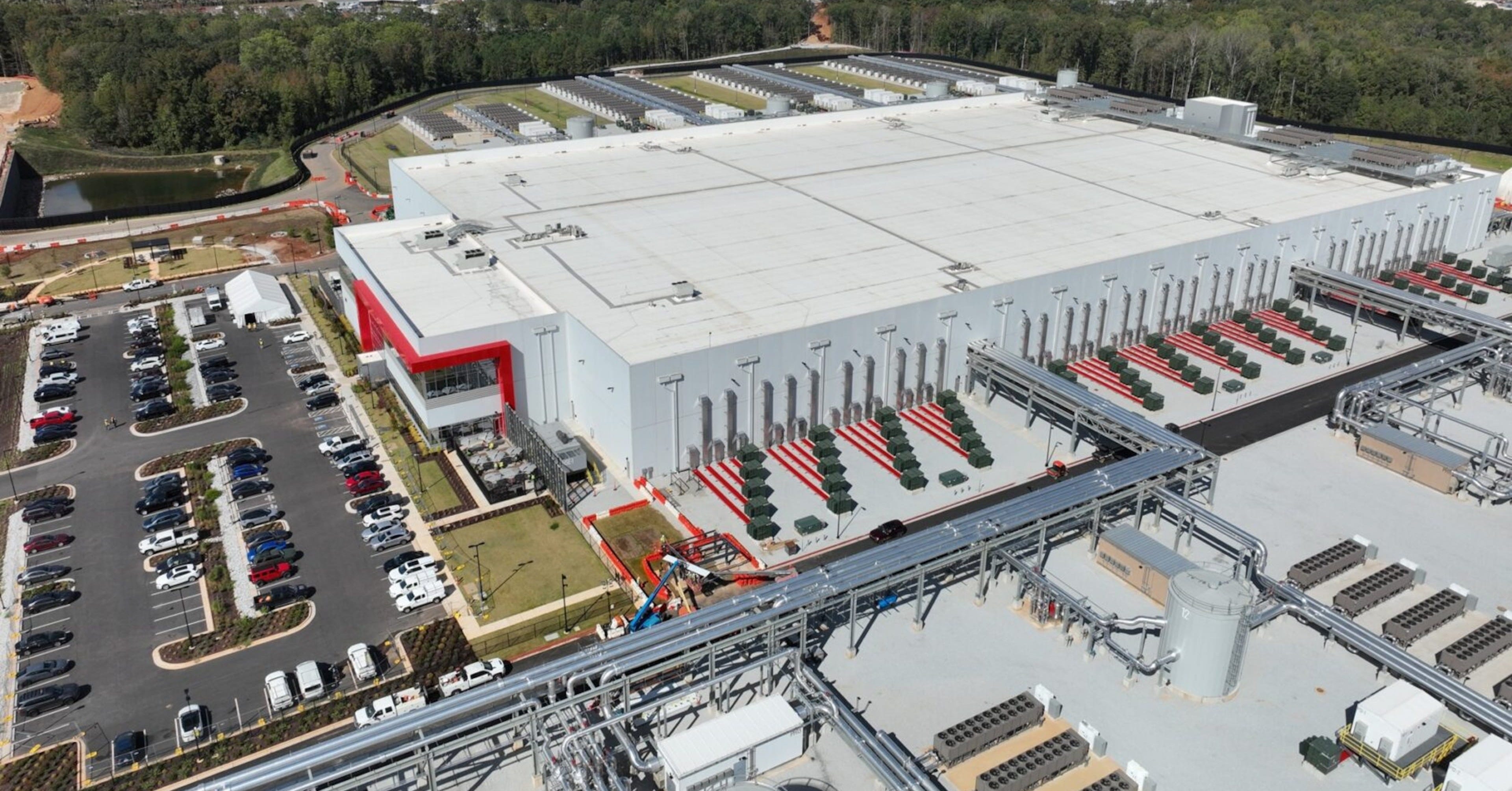
As data center development spreads across Georgia, local residents are increasingly challenging projects they believe could place new demands on water systems, infrastructure, and rural communities.
The latest flashpoint emerged in South Georgia, where a coalition highlighted by WALB says residents in Lowndes and Irwin counties have voiced concerns about water consumption, noise pollution, and whether promised economic benefits will materialize at the scale often promoted by developers.
The dispute comes as Georgia continues to position itself as a major destination for data centers supporting artificial intelligence, cloud computing, and digital infrastructure. State economic development leaders have promoted the industry as a source of investment and tax revenue.
But opposition has grown alongside expansion.
Across the country, communities have increasingly challenged data center proposals, arguing that the facilities can consume large amounts of water and electricity while creating relatively few permanent jobs compared with their footprint. National reporting has documented organized resistance in multiple states, with residents questioning environmental impacts, transparency, and long-term costs.
Subscribe free for daily political analysis they won’t broadcast. Join 110K+ readers →
In Georgia, concerns intensified after controversy surrounding a major Fayette County data center project that was found to have used approximately 29 million gallons of water during construction before billing issues were fully identified. The episode fueled public debate about oversight, resource management, and accountability.
Supporters of data center growth argue the projects generate tax revenue, infrastructure investment, and construction employment. Critics counter that communities deserve stronger protections and clearer answers before approving additional facilities.
As AI demand accelerates, the conflict increasingly centers on a broader question facing Georgia and many other states: who benefits from digital infrastructure expansion, and who bears the costs.
Subscribe free for daily political analysis they won’t broadcast. Join 110K+ readers →