


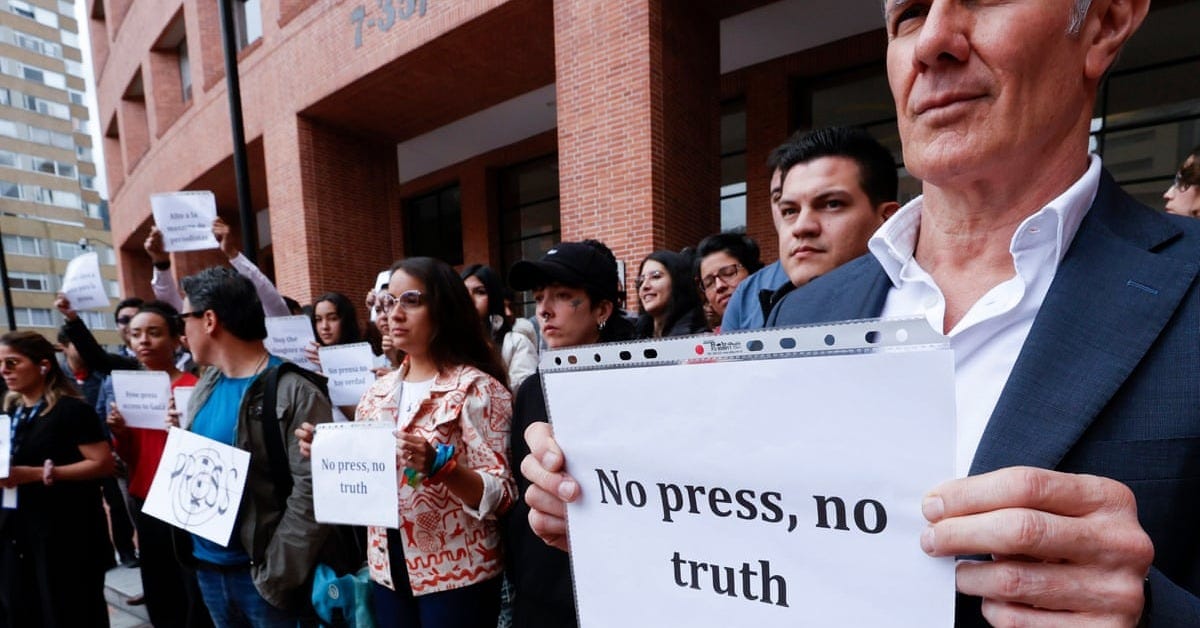
Global press freedom has dropped to its lowest level in 25 years, according to a new report from Reporters Without Borders (RSF), with the findings drawing widespread attention across international media and policy circles.
The organization’s World Press Freedom Index, which evaluates conditions in 180 countries, identifies increasing government pressure as a central driver of the decline. RSF points to political interference, legal restrictions, and economic instability as key factors limiting the ability of journalists to operate independently.
The report’s release has been widely covered across major news outlets, reinforcing a growing consensus that control over information is becoming a central tool of governance in many regions. That framing reflects broader concern among media analysts and institutions about the global direction of press freedom.
Subscribe free for daily political analysis they won’t broadcast. Join 110K+ readers →
Economic pressure is also a major factor. As traditional media business models weaken, news organizations face greater vulnerability to political influence, ownership concentration, or funding pressures that can shape editorial decisions.
The timing of the report adds to its significance. With elections, geopolitical conflicts, and policy debates intensifying worldwide, access to independent reporting plays a critical role in shaping public understanding. Limitations on press freedom can increase the risk of misinformation, reduce transparency, and weaken accountability mechanisms.
For U.S. audiences, the findings highlight a broader systemic issue: the stability of information ecosystems. While the report focuses on global trends, the underlying pressures—economic strain, political influence, and trust erosion—are also part of ongoing debates about media independence in the United States.