


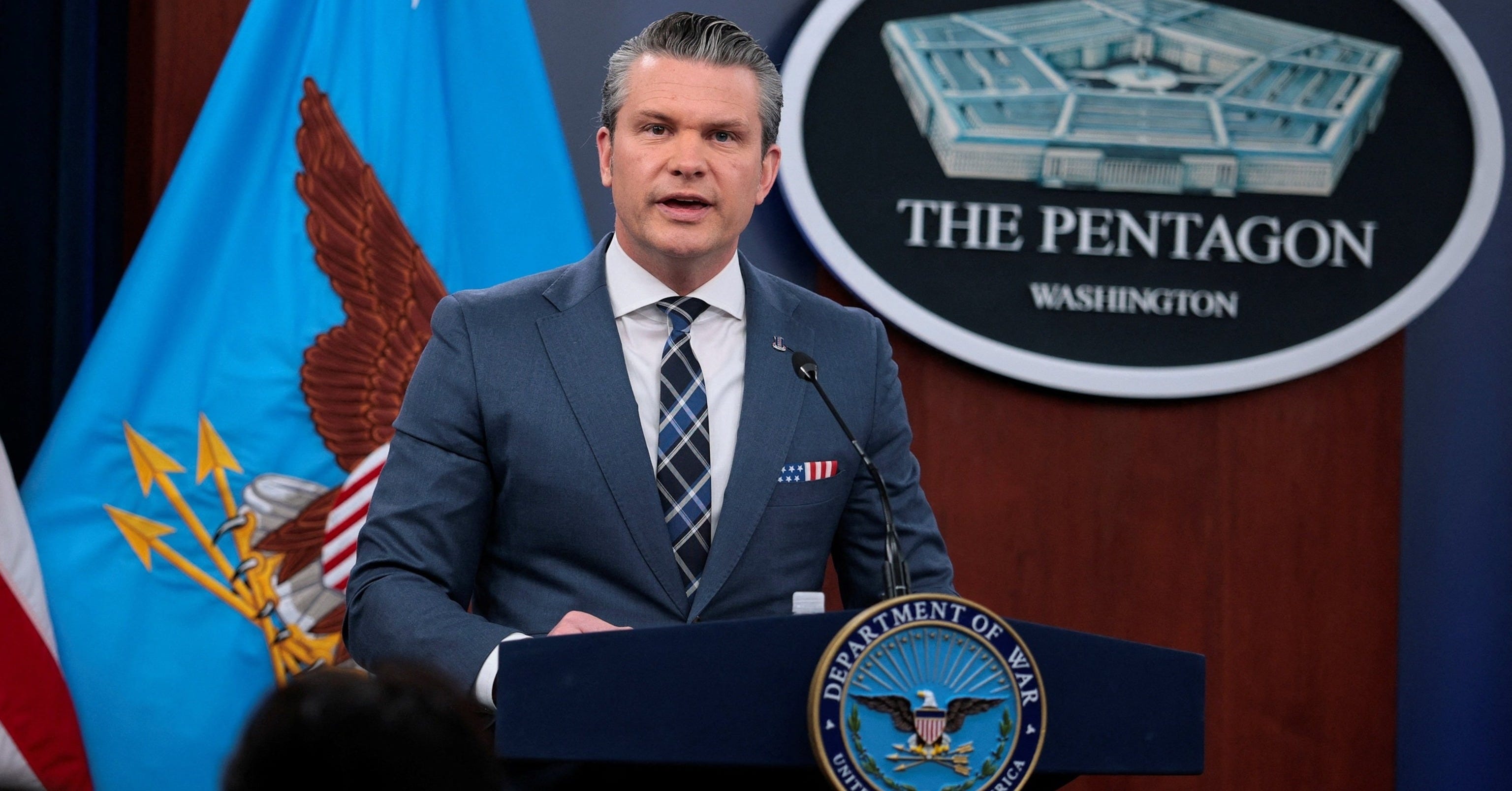
Defense Secretary Pete Hegseth’s testimony before House lawmakers put military spending and the Iran conflict into the same political fight.
At issue is a proposed $1.5 trillion Pentagon budget, which the administration has framed as necessary for readiness while critics question whether war is expanding the defense baseline.
Lawmakers pushed on costs tied to Iran, weapons stockpiles and whether wartime pressures are being used to justify sustained budget escalation.
According to reporting, Hegseth argued larger defense outlays support deterrence while strengthening the industrial base, a case increasingly tied to shipbuilding, missile defense and munitions production.
But the fight is not only over this year’s spending.
Subscribe free for daily political analysis they won’t broadcast. Join 110K+ readers →
Questions remain whether emergency war appropriations could become embedded in future Pentagon budgets, especially as Congress weighs broader deficit pressures.
“The budget is about readiness and rebuilding strength,” Hegseth told lawmakers, according to coverage of the hearing.
That matters because military spending debates often reach far beyond defense policy, influencing industrial subsidies, debt fights and federal priorities.
The broader pattern is familiar: conflict raises immediate demands, then lawmakers debate whether those costs become permanent commitments.
With scrutiny growing over Iran operations and Pentagon strategy, this hearing may be less about one budget request than about how Congress defines military spending in a prolonged conflict era.
What happens next centers on appropriators, supplemental war funding possibilities and whether resistance grows around using Iran as a rationale for sustained Pentagon expansion.
The budget fight is only starting.