


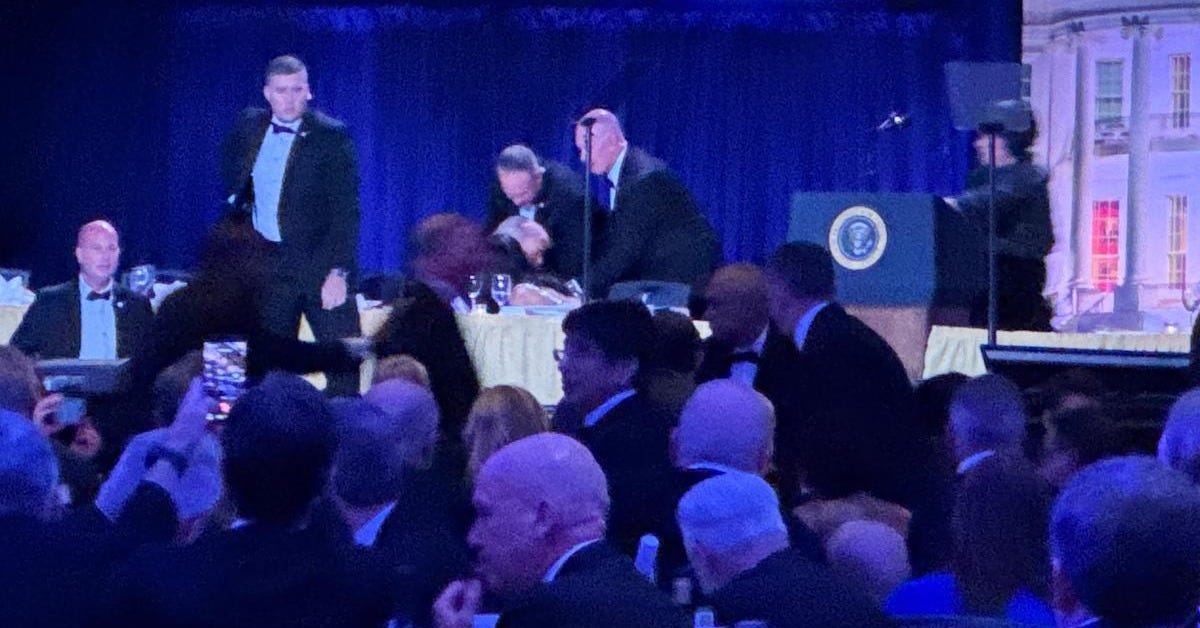
Assassination attempts have often changed presidencies in ways few expect, and not always by weakening the target.
According to historical accounts and political research, attacks on sitting presidents have often produced a mix of sympathy, political hardening and deeper isolation from the public. Ronald Reagan’s 1981 shooting is often cited as a moment that strengthened public support, while security changes reshaped presidential access for decades.
Subscribe free for daily political analysis they won’t broadcast. Join 110K+ readers →
That tension sits at the center of the debate now. What looks like political trauma can sometimes become political reinforcement.
Researchers examining recent violence have also found assassination attempts may shift voter attitudes, increase perceived legitimacy for the target, and sharpen partisan conflict at the same time.
The unresolved question is whether such events protect presidents politically or isolate them so much they compound existing problems.
That uncertainty is what keeps this story larger than history.
Download a FREE Pocket Constitution NOW →
