


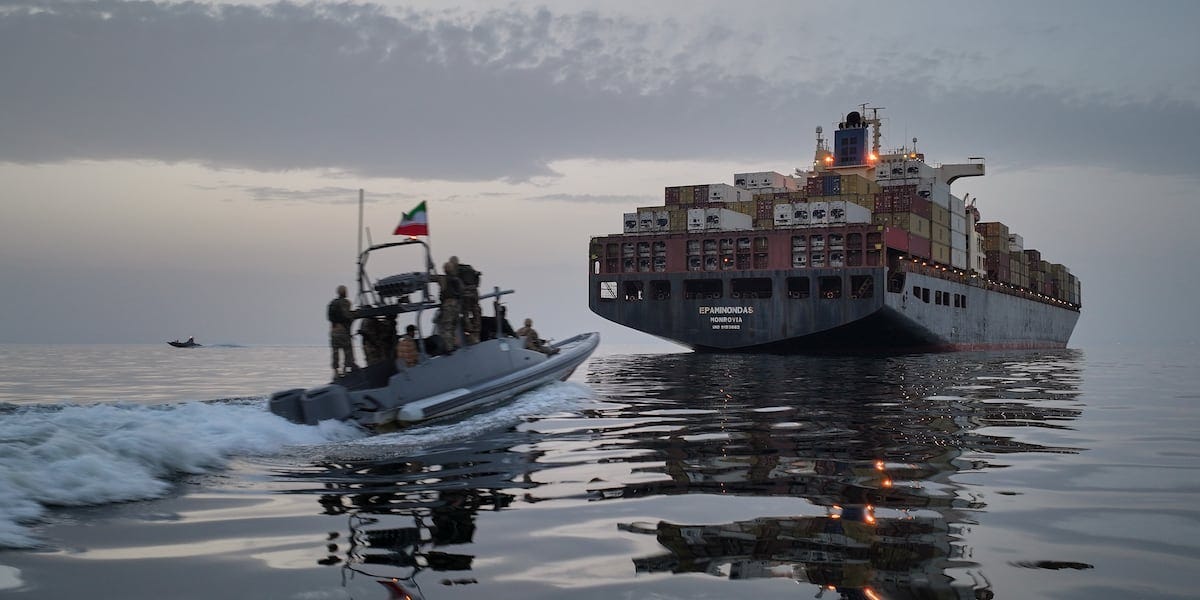
The escalating U.S.-Iran standoff in the Strait of Hormuz is creating growing pressure on both countries as shipping congestion, energy disruption, and economic strain intensify across global markets.
According to reporting tied to leaked U.S. intelligence assessments, Iran may only be able to sustain the current level of economic pressure for several months before facing deeper financial hardship. At the same time, the United States and global allies are dealing with rising shipping costs, military deployment burdens, and energy market instability.
More than 1,500 vessels remain affected by congestion or delays linked to the crisis, underscoring the strategic importance of the Strait of Hormuz, one of the world’s most important oil transit routes.
Subscribe free for daily political analysis they won’t broadcast. Join 110K+ readers →
The standoff has already contributed to volatility in oil prices and maritime insurance costs, while diplomatic efforts continue behind the scenes to reduce escalation risks and reopen more stable commercial traffic through the Gulf.
Analysts say both Tehran and Washington are increasingly constrained by the economic and geopolitical costs of a prolonged confrontation.
Subscribe free for daily political analysis they won’t broadcast. Join 110K+ readers →