


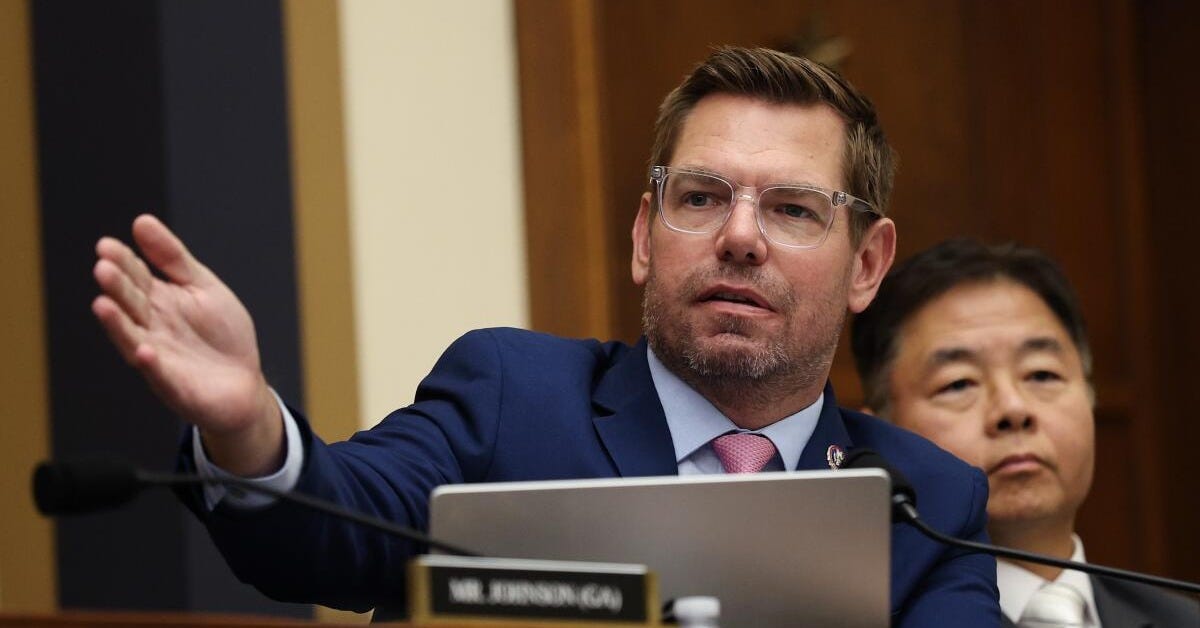
Democrats in the U.S. House are moving to strip qualified immunity protections from Immigration and Customs Enforcement agents, a plan unveiled Friday by Reps. Eric Swalwell (D-Calif.) and Dan Goldman (D-N.Y.) that has thrust federal immigration enforcement back into the national accountability debate. The announcement confirms growing frustration over enforcement tactics highlighted by recent deadly encounters and legal immunity standards that many lawmakers call outdated.
The proposed legislation, discussed publicly on Friday and flagged by The Hill, would change how qualified immunity applies to ICE officers, limiting their legal defenses when actions exceed their duties while on assignment. Critics argue current standards make civil suits and prosecutions nearly impossible unless an officer’s conduct clearly violates established law.
According to the lawmakers’ statements, the bill would specifically target ICE’s qualified immunity, introducing an objective test for wrongdoing rather than allowing subjective “good faith” defenses. Supporters framed it as a necessary step to ensure accountability after high-profile incidents including the Minneapolis shooting death of Renee Nicole Good by an ICE agent, which has fueled calls for reform.
The effort arrives amid intense national debate: conservative outlets note the Republican-controlled House makes passage uncertain, while Democrats view it as an overdue check on federal enforcement power.
Follow The Coffman Chronicle on NewsBreak for daily breaking political coverage.
“As long as federal agents can act with broad legal shields, accountability for communities harmed remains out of reach,” Swalwell’s team said in comments posted online.
The proposal matters because qualified immunity has long been criticized across the political spectrum as a barrier to redress for constitutional harms, yet efforts to rein it in have historically faced steep hurdles. This measure would mark one of the first targeted moves at a single enforcement agency’s civil liability protections.
Next steps include formal introduction of the bill text and assignment to relevant House committees, where lawmakers will debate its scope, enforcement standards, and potential impact on ICE operations. The wider legislative calendar and partisan dynamics will determine whether it advances further.
The broader question of federal law enforcement immunity remains unresolved as this debate unfolds.
Follow The Coffman Chronicle on NewsBreak for daily breaking political coverage.