


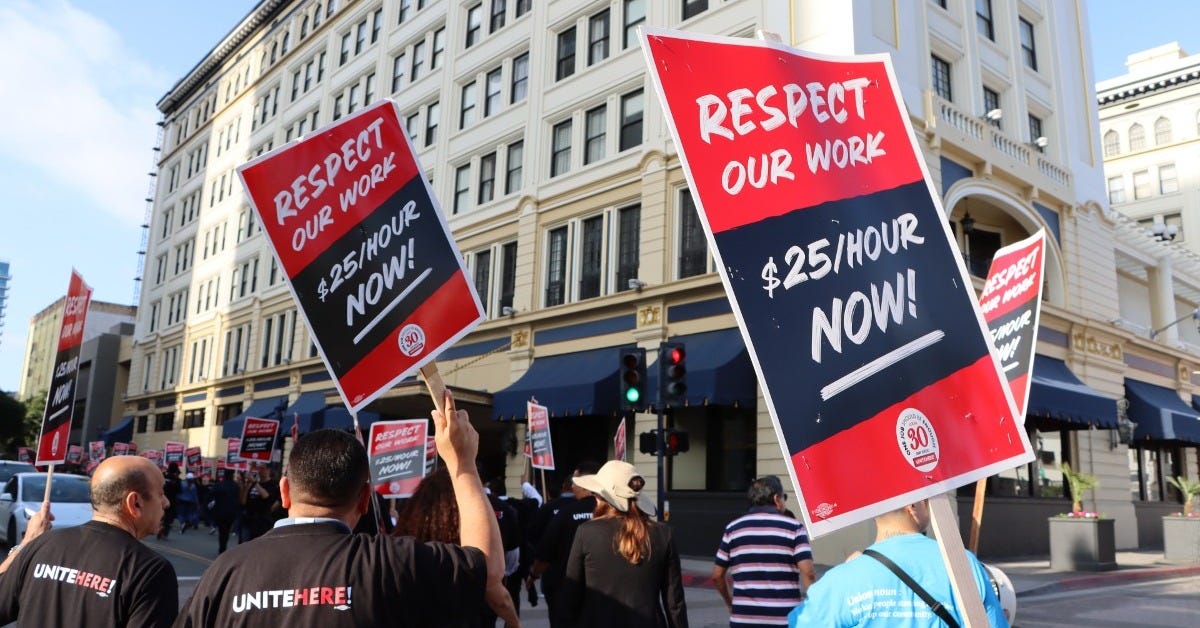
House Democrats have opened a new economic fight with a proposal to raise the federal minimum wage to $25 an hour, a move that could reshape the wage debate even if the bill stalls.
The proposal immediately raises stakes beyond labor policy.
Supporters say the measure responds to a federal wage floor frozen at $7.25 since 2009 and argue higher pay could lift millions of workers while driving spending. Reporting on the bill says the increase would be phased in over years while eliminating lower wage carveouts.
But the bill also opens a sharper economic conflict.
Opponents are expected to frame it as inflationary, harmful to small business margins, and a catalyst for automation, while supporters argue those warnings have often been overstated and ignore purchasing power gains.
Subscribe free for daily political analysis they won’t broadcast. Join 110K+ readers →
“This bill would transform millions of lives,” Rep. Analilia Mejia said in remarks tied to the rollout.
Why it matters extends beyond wages.
If the proposal gains traction, it could pressure Democrats left on cost-of-living politics, force Republicans into a sharper response on worker pay, and inject minimum wage politics into debates over inflation, recession risk and labor shortages.
Economically, a serious push toward $25 could raise questions about regional wage disparities, price pass-through, and whether aggressive wage floors accelerate productivity investment or business strain.
Politically, the proposal may matter even if it never reaches a floor vote.
What happens next is whether progressive Democrats turn this into a campaign issue, whether business groups mobilize opposition, and whether the bill shifts the center of gravity in the 2026 economic debate.
The legislative odds may be long, but the political fight may only be starting.
Download a FREE Pocket Constitution NOW →
