


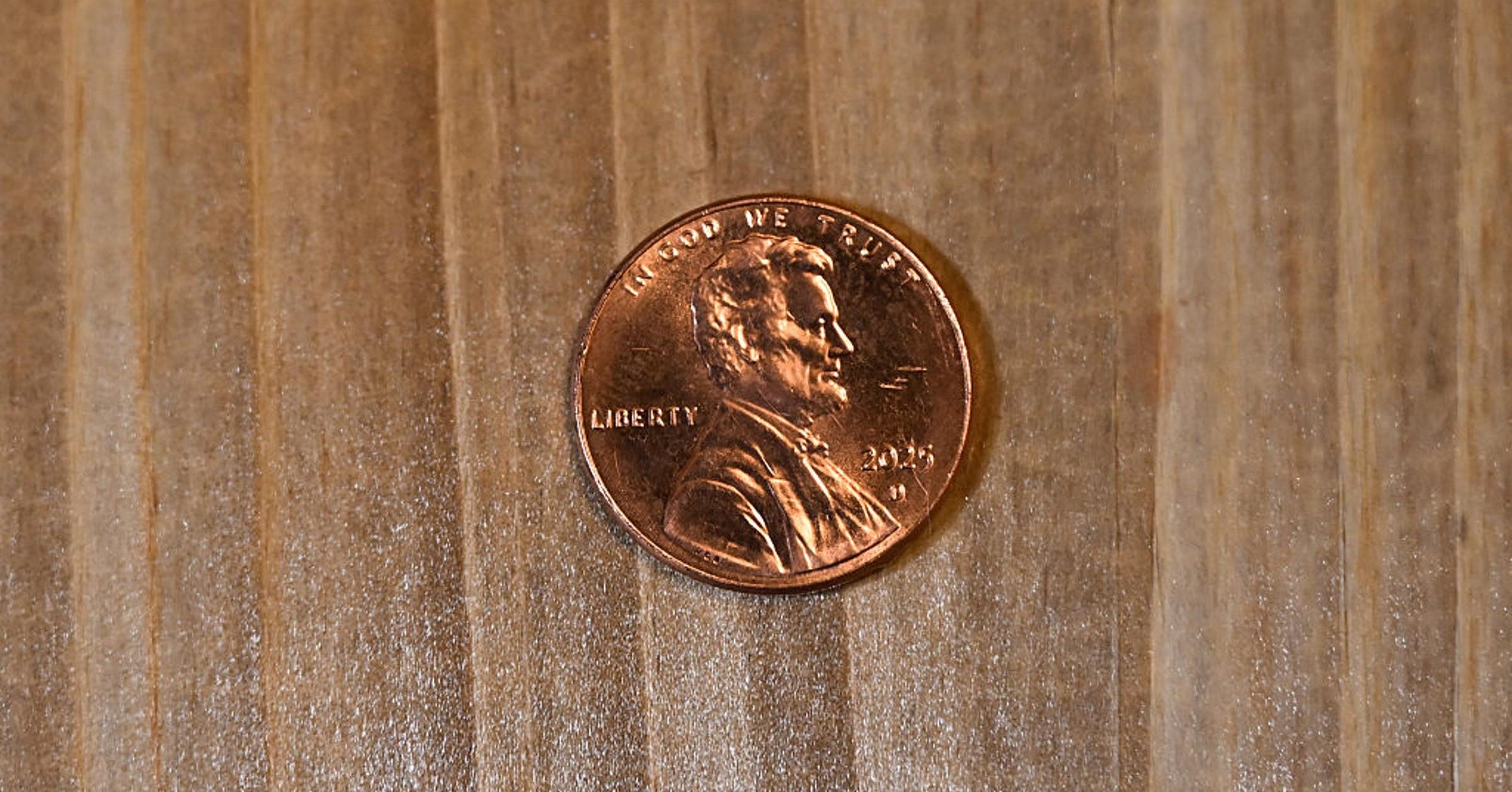
The House has passed legislation aimed at ending confusion over cash payments after the U.S. stopped making pennies.
The Common Cents Act, H.R. 3074, would direct the Treasury secretary to stop minting the penny and permit cash transactions to be rounded up or down to the nearest five cents. The House passed the bill on July 14, and it now heads to the Senate.
The practical effect would be felt at checkout counters. Purchases paid by card, app or other electronic method would not need rounding. Cash transactions, however, could be rounded when pennies are not available.
The issue became more urgent after penny production ended and retailers began reporting shortages. Reuters reported that some stores urged customers to use exact change or switch to cashless payments, while others rounded transactions to avoid shortchanging customers or violating state rules.
Subscribe free for daily political analysis they won’t broadcast. Join 110K+ readers →
Supporters frame the bill as a cost-saving and clarity measure. Treasury says the penny’s production cost rose to 3.69 cents, and the U.S. Mint projects $56 million in immediate annual material savings from stopping production.
The consumer concern is smaller but more personal. CBS reported that some Americans have posted receipts online after noticing rounding adjustments. Reddit discussions around state rounding bills show similar questions about whether rounding is fair and whether the change will push more people away from cash.
The consequence is straightforward. Congress is trying to replace a patchwork of store-by-store and state-by-state rounding practices with a national rule.
Until the Senate acts, the penny remains legal tender and businesses remain stuck navigating a shrinking supply of coins.
Subscribe free for daily political analysis they won’t broadcast. Join 110K+ readers →